Grey Friars — History & Facts
Could beauty survive in a century of chaos? The question lingers like a whispered secret, inviting us to explore the fragile boundaries between reality and illusion. Look closely at the sweeping landscape, particularly the powerful contrast between the deep, verdant greens and the desaturated grays that define the sky. Notice how the delicate brushstrokes create an ethereal quality, as if the hills themselves breathe under a misty veil. The composition draws your eye towards the horizon, where the light fades, beckoning you into an ambiguous space where nature and imagination converge. Within this painting lies a subtle tension between the lushness of nature and the encroaching gloom of the overcast sky.
The ethereal glow illuminating the foreground hints at a fleeting moment of clarity, a temporary retreat from the chaos that defines the world beyond the canvas. Each stroke embodies a dialogue between light and shadow, evoking a sense of longing for beauty amidst an unsettling reality. The illusion of depth invites contemplation, challenging the viewer to confront their own perceptions of tranquility and turmoil. The artist worked on this piece during a time when the world was grappling with the aftermath of rapid industrialization and conflict.
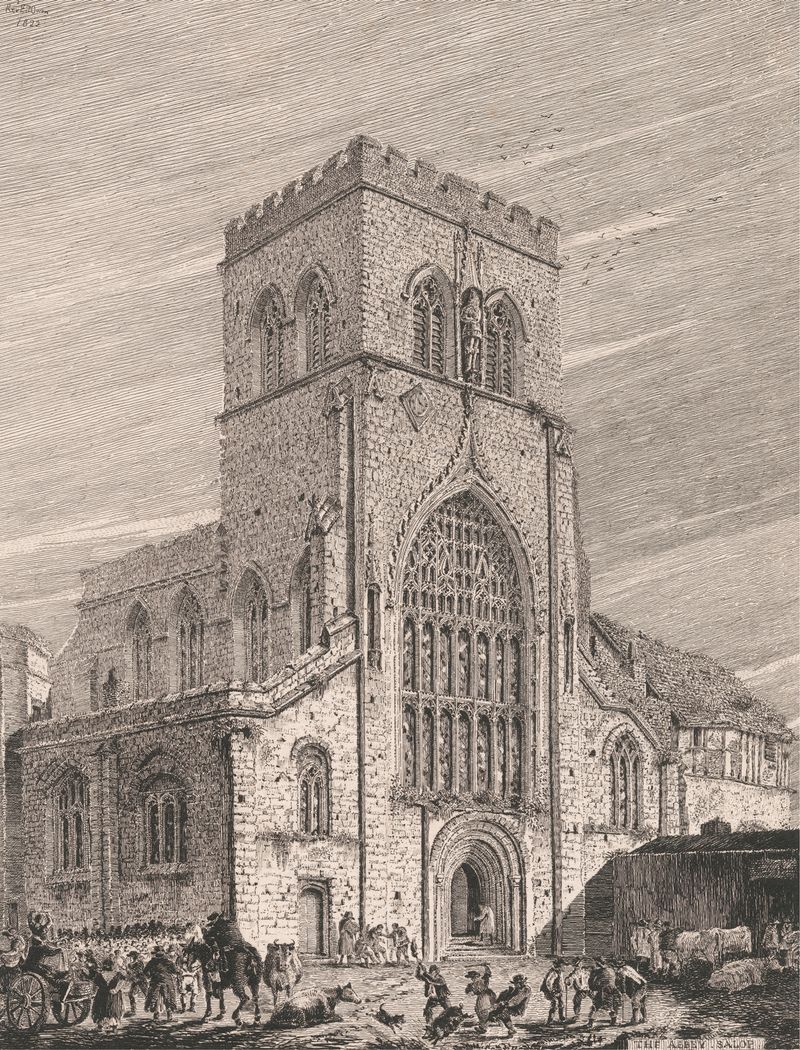
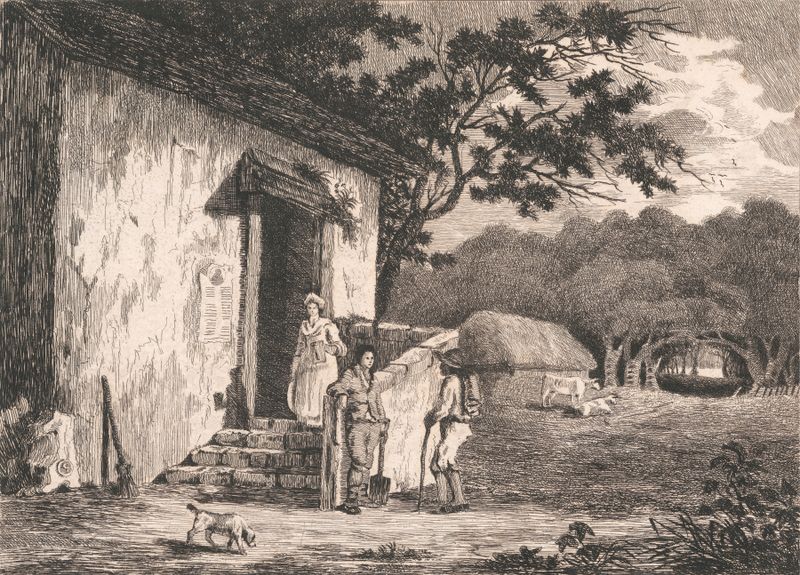
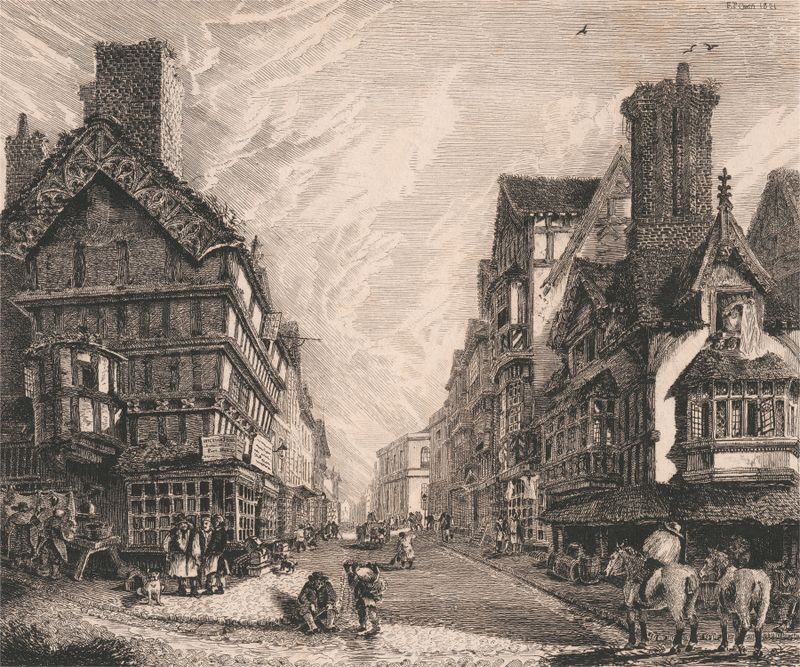
In the late 19th century, Edward Pryce Owen created Grey Friars, reflecting not only the changing landscape of his own environment but also the broader existential questions faced by society. Straddling the line between the romantic and the real, his work encapsulates a pivotal moment in the evolution of art, where beauty and chaos became inseparable companions.