High Street, Shrewsbury — History & Facts
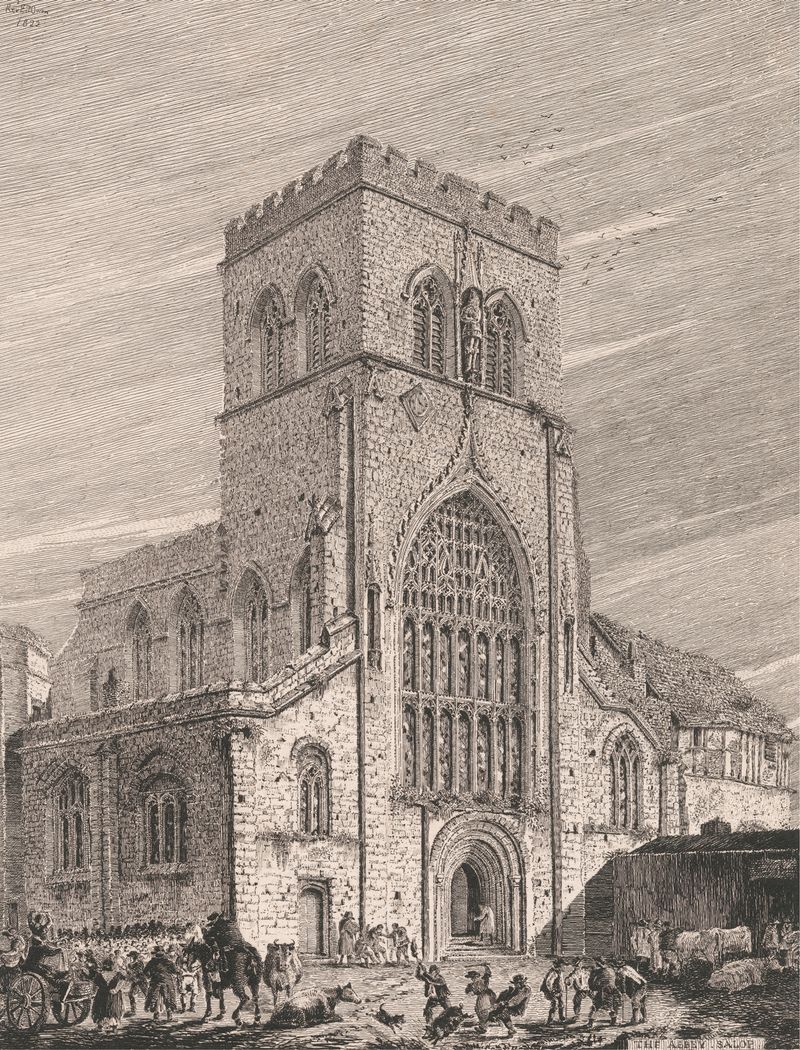
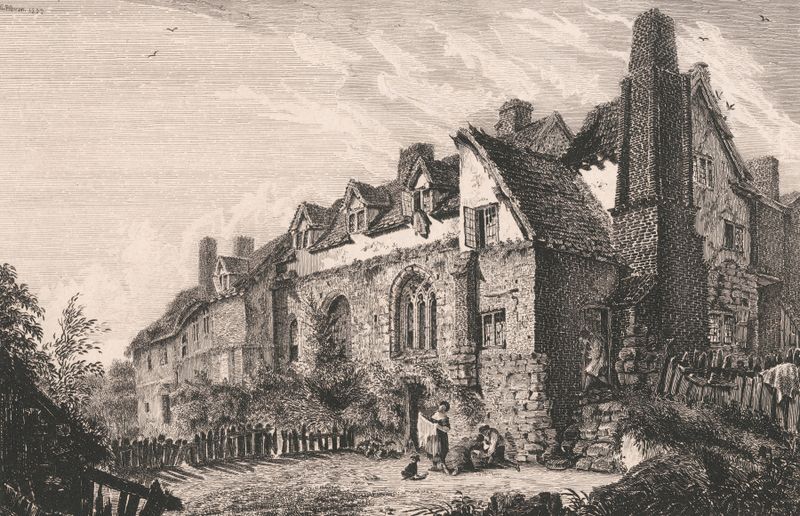
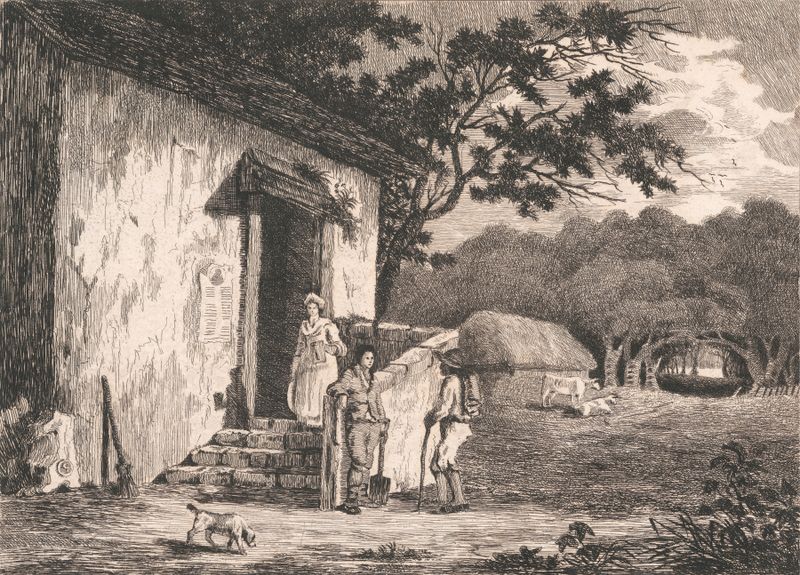
Did the painter know this moment would outlive them? In the hushed calm of High Street, Shrewsbury, life pauses, captured in a delicate balance between the mundane and the profound—a testament to time's relentless march. Look to the right at the elegantly draped awnings, a gentle wave of fabric swaying under the weight of unspoken secrets. Notice how the light falls upon cobblestones, illuminating the radiant hues of the buildings while casting shadows that whisper of forgotten betrayals. The soft pastel palette invites viewers to wander, while the careful arrangement of figures draws us into a narrative suspended in time. Hidden within the bustling street, the emotional tension is palpable; the faces of passersby reveal stories of longing, loss, and perhaps unspoken betrayal.
A child playing innocently contrasts starkly with an elderly figure, whose gaze seems clouded by memories, hinting at the heavy weight of experience. These nuanced details combine to create a rich tapestry of life, reflecting the complexities of human connections that extend beyond the canvas. Edward Pryce Owen created High Street, Shrewsbury during a period marked by significant shifts in both his personal life and the art world. While the exact year remains unknown, it is clear that during this time, the artist was deeply engaged in capturing the essence of everyday life, influenced by the burgeoning realism movement that sought to illuminate the ordinary and the extraordinary in equal measure.