
Grotto in the Boboli Gardens — History & Facts
A gentle breeze rustles through the leaves, carrying whispers of secrets held within the stone walls of the grotto. Sunlight filters through the branches, splashing dappled shadows on the mossy ground where small creatures scurry, unbothered by time. The air is thick with the scent of damp earth and blooming flowers, a serene, hidden oasis alive with the quiet hum of nature's rhythm.
Here, in this harmonious retreat, a sense of peace intertwines with the weight of history, inviting all who enter to pause and reflect. Look to the intricate facade of the grotto, where delicate shells and pebbles are arranged with meticulous care. Notice how the light dances across the cool stones, highlighting the textures that evoke both nature's artistry and human craftsmanship. The earthy palette, rich in greens and browns, creates a sense of grounding, while the whimsical forms of the decorations echo the playful spirit of the gardens beyond.
Each detail beckons the viewer to explore deeper, revealing layers of both natural beauty and artistic intention. In this tranquil scene, contrasts abound—between light and shadow, open space and hidden corners. The grotto serves as a reminder of the duality of nature: its ability to shelter and conceal, while simultaneously offering a glimpse into its magnificence. The interplay between the organic shapes and the calculated arrangement of materials reflects a deep reverence for both art and the natural world, inviting contemplation on the fragility of beauty and the passage of time. This work emerged in the late 18th century, a time when the Boboli Gardens were a focal point of artistic and architectural innovation in Florence.
The artist, whose identity remains unknown, contributed to a growing appreciation for landscape design that incorporated natural elements into human-made spaces. The grotto stands as a testament to the era's fascination with creating retreats that harmonize with nature, serving as a reflection of the Enlightenment's ideals and the cultural currents of its time.
More Artworks by Unknown Artist
Browse all →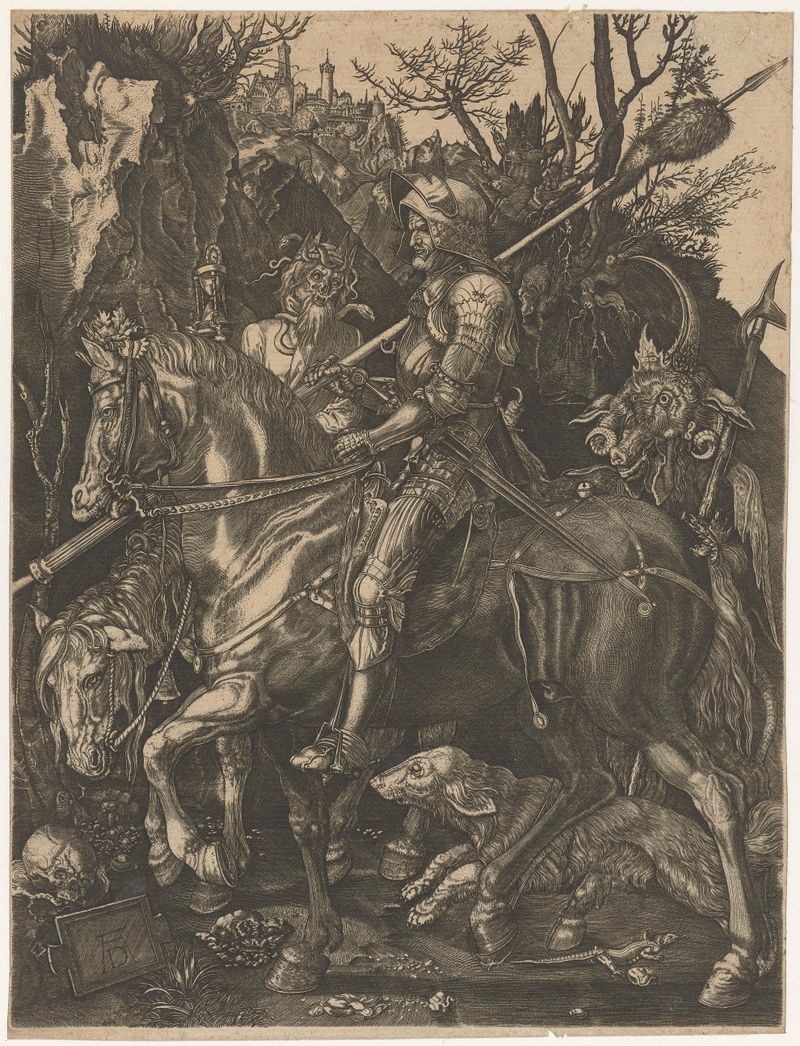
Ridder, Dood en Duivel
Unknown Artist
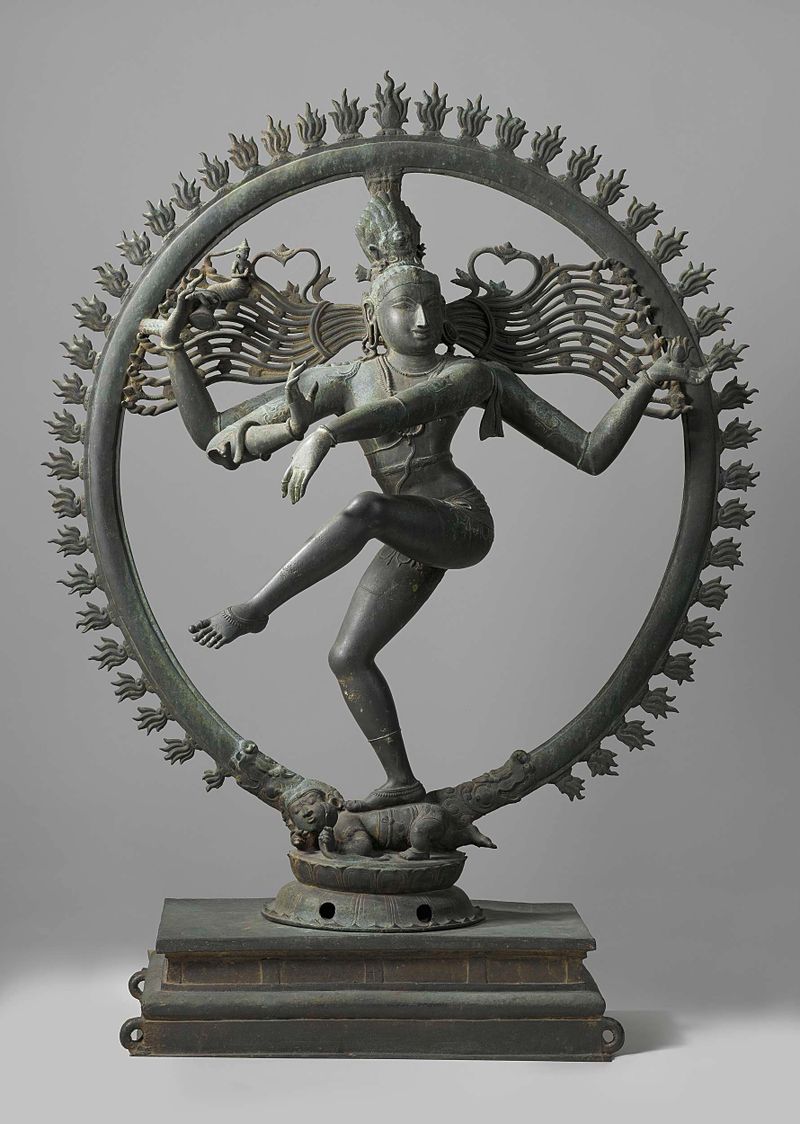
Shiva Nataraja
Unknown Artist
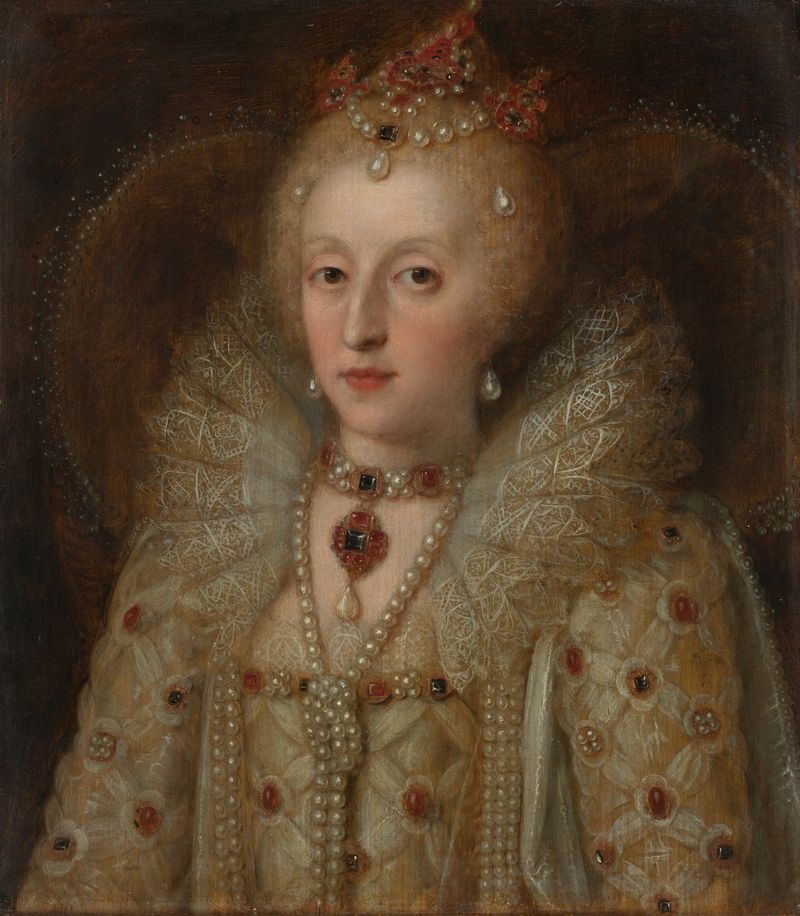
Portrait of Elizabeth I, Queen of England
Unknown Artist
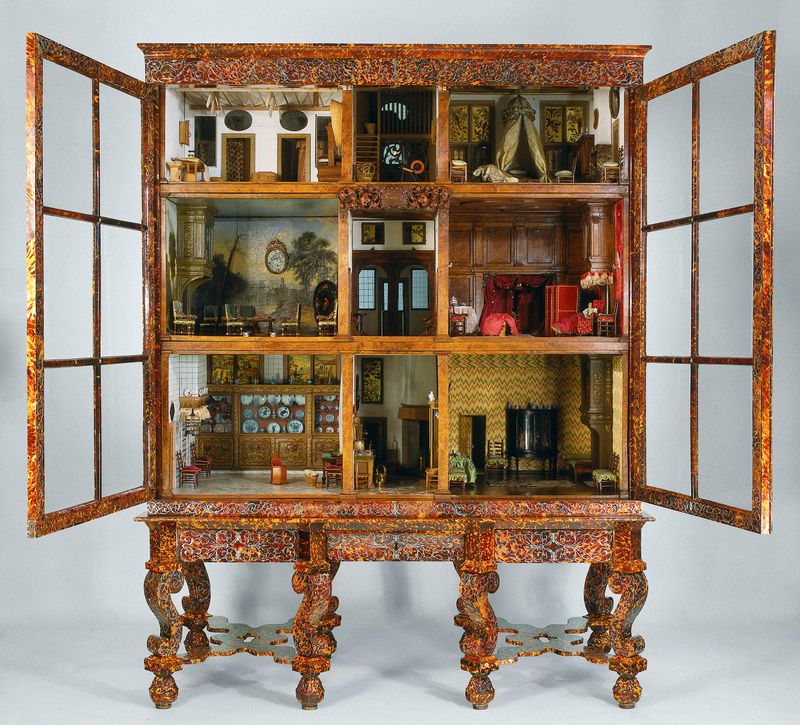
Dolls’ house of Petronella Oortman
Unknown Artist
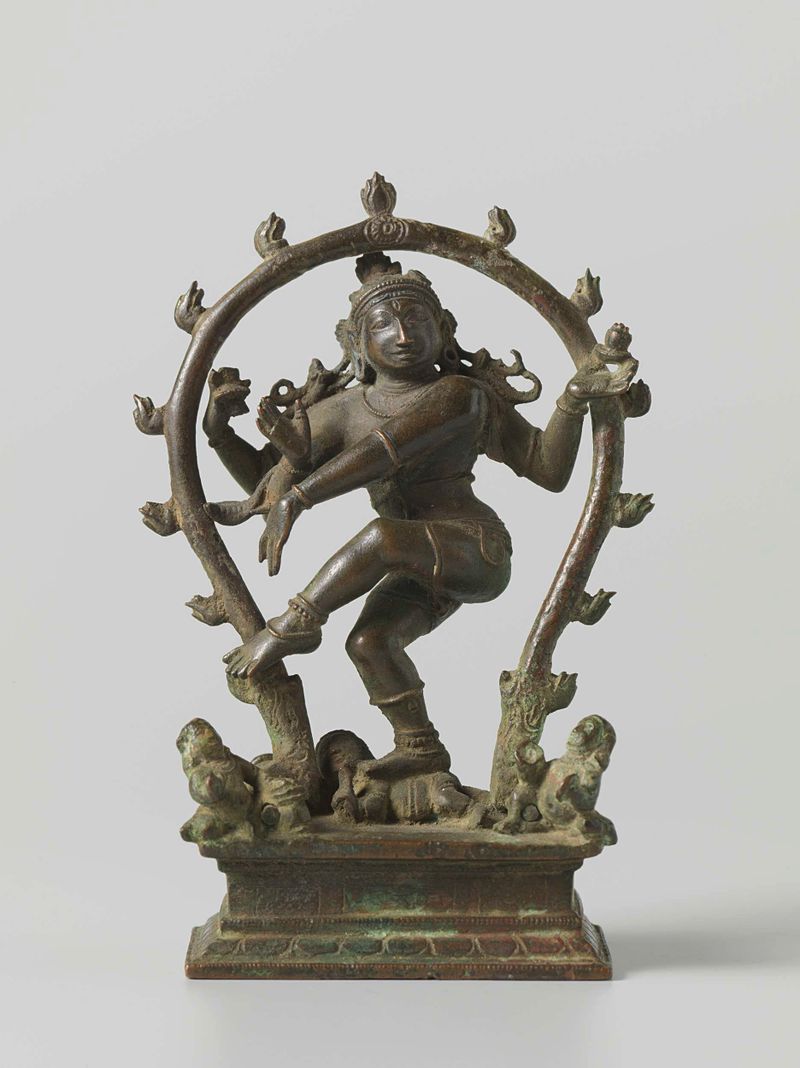
Shiva Nataraja
Unknown Artist

The Tale of Genji
Unknown Artist

The Tale of Genji
Unknown Artist
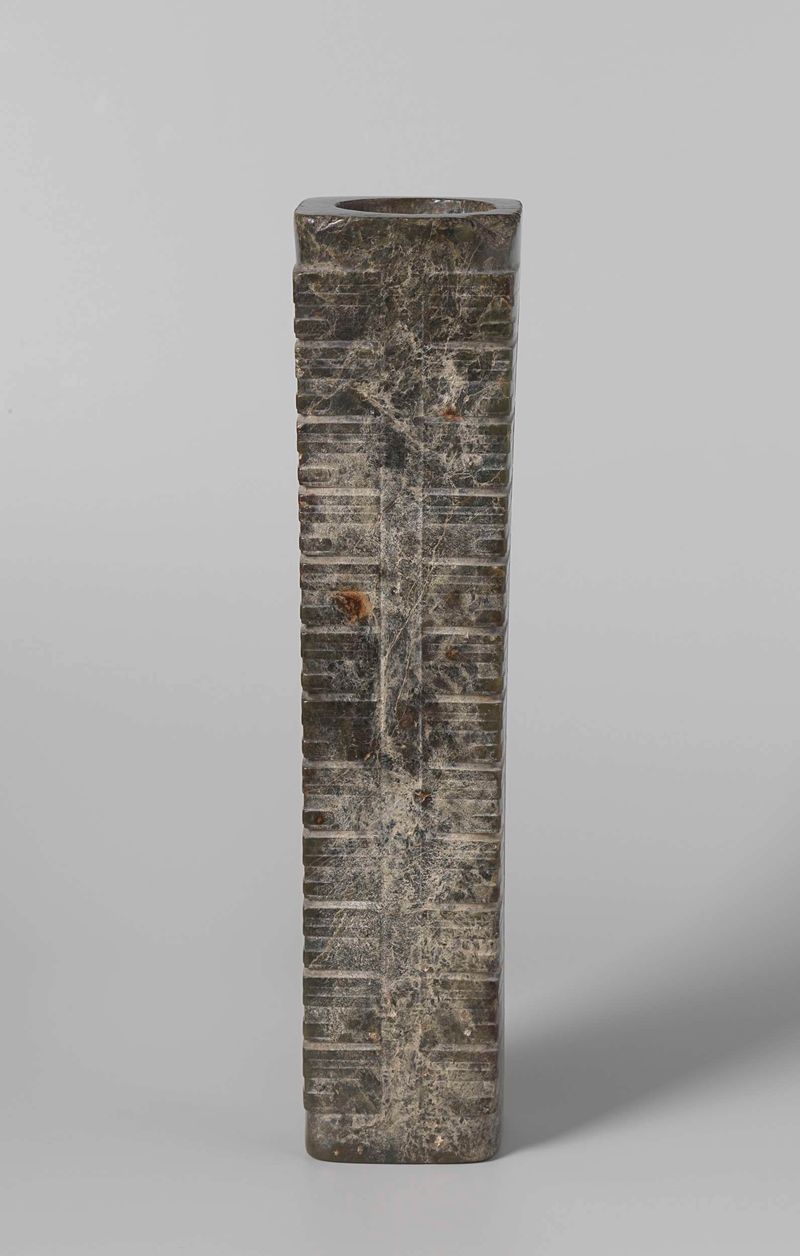
Cong
Unknown Artist
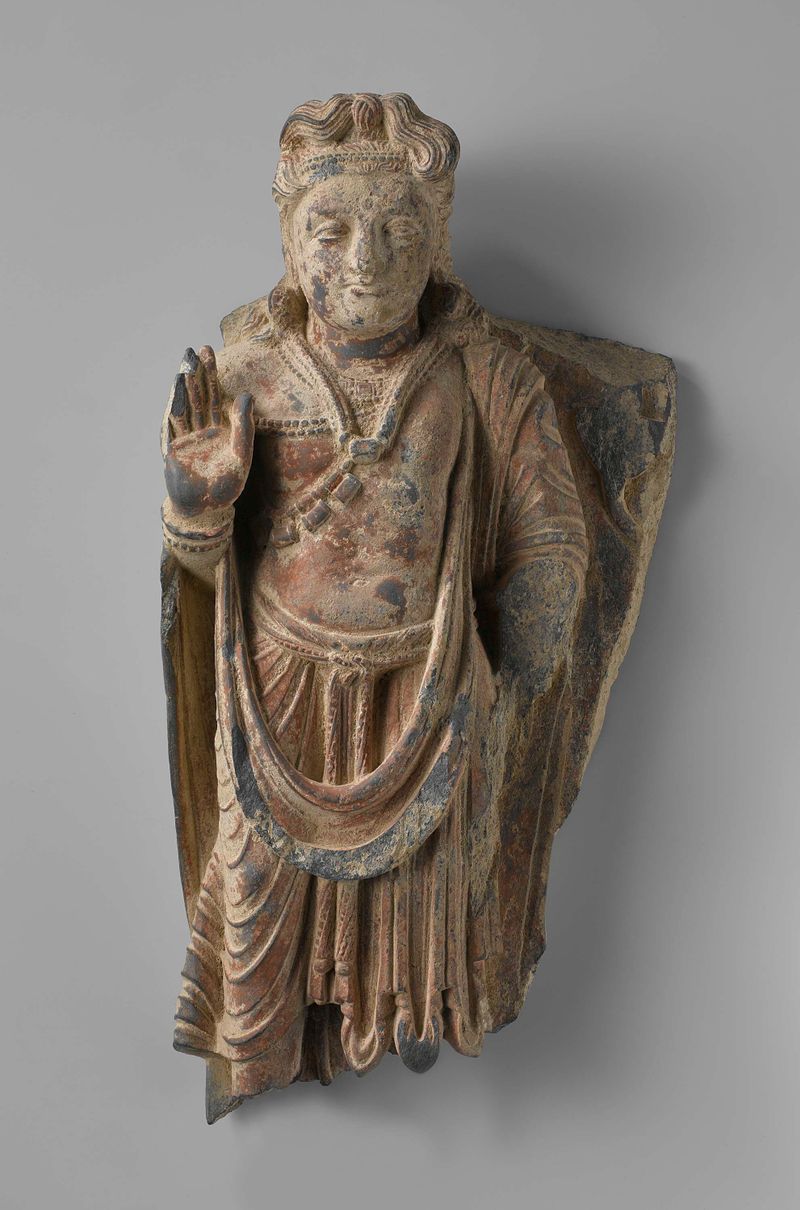
The bodhisattva Maitreya
Unknown Artist
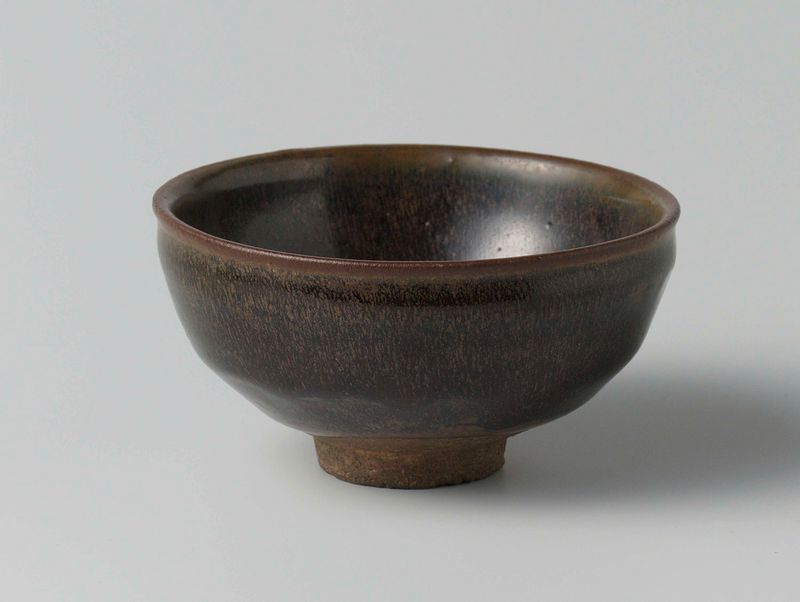
Teabowl with a 'hare's fur' glaze
Unknown Artist





