Guildhall, London; The Great Hall, Facing East — History & Facts
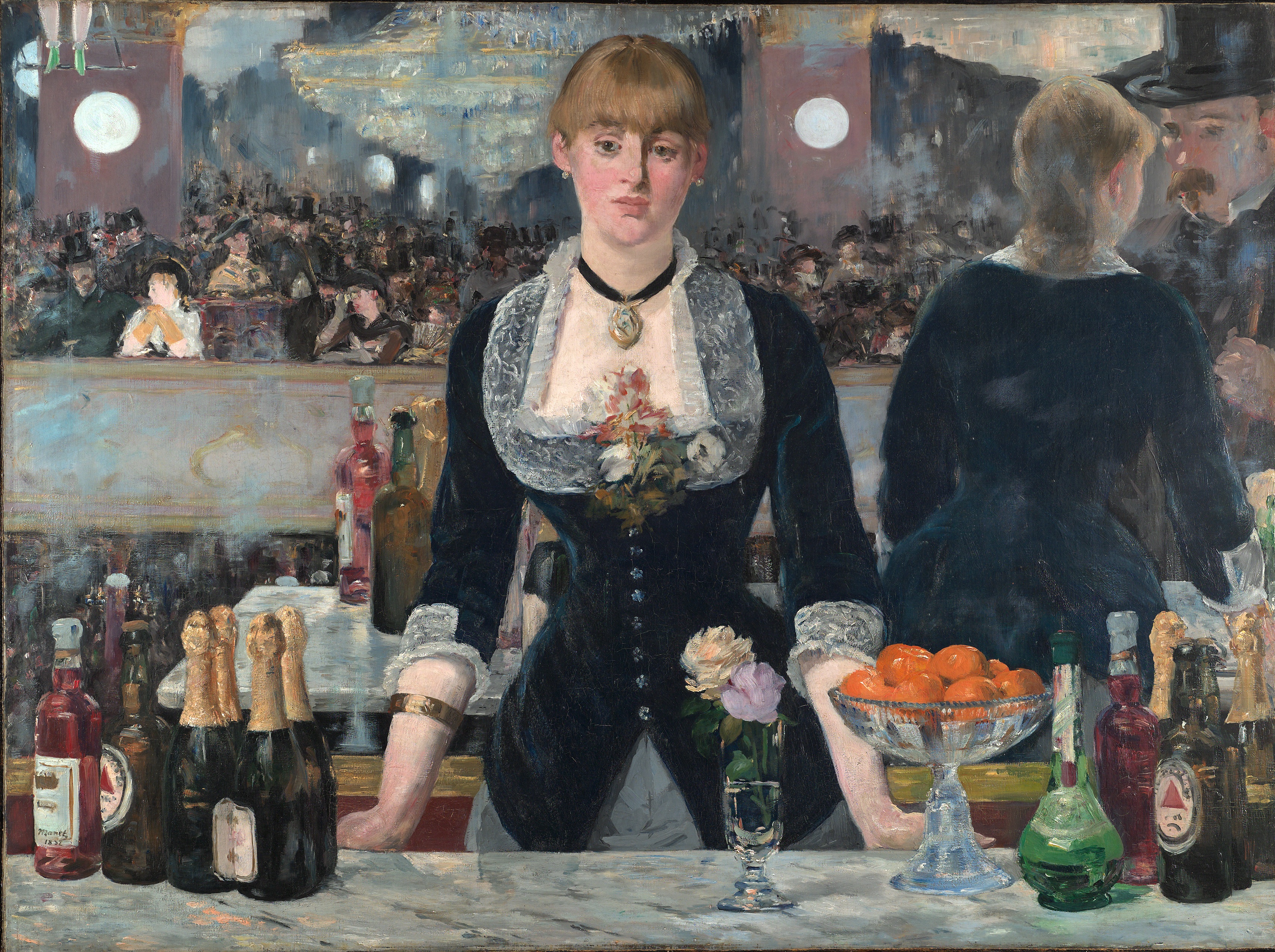
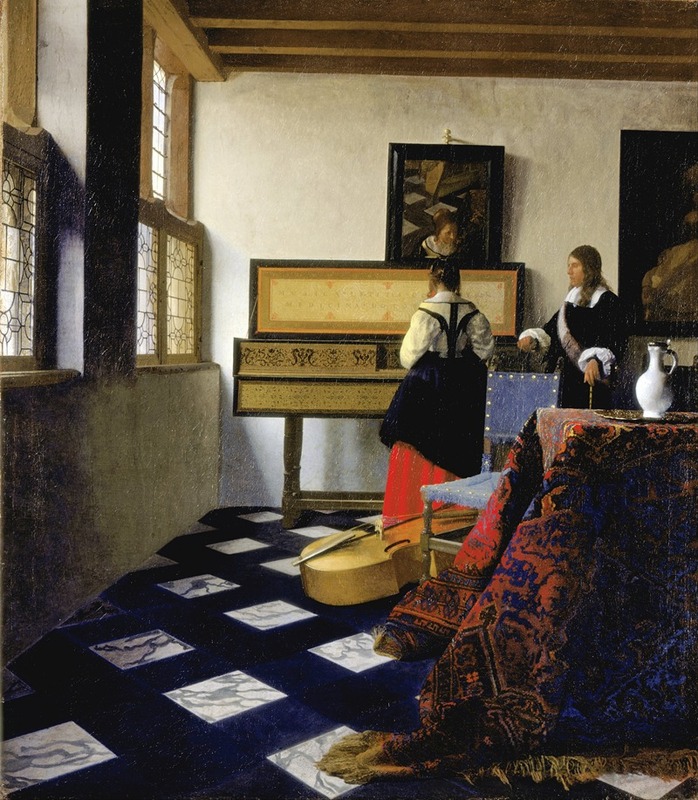
What secret hides in the quiet of the canvas? Amidst the grand architecture, a palpable sense of loss lingers, as if the walls themselves mourn the passage of time. Focus your gaze on the intricate details of the vaulted ceiling, where soft gray and warm golden hues converge in a delicate dance of light. Notice how the shadows cling to the corners, creating a somber contrast against the brightness of the central chandelier, illuminating the space with a ghostly glow. The composition draws your eye inward, inviting you to wander through the empty expanse of the Great Hall, where the absence of figures echoes louder than the grandeur of its design. Amidst the architectural brilliance, there lies a tension between the opulence of the setting and the solitude it embodies.
The absence of people suggests an unspoken grief, perhaps a reflection on the fading vibrancy of communal gatherings or the echoes of history long gone. Each column stands like a silent sentinel, guarding the secrets of those who once filled the hall with laughter and life, now replaced by an unsettling stillness. Sir Horace Jones painted this iconic scene in 1864, a time when he was deeply immersed in the architectural developments of Victorian London. As the City Architect, he was involved in significant urban projects, yet his rendering of the Guildhall captures a poignant stillness amidst the bustling world around him.
In this work, we see not only his architectural vision but also a glimpse into a society grappling with change and remembrance.