
Hafenstadt — History & Facts
Who listens when art speaks of silence? In Hafenstadt, a haunting stillness lingers, echoing the profound melancholy that permeates the canvas. Look closely at the harbor's edge, where the muted hues of twilight blend seamlessly with the dark waters. The soft, faded colors invite your gaze to wander over the boats gently swaying, their silhouettes softened by the gathering dusk. Notice how the artist employs delicate brush strokes to create a sense of shimmering light dancing upon the water's surface, hinting at a world that feels both alive and eerily quiet. As you explore the painting further, consider the contrasts that emerge.
The calmness of the water juxtaposes with the ghostly figures that seem to linger in the shadows, perhaps souls lost in thought or memories of a bustling past. The distant ships stand as silent witnesses to time's passage, embodying the weight of solitude and the fleeting nature of life. Each element conveys a deep sense of longing and reflection, inviting contemplation about what has been left unsaid. In 1880, Karl Kaufmann painted Hafenstadt during a period of artistic transition, where realism and impressionism began to intertwine.
Living in Germany, Kaufmann was influenced by the shifting artistic movements of his time, which sought to capture not just the visual but the emotional essence of a scene. This artwork reflects both his personal experiences and the societal changes around him, embodying a poignant moment in the evolution of 19th-century art.
More Artworks by Karl Kaufmann
Browse all →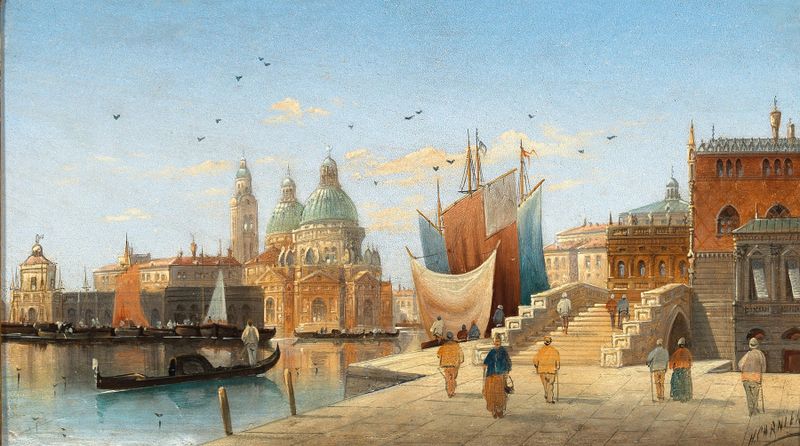
Venice, a View of Santa Maria della Salute
Karl Kaufmann
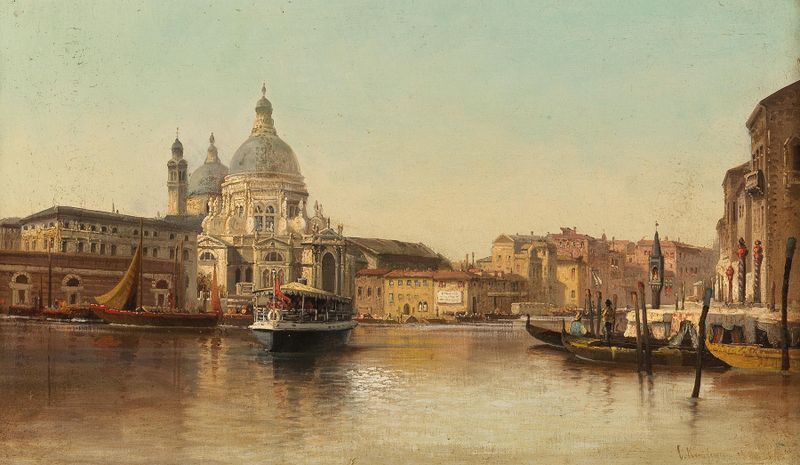
Venedig, Kanal Grande mit Blick auf Santa Maria della Salute
Karl Kaufmann
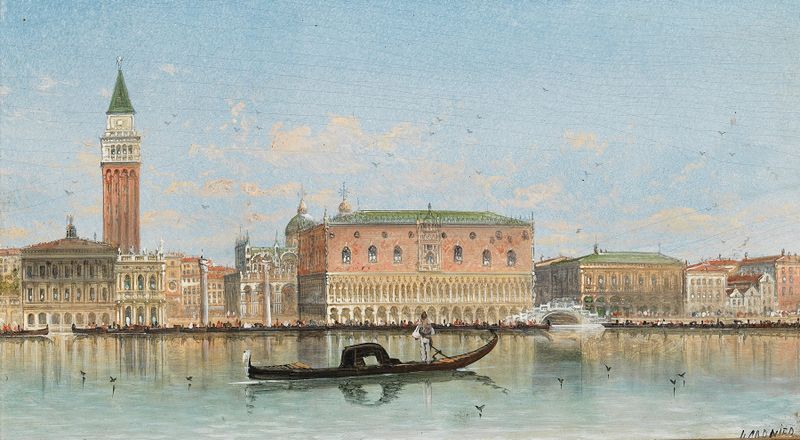
Venice, a View of St Mark’s Colum
Karl Kaufmann

Venedig Mit Santa Maria Della Salute
Karl Kaufmann
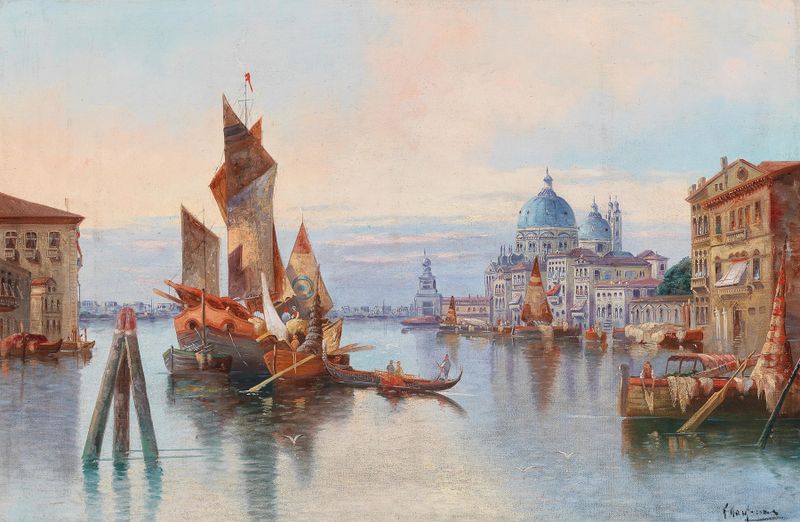
Venice, A View of Santa Maria della Salute
Karl Kaufmann
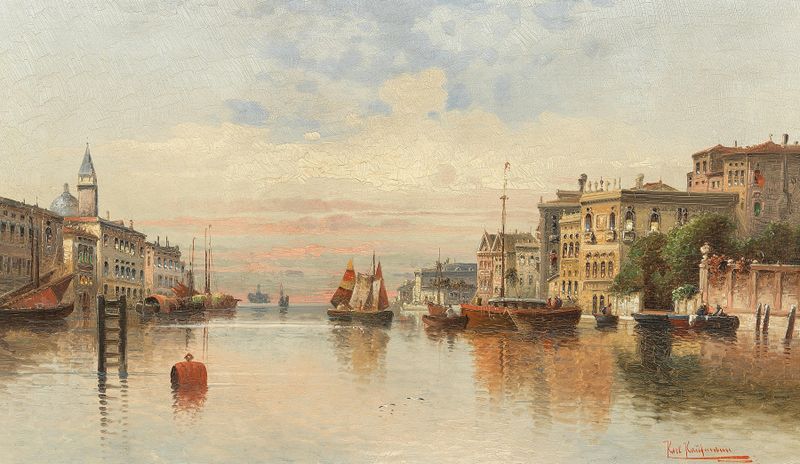
Venice, a View of a Canal
Karl Kaufmann

Fishermen By The Coast
Karl Kaufmann

Venice, Canal Scene
Karl Kaufmann
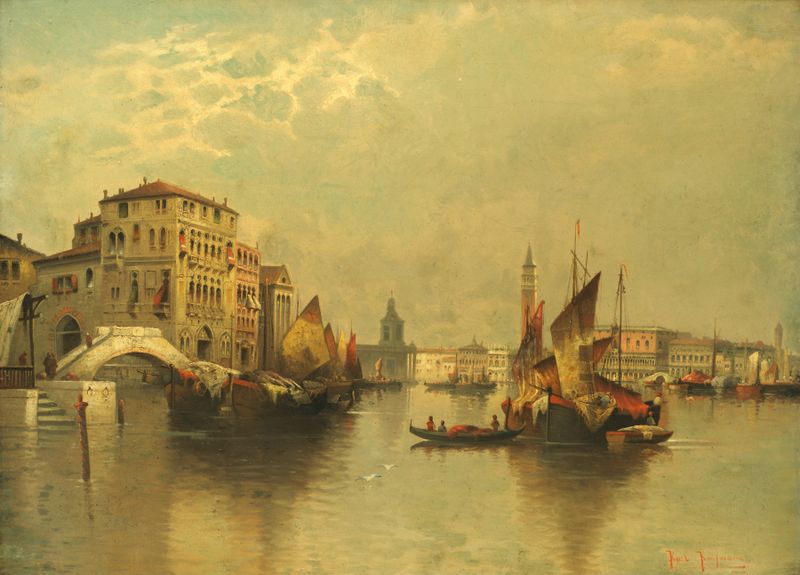
View of Venice
Karl Kaufmann
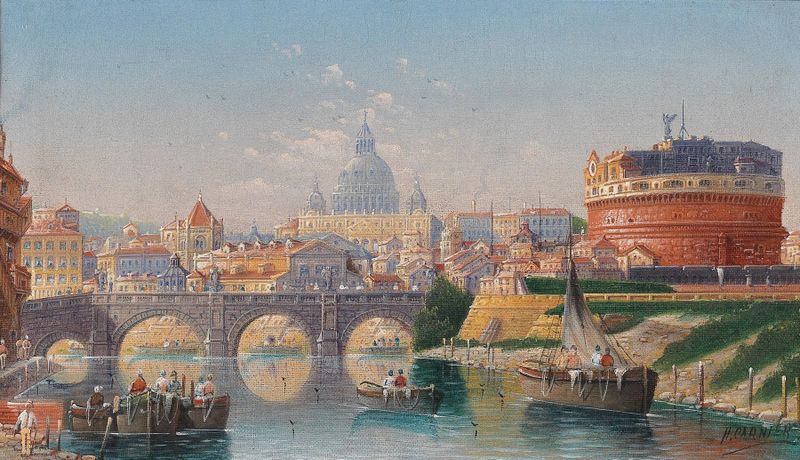
Rome, View Of The Castel Sant’angelo
Karl Kaufmann





