Harlech — History & Facts
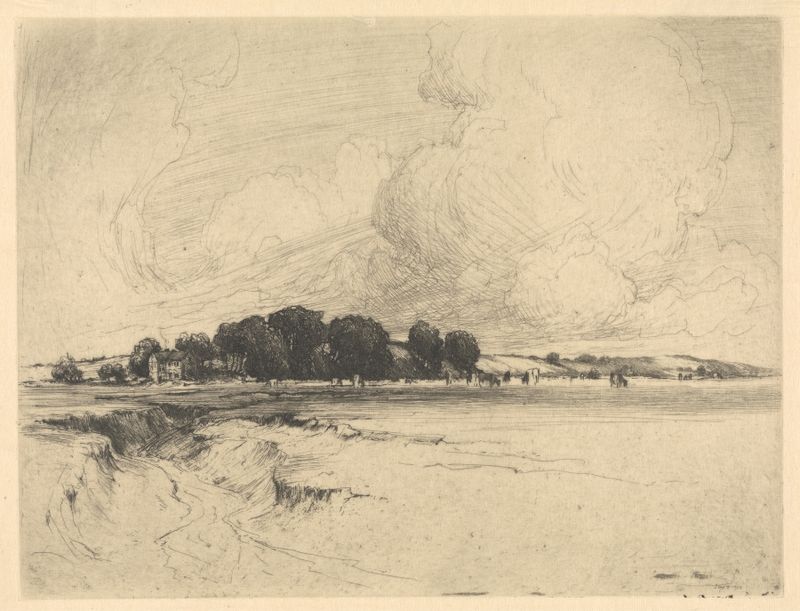
Could beauty survive in a century of chaos? The question lingers in the air like the soft, haunting notes of a distant melody, inviting contemplation and reflection. Focus on the rich, textured landscape that unfolds under a vast, moody sky. Notice how the colors blend, with muted greens giving way to deep blues, as if the earth weeps for the sky above. The bold strokes create a sense of movement, pulling your gaze toward the imposing cliffs in the distance, casting shadows that hint at hidden stories.
The artist’s deft handling of light captures a fleeting moment, illuminating the scene with an ethereal glow, evoking warmth amidst the melancholy. Delve deeper into the painting’s emotional undercurrents by observing the interplay between stillness and the remnants of a bygone era. The rugged cliffs, guardians of untold memories, convey a sense of longing, while the tranquil waters reflect the tumult of the time. This juxtaposition speaks to the resilience of beauty, suggesting that even in tumultuous moments, there exists a sanctuary for the soul.
The absence of human figures intensifies the solitude, inviting viewers to immerse themselves in their own thoughts and emotions. In 1891, Frederick Vango Burridge painted Harlech during a period marked by rapid industrialization and social upheaval. Living in England, he was influenced by the Romantic tradition, seeking solace in nature as a counterpoint to the chaos surrounding him. This work reflects his personal quest for beauty and meaning in a world on the brink of transformation, encapsulating the tension between progress and preservation.