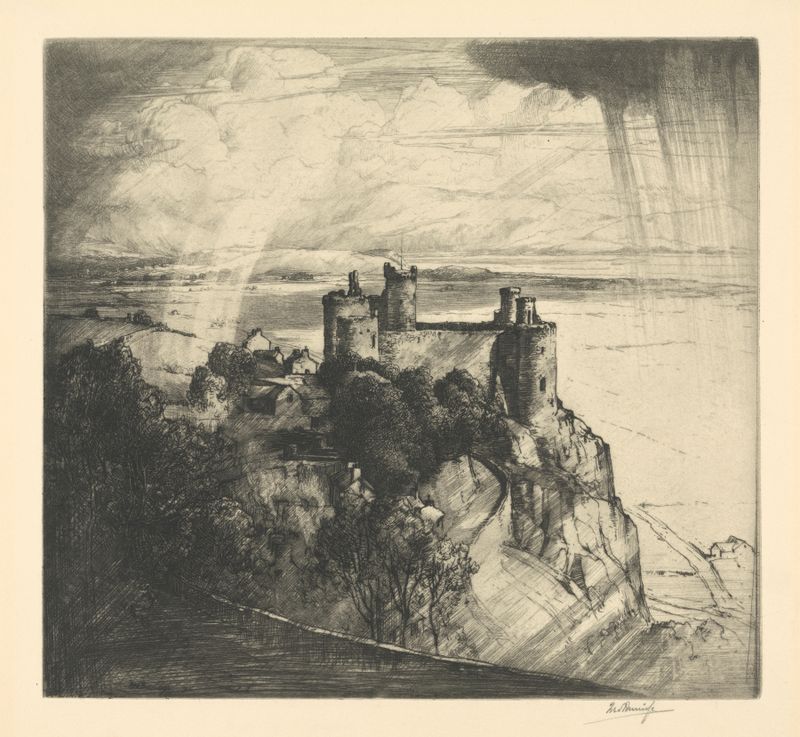
Oxcliffe Marshe — History & Facts
It is in this delicate space that longing dwells, silently echoing through the heart of each viewer. The interplay of hues in a landscape can evoke profound emotions, inviting us to explore the depths of our own desires and yearnings. Look to the center of the canvas where a winding path beckons, flanked by richly textured grasses swaying in the wind. The soft palette of deep greens and earth tones draws you in, creating a sense of place that feels both familiar and elusive.
Notice how the light plays along the edges of the path, illuminating the way forward and hinting at discovery while casting shadows that suggest what we leave behind. Each brushstroke seems to whisper the stories of those who traverse this land, imbued with a sense of quiet anticipation. In the distance, the horizon blurs where earth meets sky, signifying the infinite possibilities yet to be explored. The contrast between the vivid foreground and the muted background stirs a feeling of tension—between the known and the unknown.
Hidden within the layers of paint are the emotions of solitude and hope, offering a glimpse into the uncharted territories of the heart. This landscape, while serene, is imbued with a sense of yearning, a call that resonates deeply within us all. Frederick Vango Burridge created Oxcliffe Marshe in 1900, during a period of rich artistic exploration in England. At this time, the Impressionist movement was flourishing, influencing artists to embrace color and light in innovative ways.
Burridge, living in the West Midlands, engaged passionately with these developments, striving to capture the raw beauty of nature while evoking the emotional landscapes of human experience.