
Harvest — History & Facts
When did color learn to lie? In the vibrancy of a harvest scene, pigment dances with the truth of toil, faith, and the earth's bounty. Look to the center of the canvas, where an abundant field of golden wheat sways gently under a soft, azure sky. The light filters through the clouds, casting a warm glow that highlights the delicate strokes of the brush, each grain appearing almost alive. Notice the farmer, a stoic figure with a sun-worn face, diligently binding sheaves, embodying the spirit of hard work and reverence for the land.
The colors are rich and inviting, inviting the viewer to step into a moment filled with purpose and serenity. Yet beneath this peaceful exterior lies a subtle tension. The farmer’s posture hints at fatigue, a reminder of the relentless cycle of labor against nature’s whims. The contrasting shades of green in the background whisper of life and growth, while the golden hues speak of the inevitable passage of time and the fragility of abundance.
This duality embodies faith; a belief not just in the harvest, but in the promise of continuity even amidst uncertainties. In 1873, the artist was living in Australia, capturing the essence of the rural landscape and its laborers. During this period, Chevalier was honing his skills, influenced by the British Romantic tradition while embracing the new world around him. His work reflected a growing appreciation for everyday life, as well as a connection to the land that would resonate with audiences, offering both beauty and a story of resilience in the face of change.
More Artworks by Nicholas Chevalier
Browse all →
Coast near Dunedin
Nicholas Chevalier
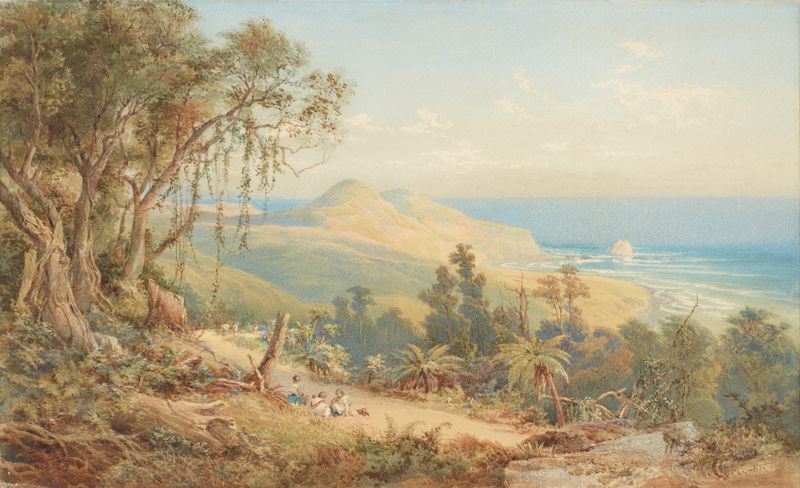
Sandfly Bay, Otago
Nicholas Chevalier

Buckler Burn at the head of Wakatipu Lake
Nicholas Chevalier

Mr MacKellar’s Station, the Waimea Plains, Southland
Nicholas Chevalier
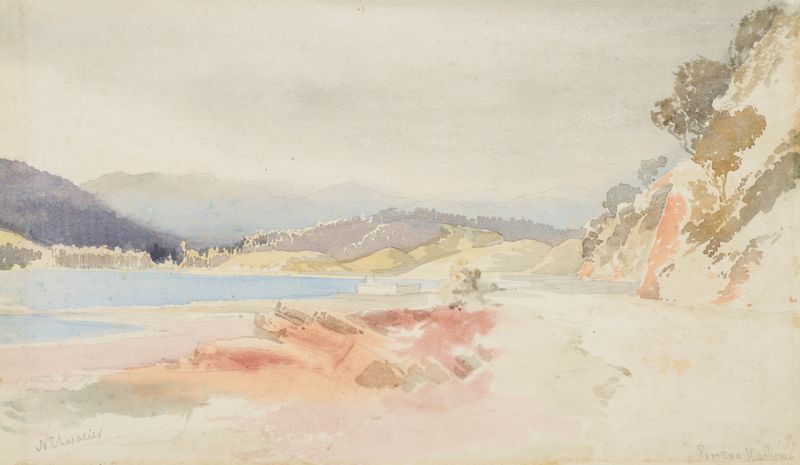
Porirua Harbour
Nicholas Chevalier
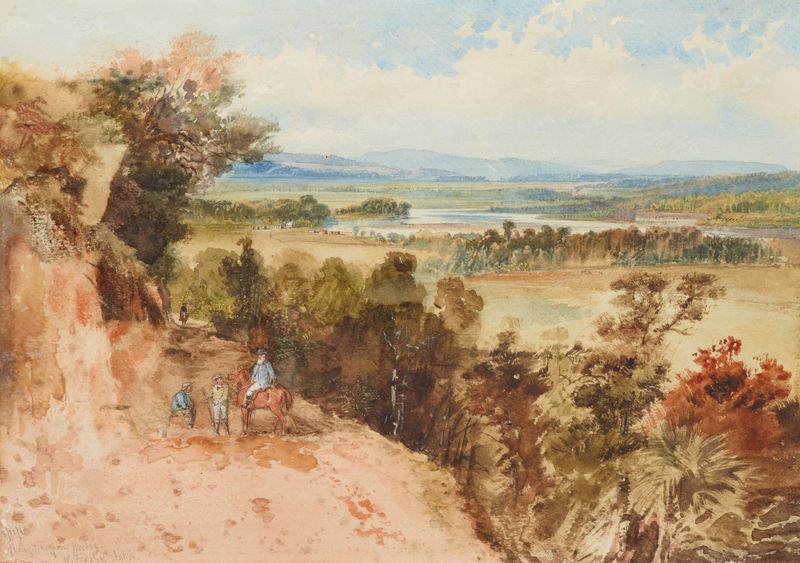
Rangitikei from Westoe, W. Fox Esq’s Station
Nicholas Chevalier

The Upper Rangitikei
Nicholas Chevalier
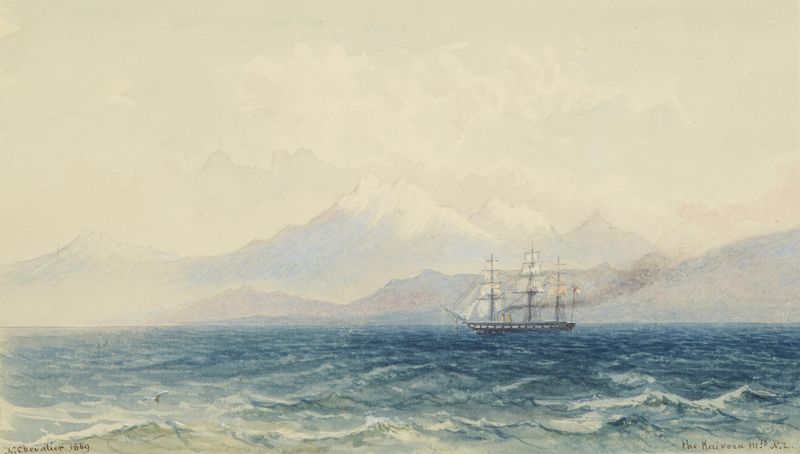
The Kaikoura Mountains, N.Z.
Nicholas Chevalier

Upper Hutt Valley
Nicholas Chevalier

The Tararua Mountains and the Waipoua River
Nicholas Chevalier





