Hay-barn with workbench — History & Facts
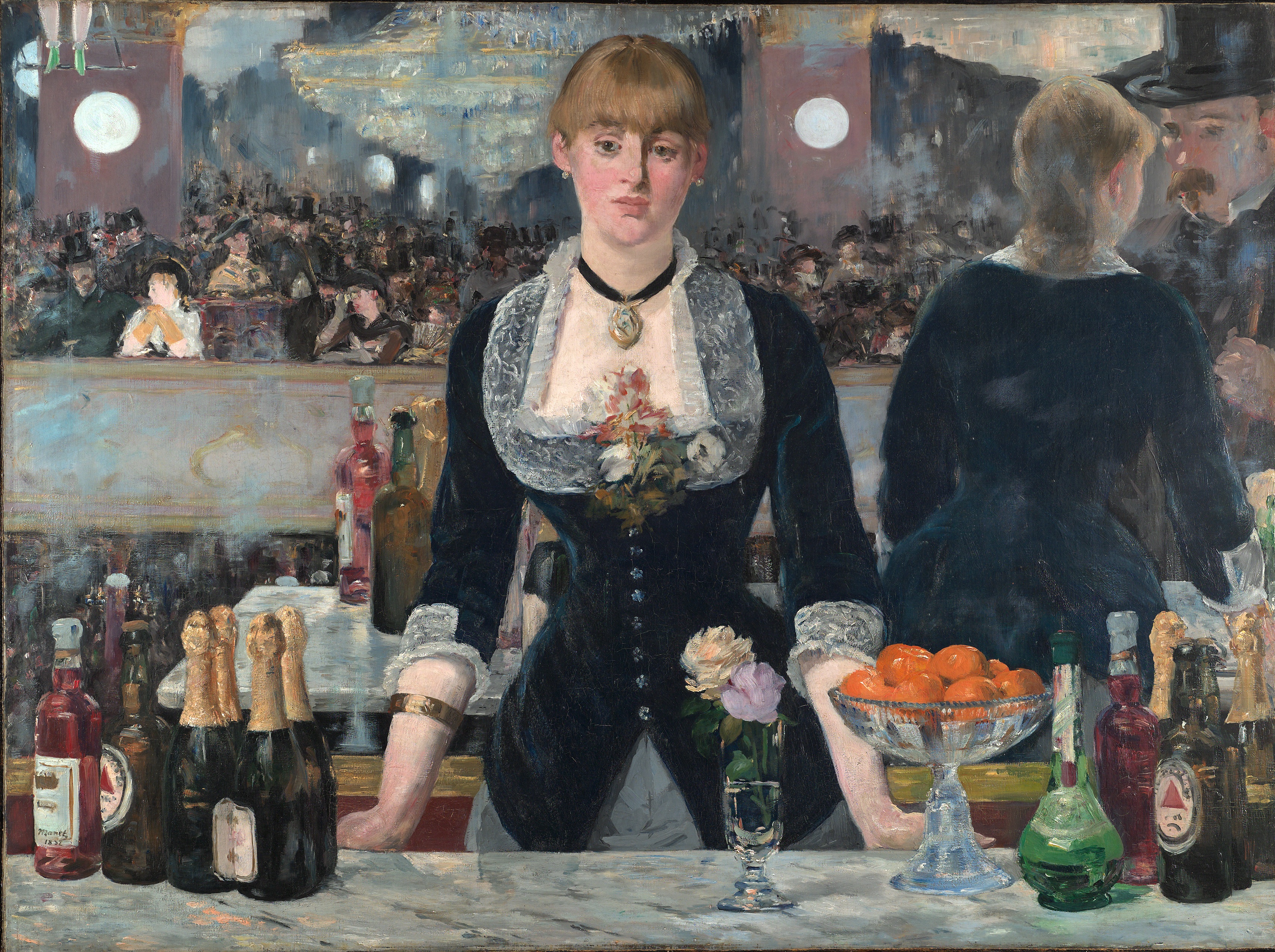
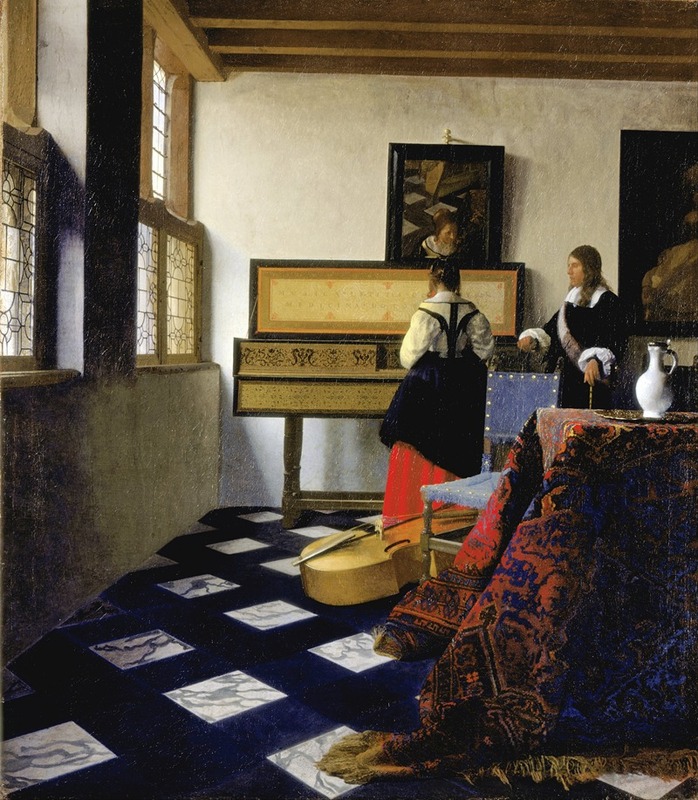
Can beauty exist without sorrow? In the quietude of a rustic space, the answer may linger in the air, as dense and palpable as the scent of hay. Look to the left at the inviting workbench, its rich wood gleaming softly in the subdued light filtering through the barn's open door. Notice how every tool is placed with intention—an axe rests beside a half-finished project, capturing the essence of labor and stillness. The interplay of warm, earthy tones gives life to the scene, where shadows dance softly on the textures of the hay and wood, evoking a sense of both industriousness and tranquility. Amidst this stillness lies a poignant contrast.
The very tools that promise creation also speak of abandonment, whispering tales of past efforts and dreams left unfulfilled. The silence is heavy, suggesting a moment frozen in time, where the beauty of the workspace collides with the weight of unspoken stories. Here, the silence carries a depth that invites contemplation on the transient nature of labor and the bittersweet essence of existence. In 1879, Floris Verster painted this scene while living in the Netherlands, a time marked by a growing interest in capturing everyday life through a realist lens.
The art world was shifting towards more intimate and relatable subjects, aligning with the broader social changes of the era. Verster's focus on ordinary settings like this barn reflects both a personal connection to his surroundings and a wider movement that sought to elevate the mundane to the level of art.