
Heavenly and Earthly Love — History & Facts
What first seizes the viewer in Heavenly and Earthly Love is the silent conversation between two women—one draped in luminous white, the other crowned with leaves and wrapped in a deep red cloth, her bare skin glowing against the cool sky. The woman in white raises her hand in a gesture of gentle admonition or guidance, her gaze calm and inward, while her companion, half-turned and flushed with life, clutches a pink blossom and rests her hand on the head of a spotted feline. Every detail is a clue: the animal skin, the laurel wreath, the contrast of flesh and fabric, all orchestrated to stage a moment of choice or revelation.
The light falls with intent, caressing the curve of the earthly figure and bathing the heavenly one in a serene, almost otherworldly clarity. Painted in 1850, this work by Ary Scheffer belongs to a world where allegory was a favored language of moral and philosophical debate. In the mid-19th century, artists and their patrons often turned to myth and personification to explore the tensions between spirit and body, duty and desire. Such paintings were made for salons and private collectors eager to display both taste and learning, and the Dordrechts Museum now preserves this example as a window onto that era’s ideals.
History has kept few traces of this particular canvas’s early journey, but its careful balance of sensuality and restraint invites the viewer to linger, searching for meaning in the meeting of two gazes.
More Artworks by Ary Scheffer

Princess Marie d'Orléans in Her Studio
Ary Scheffer
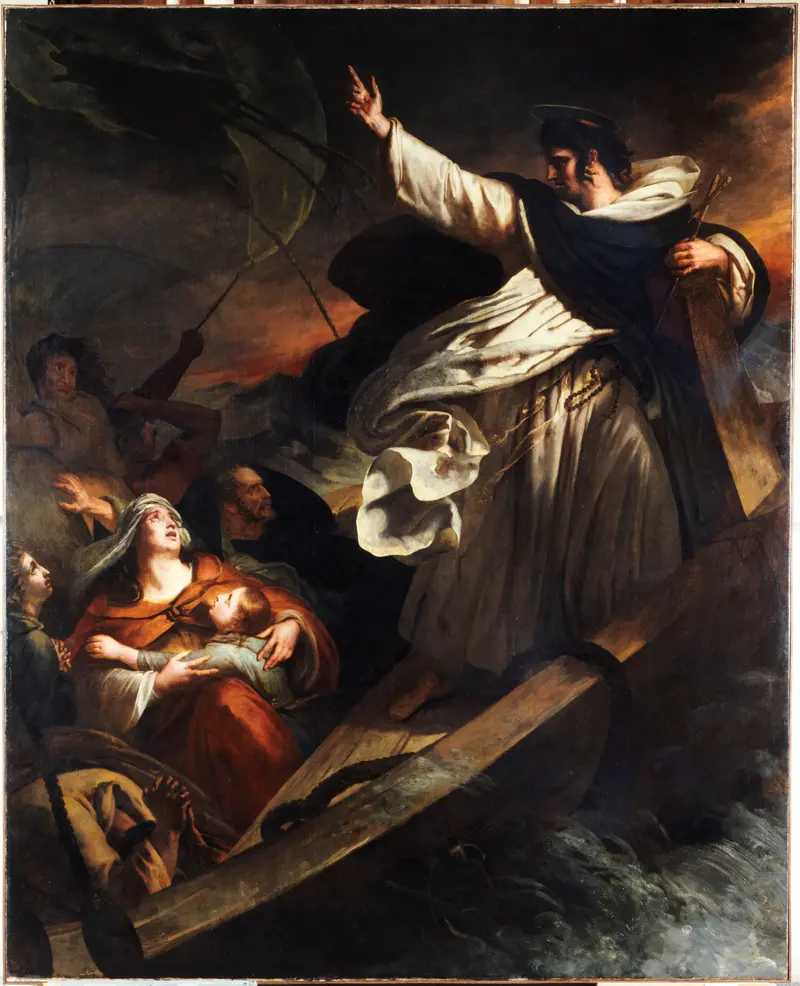
Saint Thomas d'Aquin prêchant la confiance en Dieu pendant la tempête
Ary Scheffer
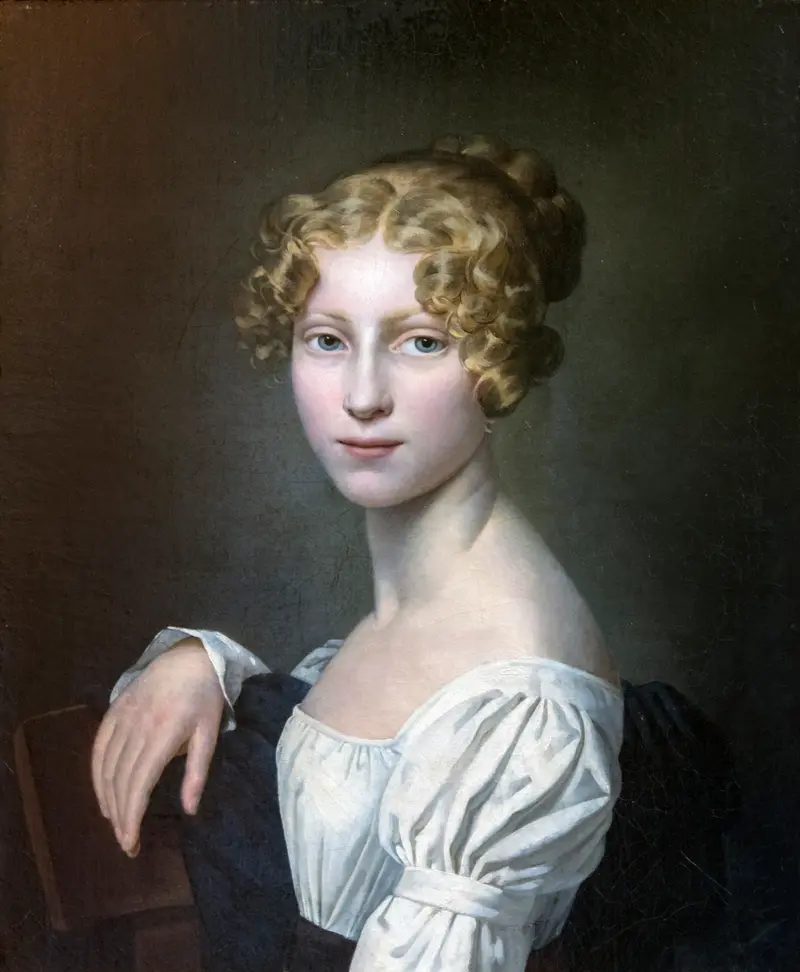
Pauline de Rémusat par Ary Scheffer
Ary Scheffer
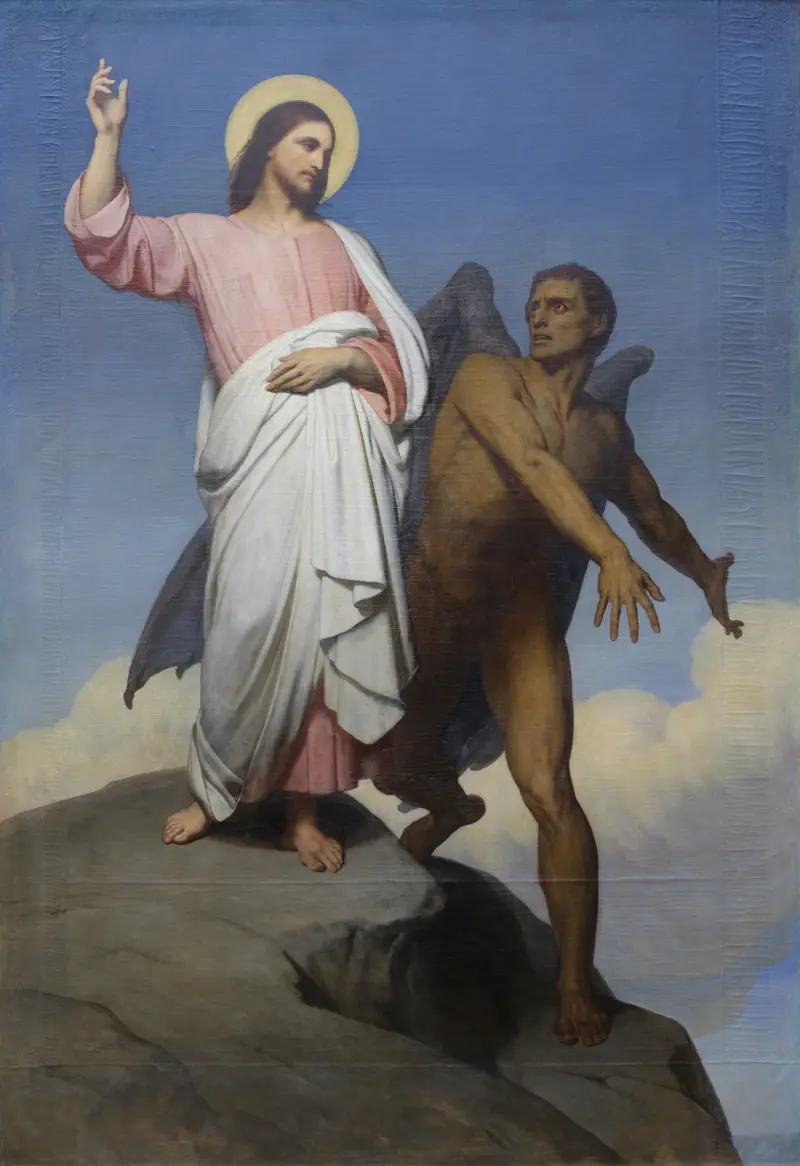
La Tentation du Christ Musée du Louvre Peintures MI 285
Ary Scheffer
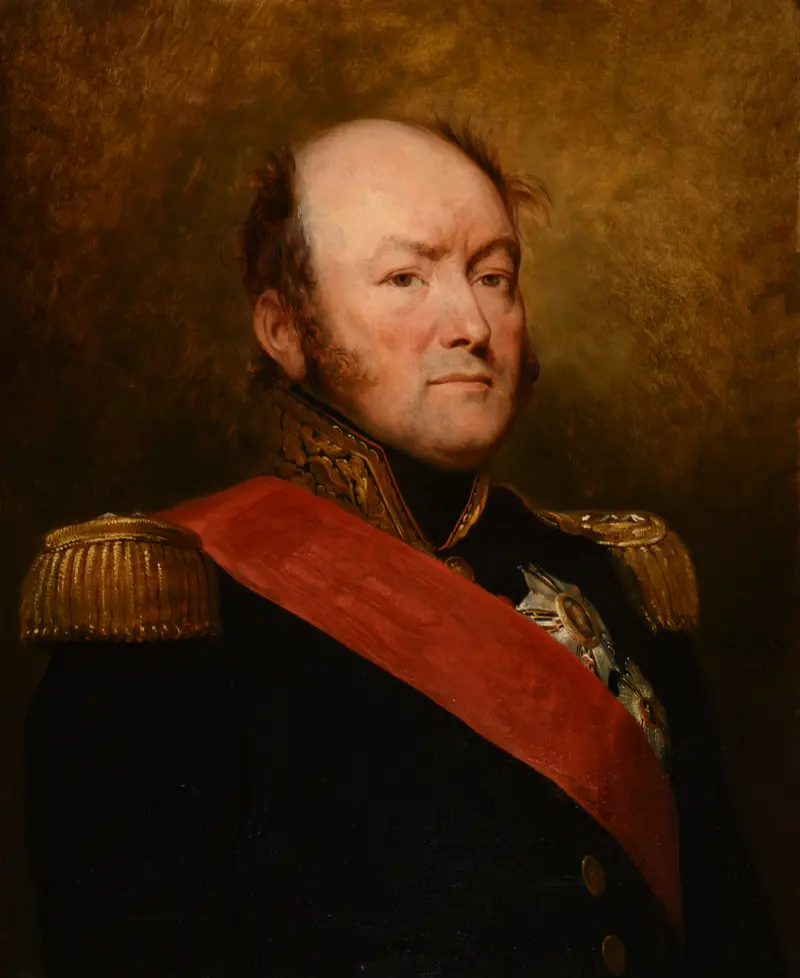
Comte Drouet d'Erlon
Ary Scheffer
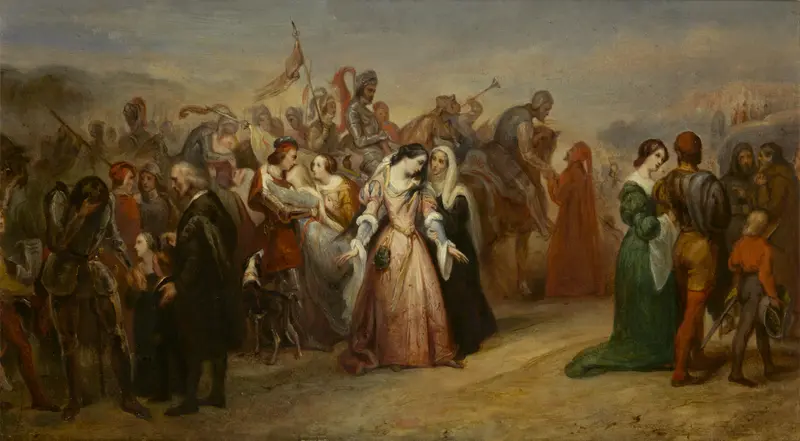
Lenore - de terugkeer van het leger
Ary Scheffer
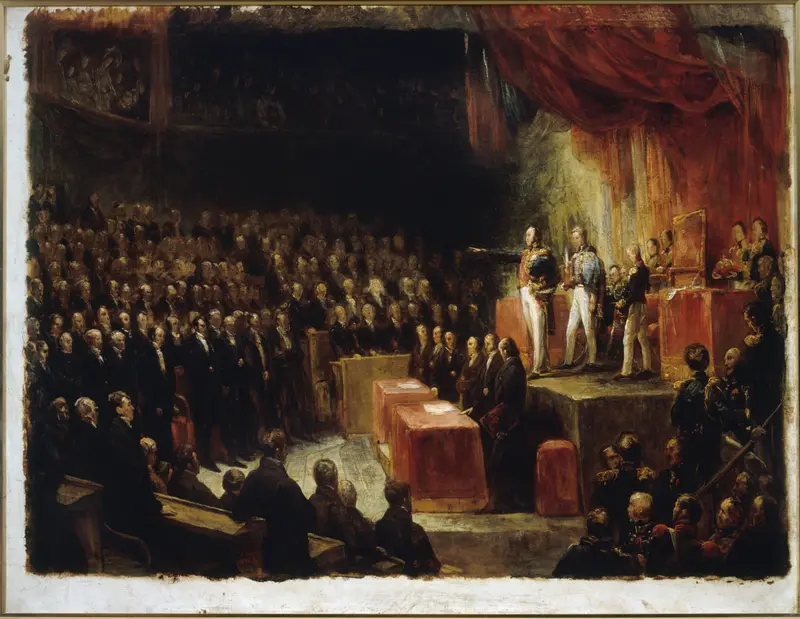
Louis Philippe prêtant serment devants les chambres, le 9 août 1830 P1537 Musée Carnavalet
Ary Scheffer
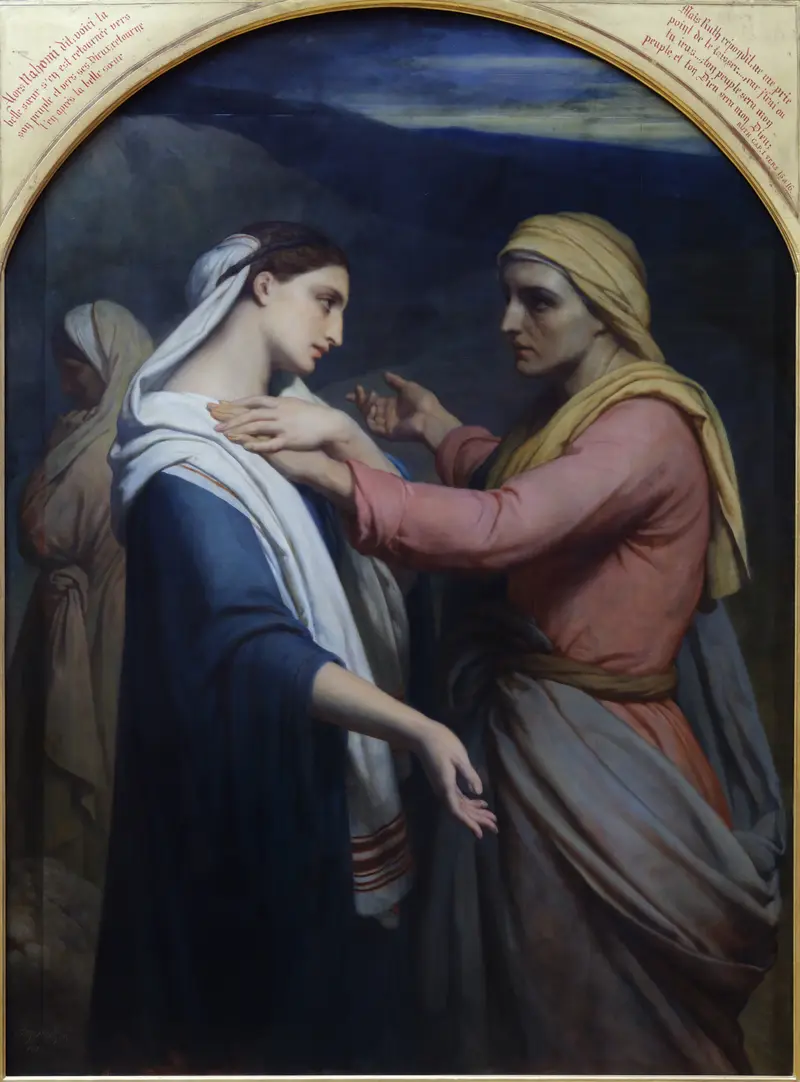
Ruth et Noémi Musée du Louvre Peintures RF 2013 4
Ary Scheffer

Figuur van een treurende engel DM S 70 Dordrechts Museum
Ary Scheffer
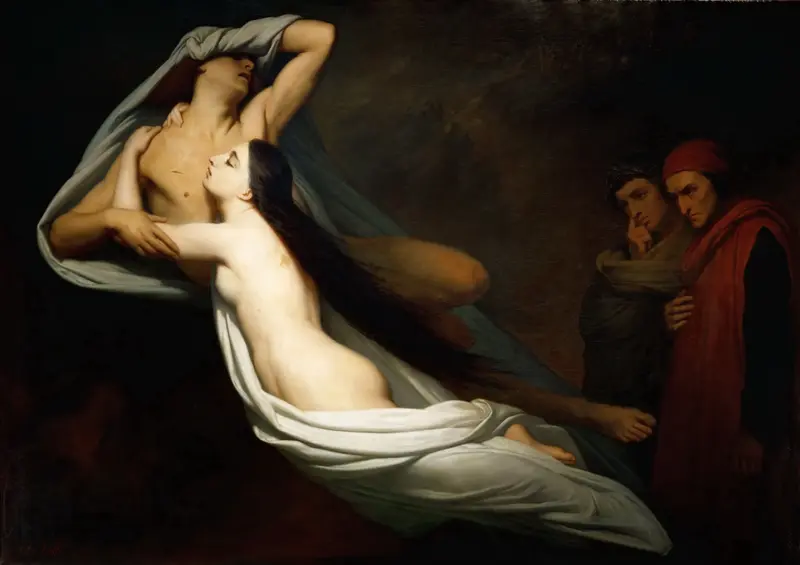
Francesca da Rimini and Paolo Malatesta appraised by Dante and Virgil
Ary Scheffer





