
Heilige Hieronymus lopend in woestijn — History & Facts
Is this a mirror — or a memory? In the arid expanse of the desert, the figure of St. Jerome emerges, a blend of solitude and spiritual resurrection. The sands around him seem to whisper, holding the weight of his past transgressions while beckoning him toward enlightenment. Look to the left at the figure, cloaked in modest attire, his expression a tapestry of contemplation and weariness.
The artist employs soft, muted tones, allowing the ochre and sepia to evoke the harshness of the desert while also hinting at the warmth of divine light. Notice how the light softly illuminates his face, casting shadows that create a sense of introspection, drawing you into a world where the physical meets the spiritual. Beneath the surface lies a profound commentary on rebirth and redemption. The barren landscape serves as a metaphor for the soul’s journey, where isolation can lead to enlightenment.
St. Jerome’s posture, leaning slightly forward, suggests a movement toward something unseen, a promise of transformation. Additionally, the looming mountains in the background symbolize the struggles that may obstruct one's path to salvation, yet they are painted with a hint of light, signifying hope. In 1519, Hans Sebald Beham, a significant figure of the German Renaissance, created this work during a time of burgeoning humanism in art.
Living in Nuremberg, he was immersed in a community that valued individual expression and spiritual exploration. This painting encapsulates the era's tension between earthly existence and spiritual aspirations, reflecting both his personal artistic journey and the broader cultural shift of his time.
More Artworks by Hans Sebald Beham
Browse all →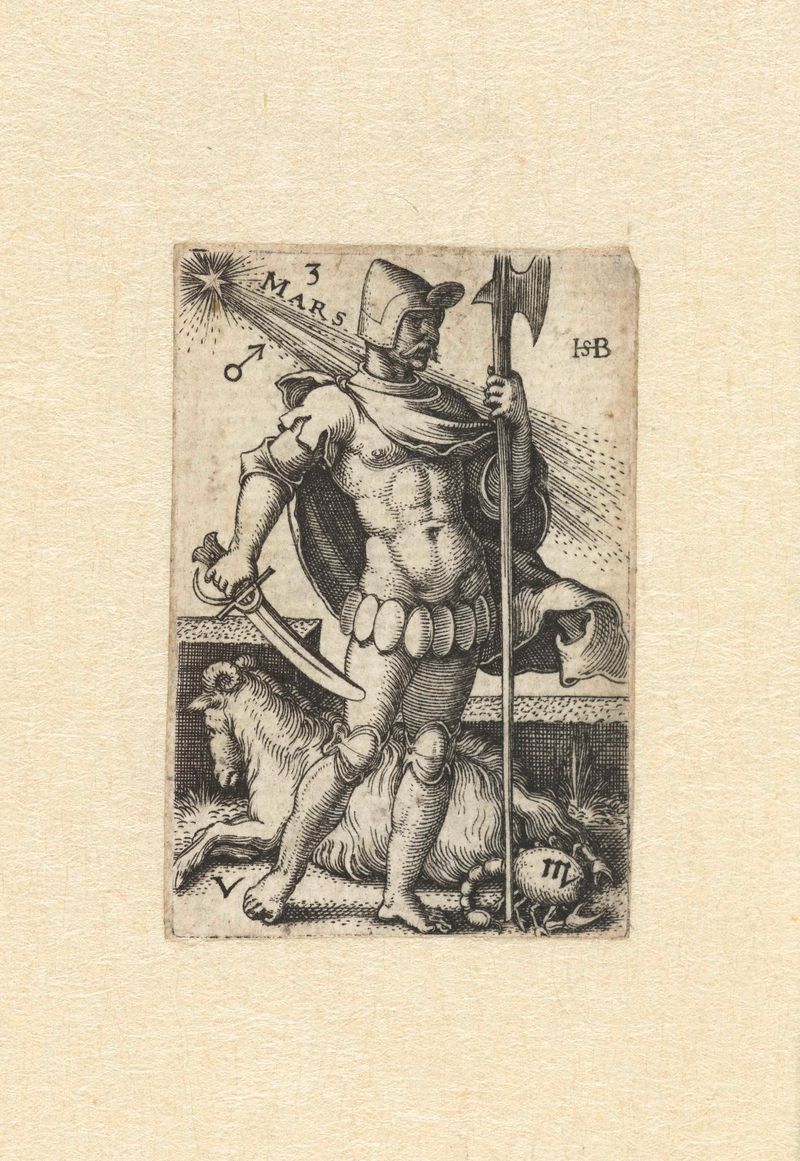
Mars met sterrenbeelden Ram en Schorpioen
Hans Sebald Beham

Achilles in gevecht met Hector
Hans Sebald Beham
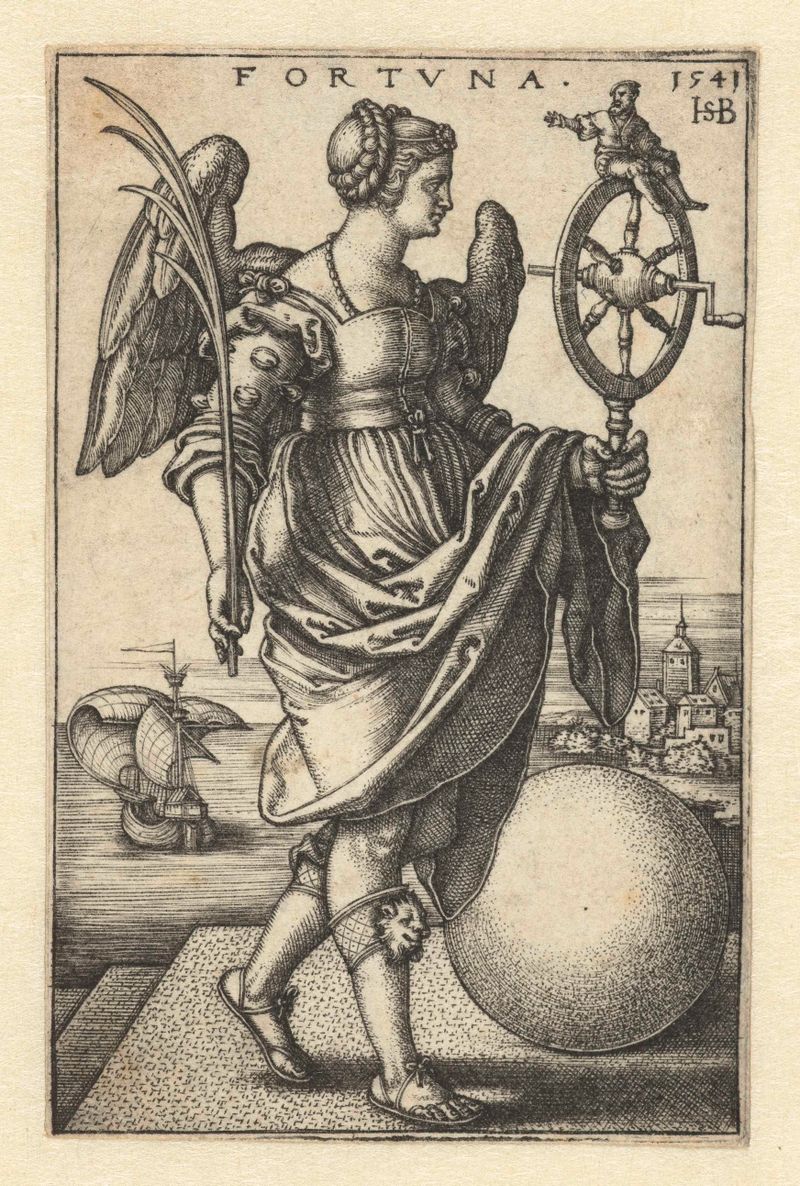
Fortuna
Hans Sebald Beham

Hercules worstelt met Antaeus
Hans Sebald Beham

Twee muzikanten met schalmey en doedelzak
Hans Sebald Beham

Voorzichtigheid (Prudentia)
Hans Sebald Beham

Hercules in gevecht met de Trojanen
Hans Sebald Beham
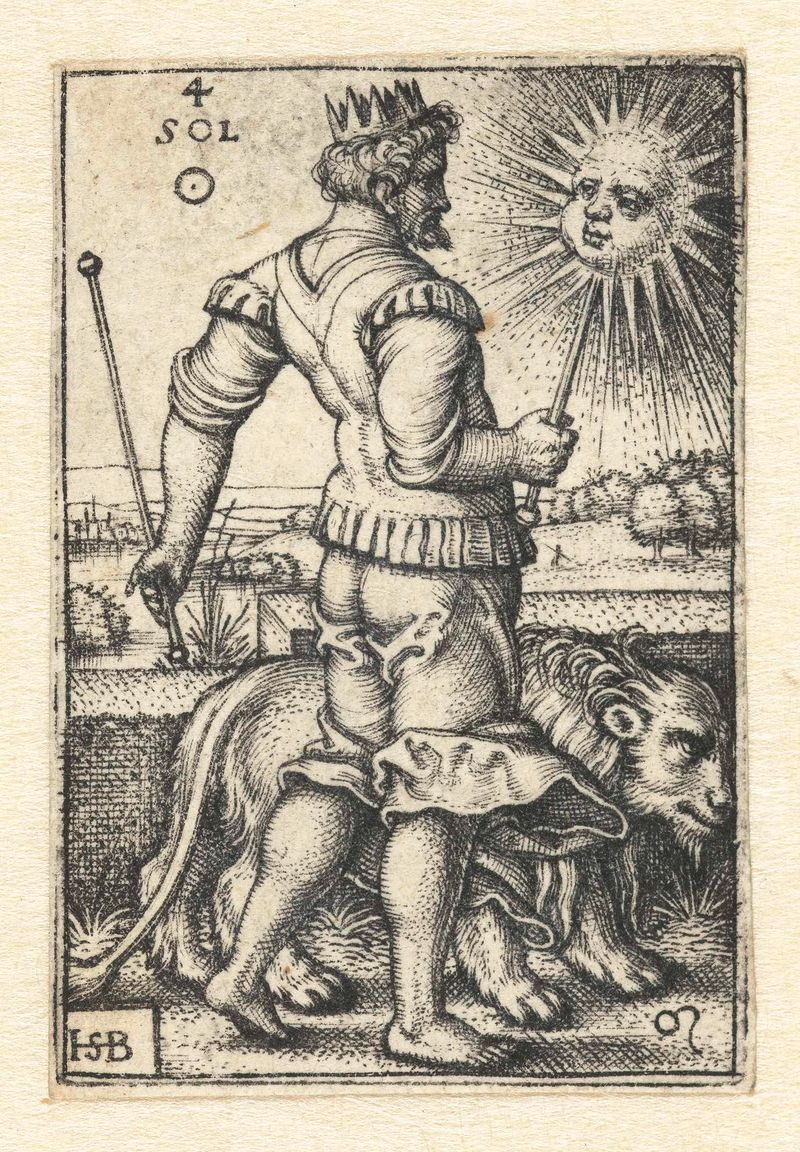
Apollo (Sol) met sterrenbeeld Leeuw
Hans Sebald Beham
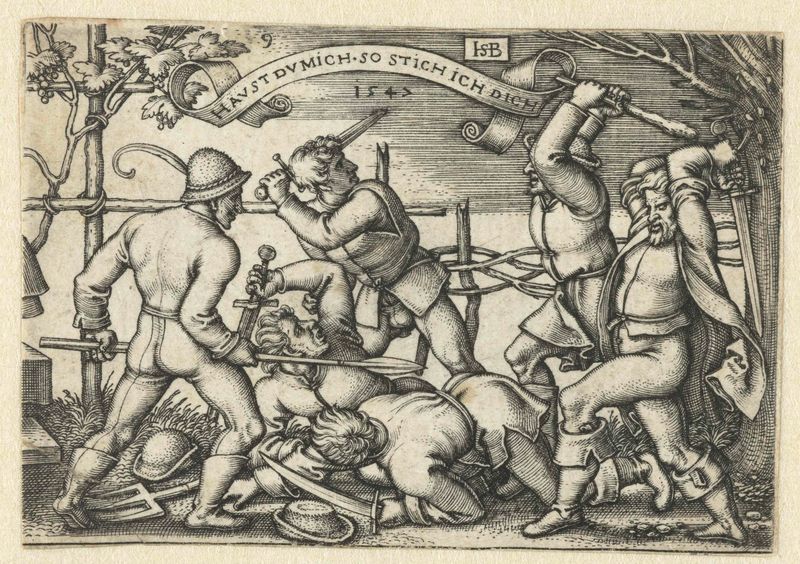
Vechtende boeren met zwaarden
Hans Sebald Beham
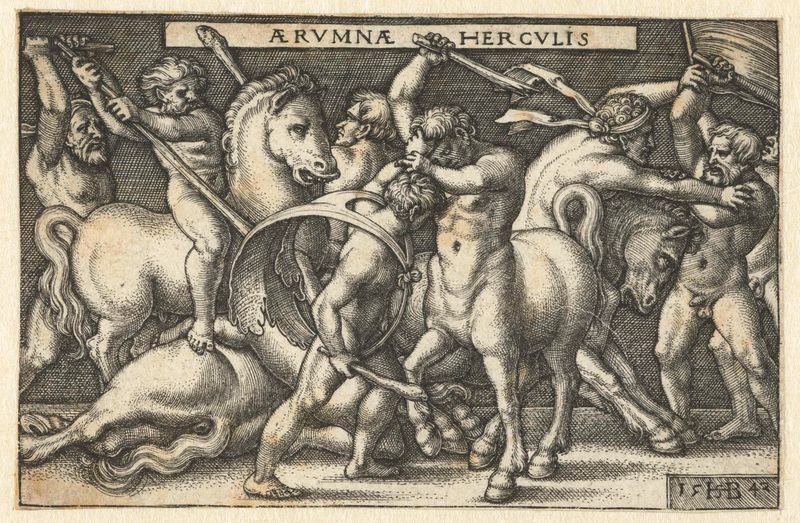
Hercules in gevecht met centaurs
Hans Sebald Beham
More Religious Art
Browse all →
The Return of the Prodigal Son
Rembrandt van Rijn

The Garden of Earthly Delights
El Bosco

Count Orgaz’ funeral
El Greco

The Hundred Guilder Print: the central piece with Christ preaching, the plate arched
Rembrandt van Rijn

The Descent from the Cross
Rogier van der Weyden

The return of the prodigal son
Rembrandt van Rijn