
Heilige Johannes Chrysostomus als kluizenaar in de woestijn — History & Facts
This notion resonates profoundly in the intricate work of Hans Sebald Beham, revealing layers beyond mere appearance. In Heilige Johannes Chrysostomus als kluizenaar in de woestijn, there exists a delicate interplay between the sacred and the solitary, inviting contemplation of the truths that shape our existence. Look closely at the figure nestled within the rugged landscape; the hermit’s worn robes contrast sharply with the ethereal light illuminating his weathered face. The warm tones of the desert environment cradle him, every brushstroke reminiscent of both harshness and solace.
Notice the texture of the rocks, each jagged edge skillfully rendered, anchoring the scene in reality while the golden halo suggests a divine presence — an illusion created by the artist, blurring the lines between earthly struggle and heavenly aspiration. Beneath the serene surface, a tension simmers. The hermit’s gaze is contemplative, reflecting a profound isolation that resonates with the viewer. This solitude, adorned with the beauty of his sanctity, speaks to the duality of faith: it is a source of strength yet also a path fraught with sacrifice.
The juxtaposition of light and shadow in the background signals unseen struggles; perhaps they echo the internal battles faced by every seeker of truth. Beham created this artwork between 1510 and 1550 during a time of significant artistic transition in Germany, influenced by the Reformation's spiritual upheaval. As an artist skilled in engravings and woodcuts, he was part of a movement that emphasized emotional depth and storytelling within visual art. This period marked a shift towards personal expression, as artists began to explore themes of inner conflict and divine connection, mirroring the complexities of their own realities.
More Artworks by Hans Sebald Beham
Browse all →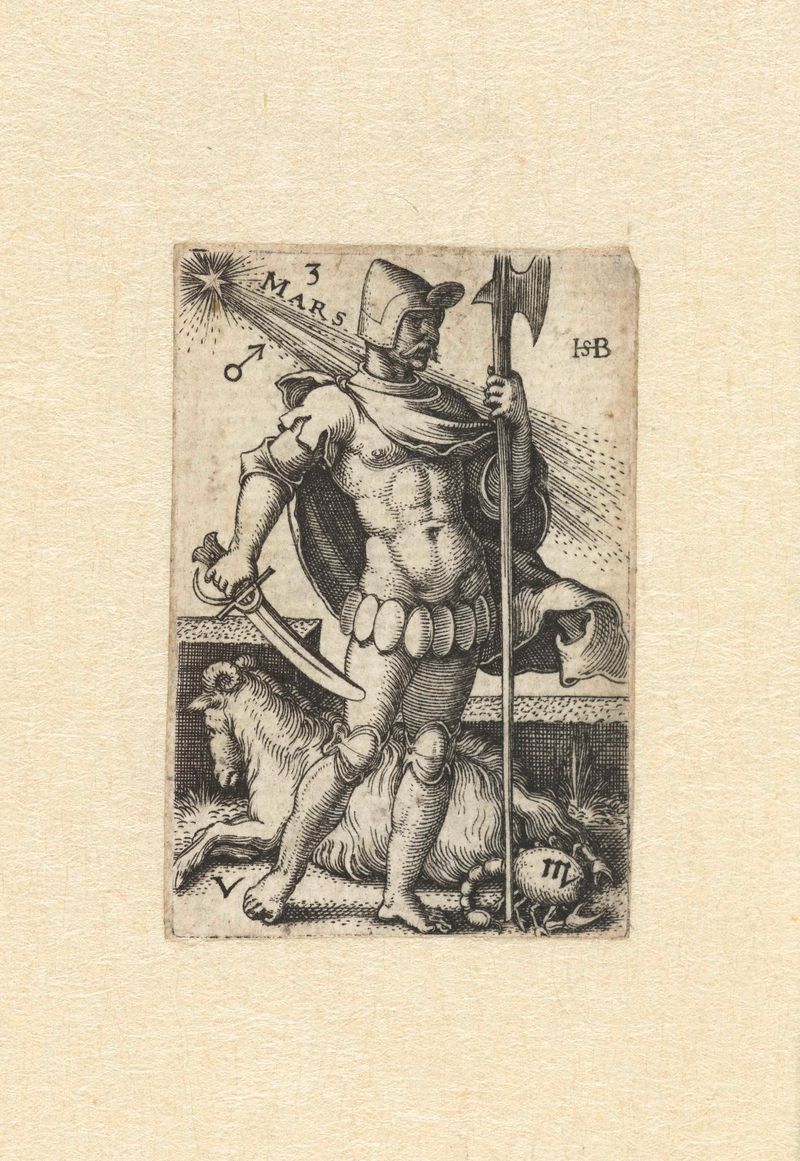
Mars met sterrenbeelden Ram en Schorpioen
Hans Sebald Beham

Achilles in gevecht met Hector
Hans Sebald Beham
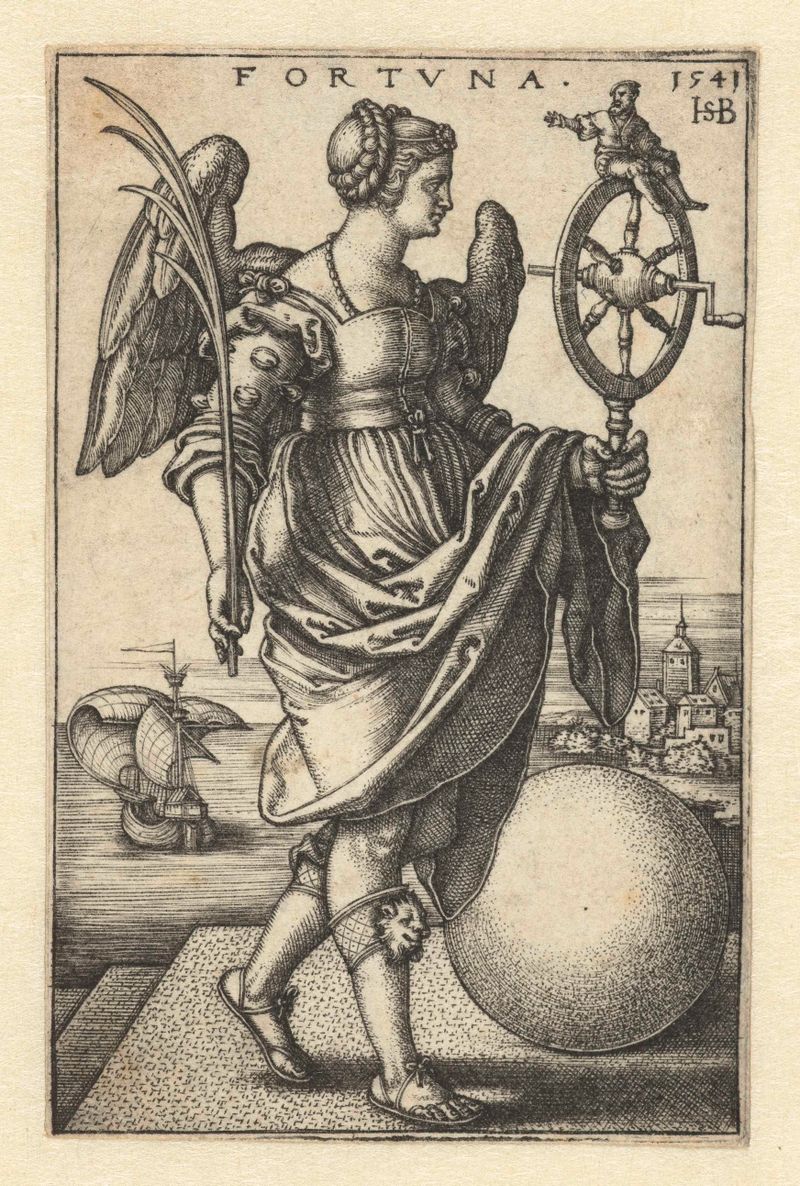
Fortuna
Hans Sebald Beham

Hercules worstelt met Antaeus
Hans Sebald Beham

Twee muzikanten met schalmey en doedelzak
Hans Sebald Beham

Voorzichtigheid (Prudentia)
Hans Sebald Beham

Hercules in gevecht met de Trojanen
Hans Sebald Beham
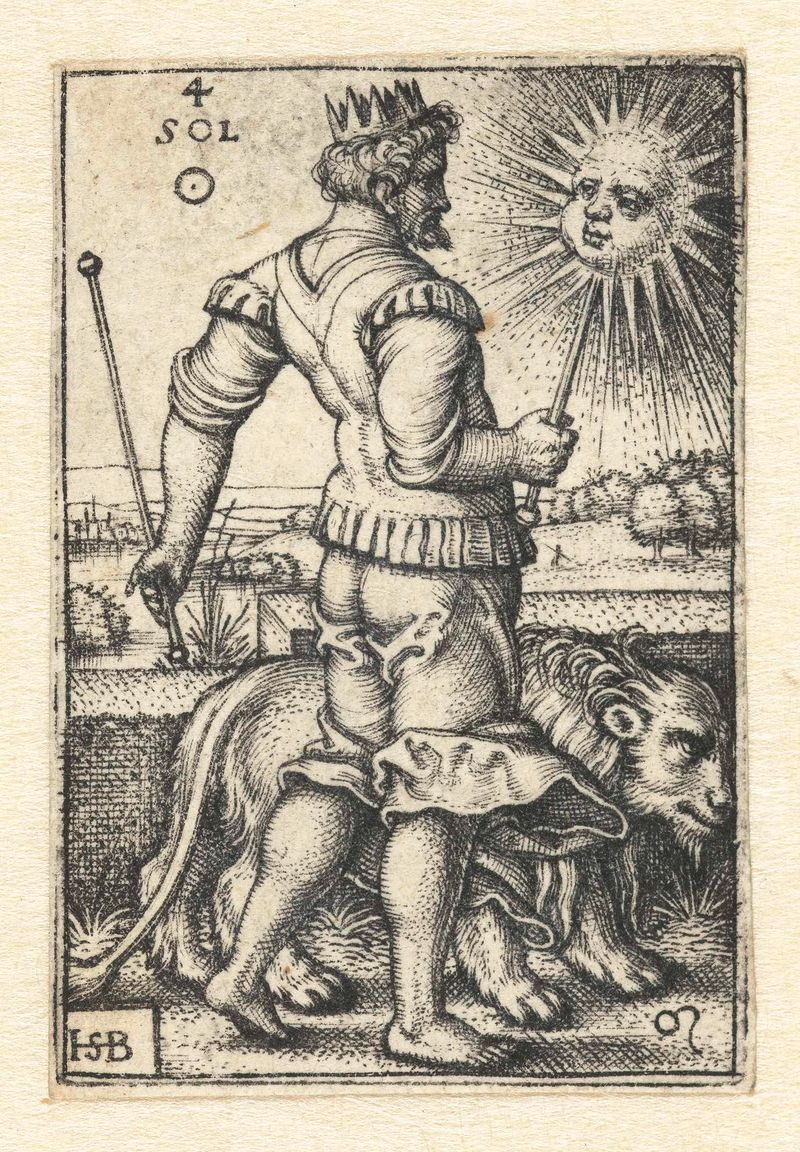
Apollo (Sol) met sterrenbeeld Leeuw
Hans Sebald Beham
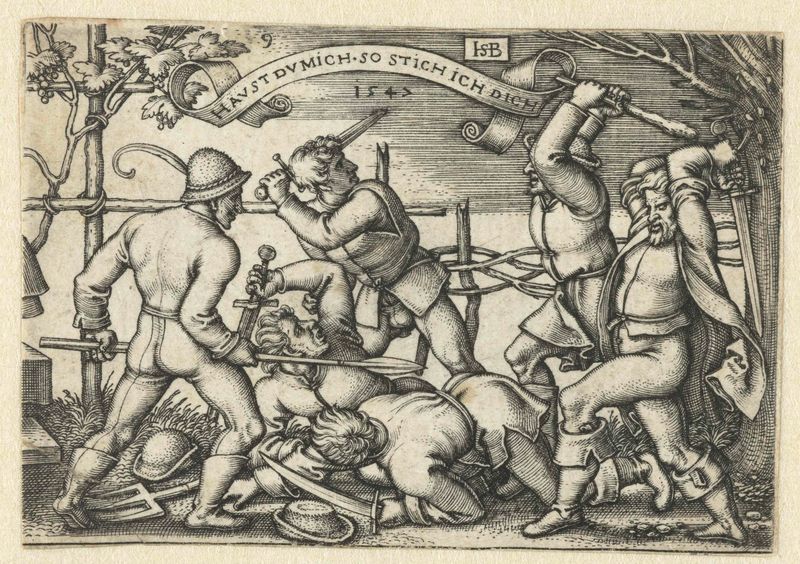
Vechtende boeren met zwaarden
Hans Sebald Beham
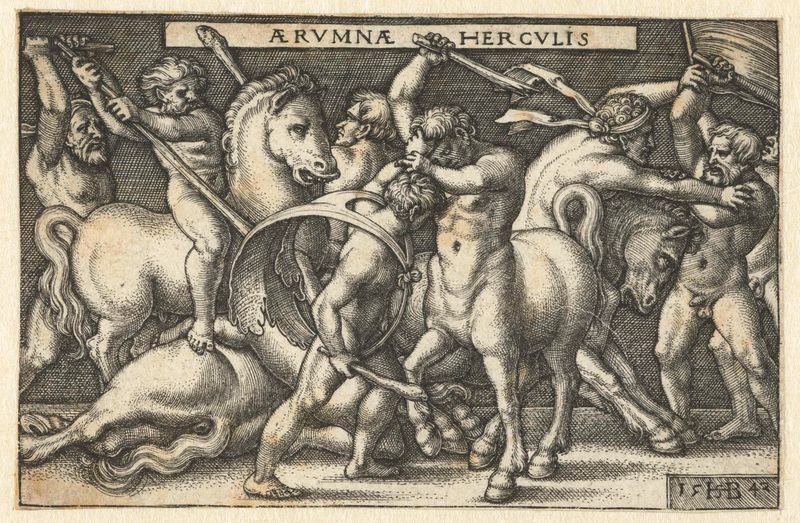
Hercules in gevecht met centaurs
Hans Sebald Beham
More Religious Art
Browse all →
The Return of the Prodigal Son
Rembrandt van Rijn

The Garden of Earthly Delights
El Bosco

Count Orgaz’ funeral
El Greco

The Hundred Guilder Print: the central piece with Christ preaching, the plate arched
Rembrandt van Rijn

The Descent from the Cross
Rogier van der Weyden

The return of the prodigal son
Rembrandt van Rijn