
Heilige Johannes Chrysostomus als kluizenaar in de woestijn — History & Facts
Who listens when art speaks of silence? In a world often drowning in noise, the serenity captured in this work transcends mere observation, inviting deep reflection. Look closely at the figure at the center, a solemn Saint John Chrysostom. His countenance, carved with lines of contemplation, is framed by the rugged texture of a rocky wilderness. Notice how the muted palette of earth tones envelops him, suggesting both a physical and spiritual isolation.
The sparse details of his surroundings—sharp rocks and a distant horizon—draw the viewer's gaze inward, creating a profound sense of balance between the saint's introspective solitude and the vastness of nature. This piece resonates with a quiet tension, suggesting themes of sacrifice and enlightenment. Chrysostom’s gaze, directed either towards the heavens or deep in thought, implies a communion with the divine, while the harsh landscape around him represents the trials of faith. The artist's careful juxtaposition of the figure and wilderness speaks to the dichotomy of existence—how solitude can nurture both despair and clarity.
Each brushstroke seems to whisper stories of introspection, waiting for the viewer to listen. Hans Sebald Beham created this poignant work during the early 16th century, a period marked by religious upheaval and the emergence of humanist ideas in art. Painting during the Reformation, he was influenced by both the spiritual fervor of the time and the quest for personal enlightenment. His exploration of religious themes, combined with a focus on individual experience, reflects the shifting tides in both art and society, capturing an essential moment in the evolution of Western thought.
More Artworks by Hans Sebald Beham
Browse all →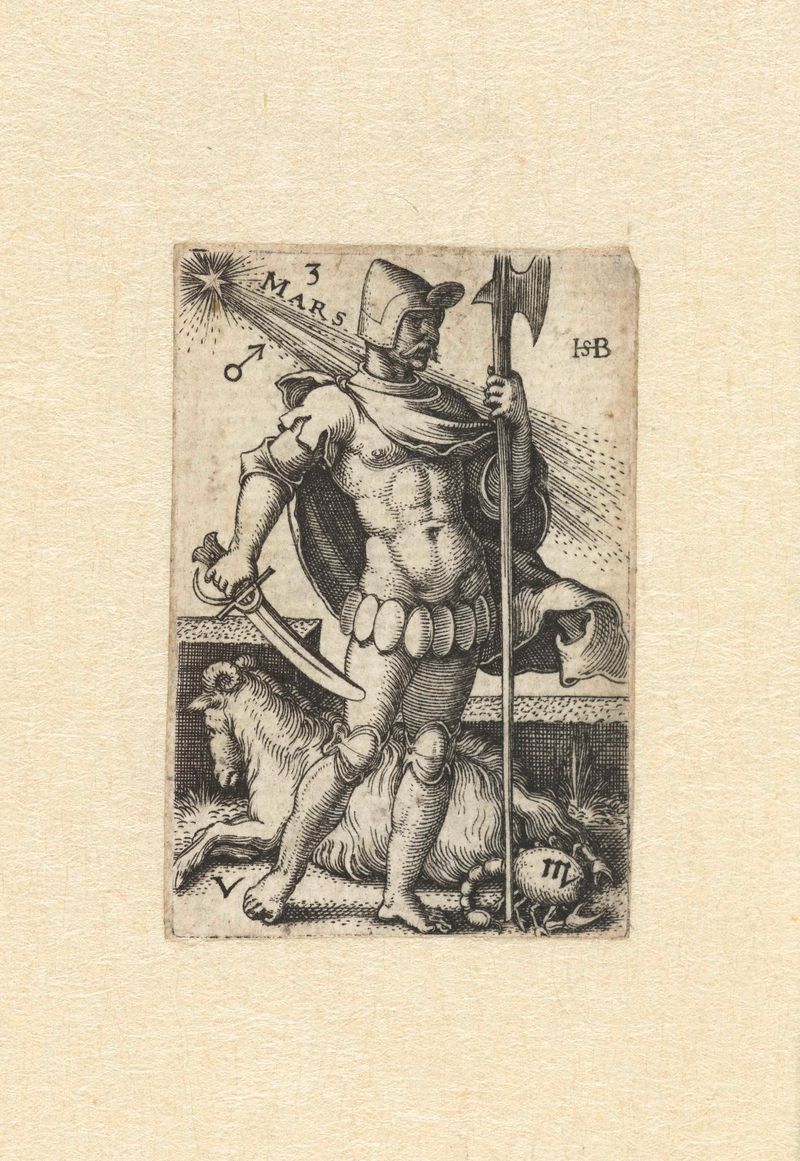
Mars met sterrenbeelden Ram en Schorpioen
Hans Sebald Beham

Achilles in gevecht met Hector
Hans Sebald Beham
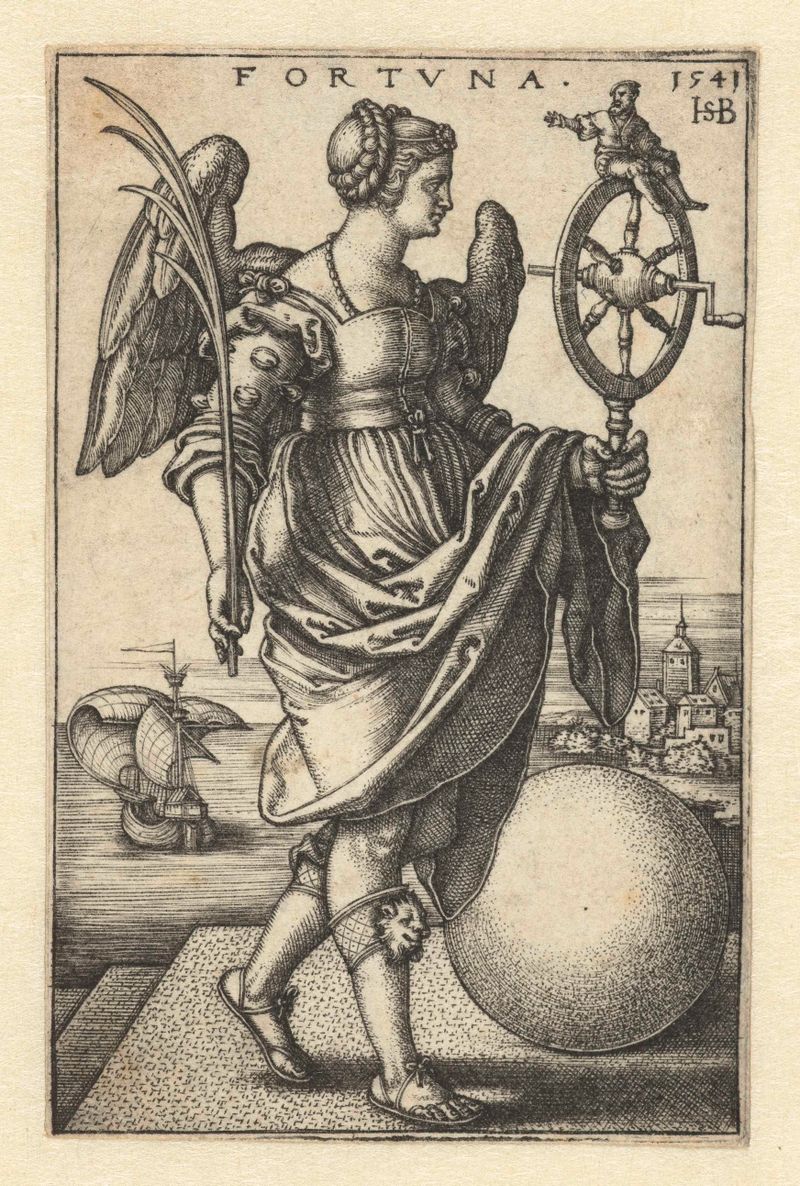
Fortuna
Hans Sebald Beham

Hercules worstelt met Antaeus
Hans Sebald Beham

Twee muzikanten met schalmey en doedelzak
Hans Sebald Beham

Voorzichtigheid (Prudentia)
Hans Sebald Beham

Hercules in gevecht met de Trojanen
Hans Sebald Beham
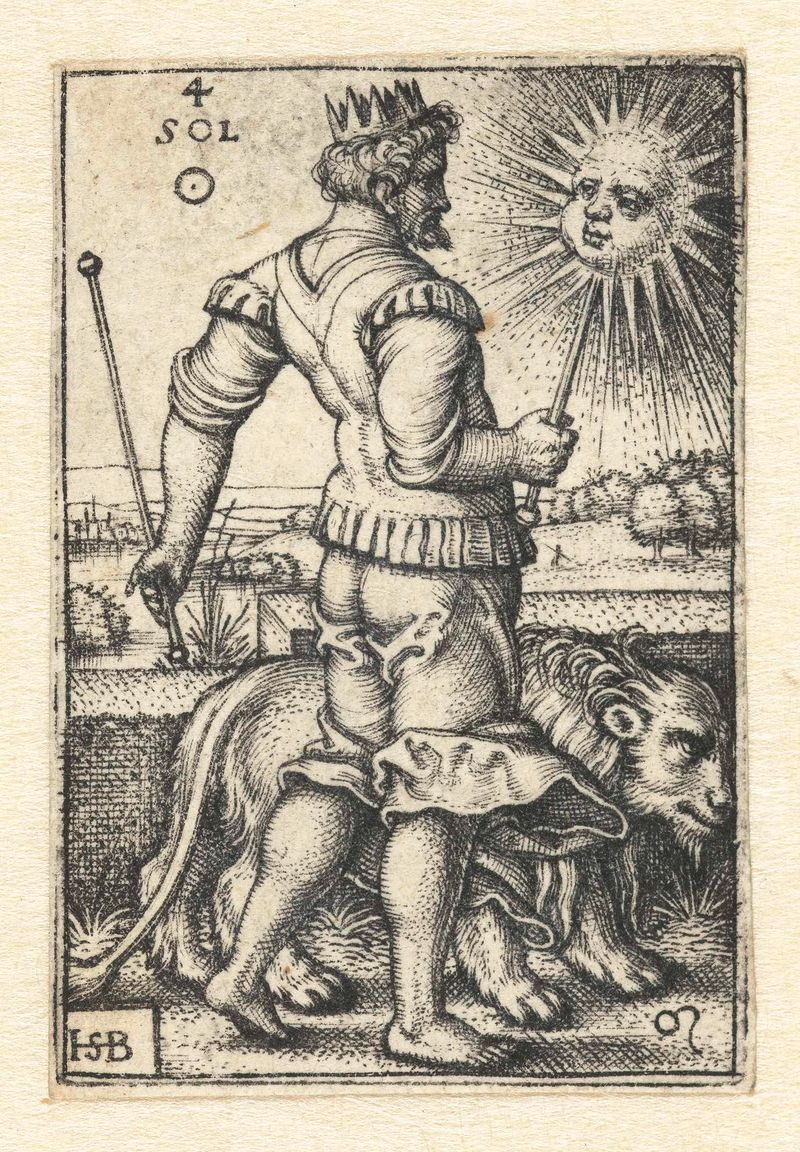
Apollo (Sol) met sterrenbeeld Leeuw
Hans Sebald Beham
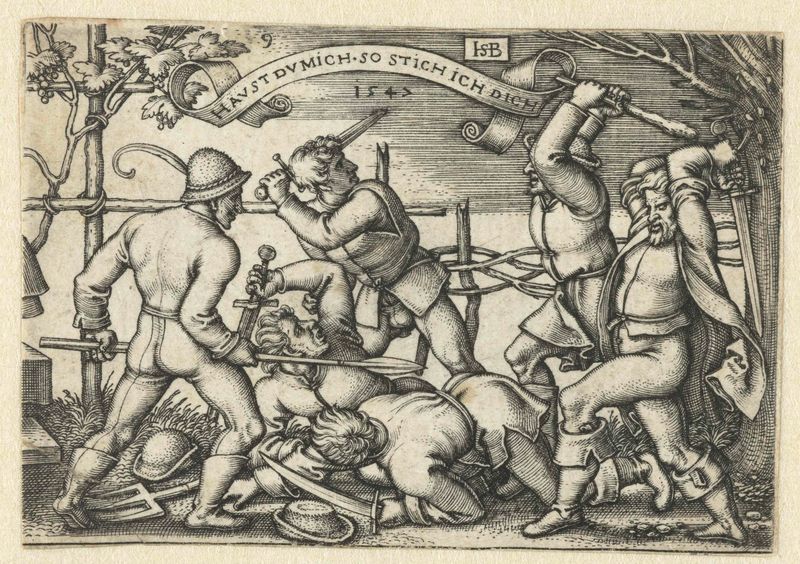
Vechtende boeren met zwaarden
Hans Sebald Beham
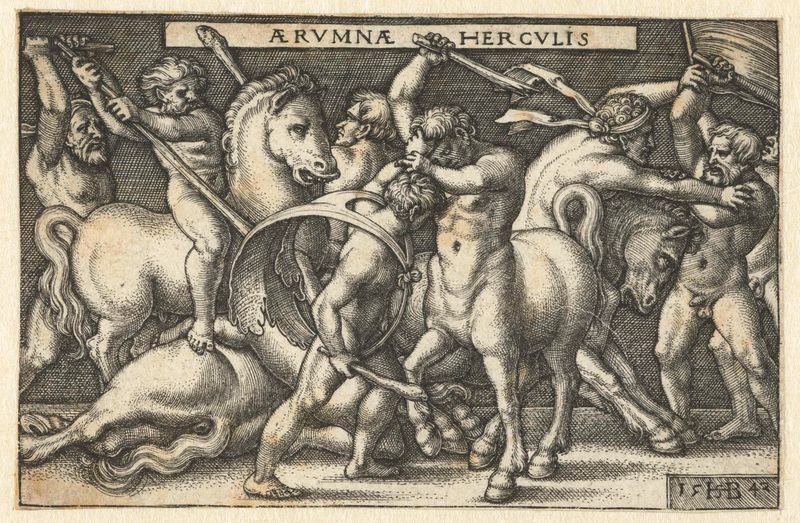
Hercules in gevecht met centaurs
Hans Sebald Beham
More Religious Art
Browse all →
The Return of the Prodigal Son
Rembrandt van Rijn

The Garden of Earthly Delights
El Bosco

Count Orgaz’ funeral
El Greco

The Hundred Guilder Print: the central piece with Christ preaching, the plate arched
Rembrandt van Rijn

The Descent from the Cross
Rogier van der Weyden

The return of the prodigal son
Rembrandt van Rijn