
Heilige Sebaldus als pelgrim met een kerkmodel — History & Facts
In the serene stillness of Heilige Sebaldus als pelgrim met een kerkmodel, divinity steps forward, adorned in layers of spiritual significance. This artwork captures the essence of pilgrimage, a journey not just through space but through faith itself, where the sacred whispers to the soul. To appreciate the piece fully, focus on the figure of Sebaldus, who stands resolute at the center. His rich, flowing robes, painted in deep greens and golds, invite your gaze to explore the intricate details of his attire.
Notice how the folds of fabric contrast with the delicate model of the church nestled in his hands, symbolizing not only his devotion but the sacred architecture that frames his journey. The soft, warm light cascades over the scene, illuminating the figure while casting gentle shadows that suggest a depth of character and purpose. As you delve deeper, consider the symbolism of the church model itself. It serves as a bridge between the earthly and the divine, embodying the pilgrimage's dual nature—both a tangible journey and one of spiritual introspection.
The tension between the vivid colors of Sebaldus’s attire and the solemn earth tones of the background evokes a sense of longing, a reminder of the faith that propels one forward. It prompts reflections on the sacrifices inherent in spiritual quests, revealing the layered complexities of devotion. In 1521, during the height of the Northern Renaissance, Hans Sebald Beham created this piece in Nuremberg, a center of artistic and intellectual activity. At this time, the Reformation was reshaping religious landscapes, and artists explored new expressions of faith.
Beham, influenced by his contemporaries, sought to redefine sacred art, merging traditional motifs with personal and communal narratives, marking a pivotal moment in the evolution of spiritual representation in art.
More Artworks by Hans Sebald Beham
Browse all →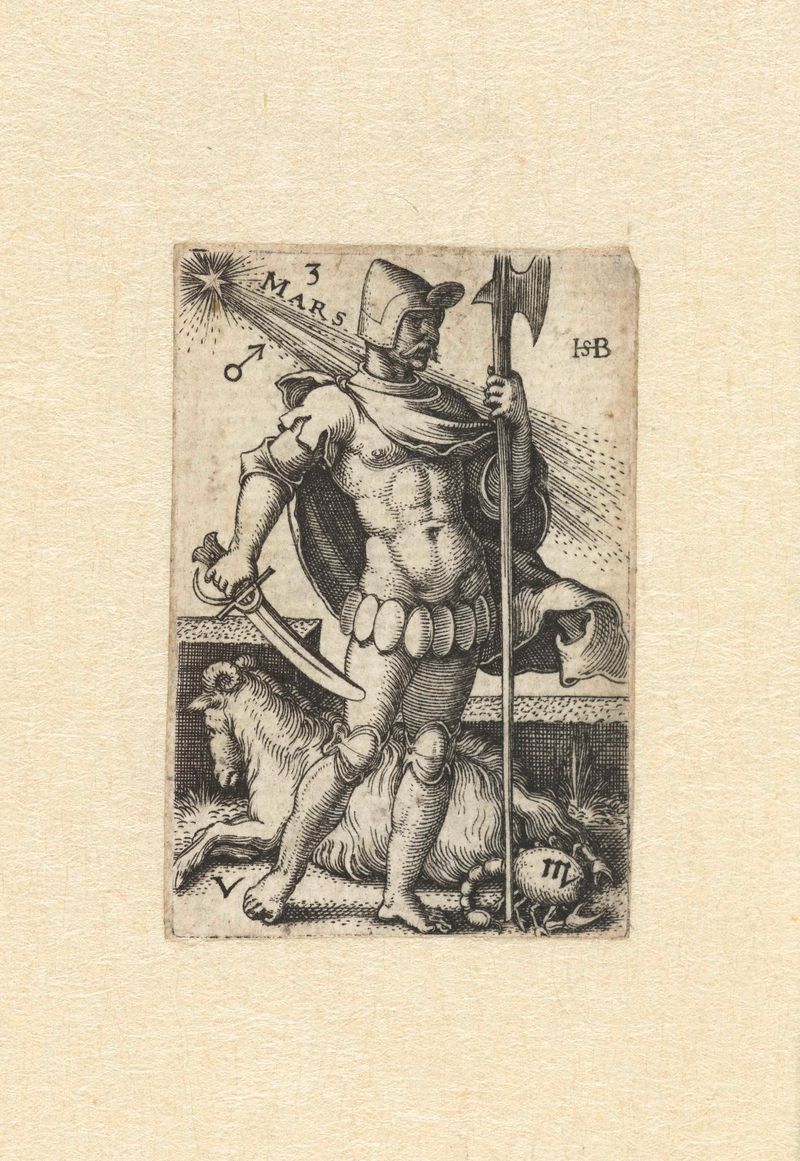
Mars met sterrenbeelden Ram en Schorpioen
Hans Sebald Beham

Achilles in gevecht met Hector
Hans Sebald Beham
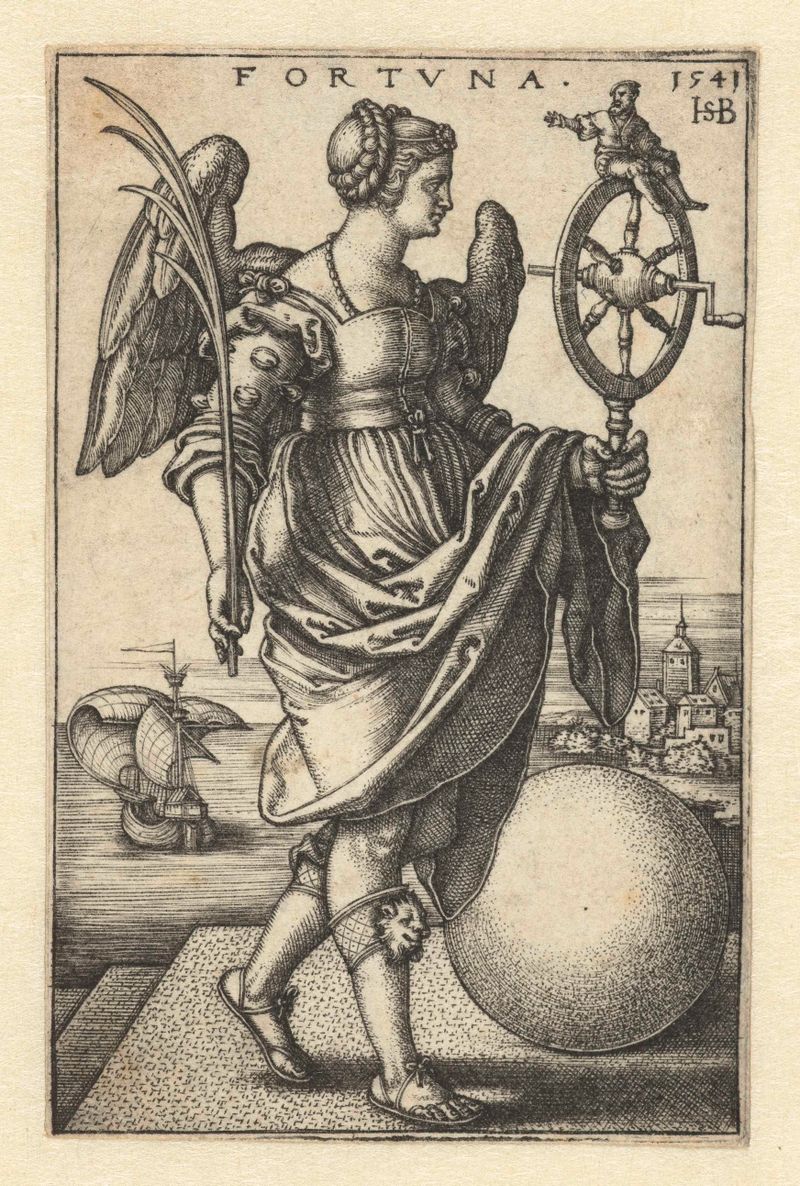
Fortuna
Hans Sebald Beham

Hercules worstelt met Antaeus
Hans Sebald Beham

Twee muzikanten met schalmey en doedelzak
Hans Sebald Beham

Voorzichtigheid (Prudentia)
Hans Sebald Beham

Hercules in gevecht met de Trojanen
Hans Sebald Beham
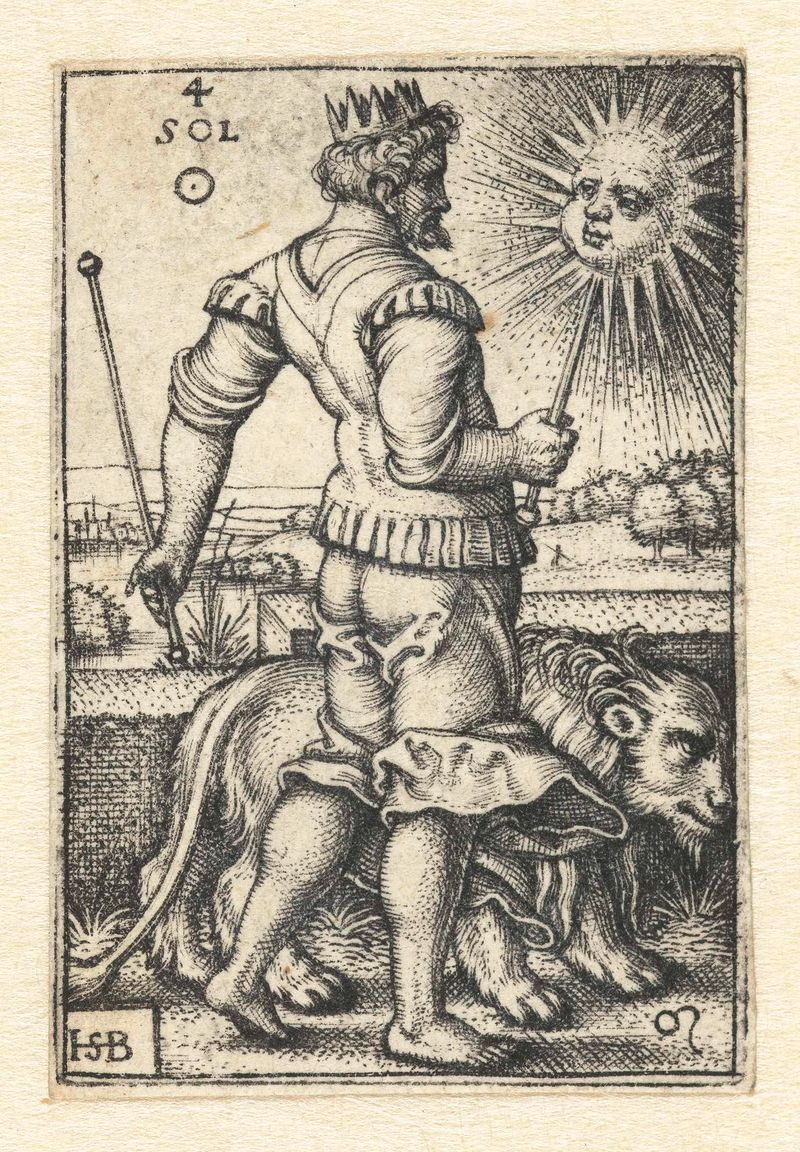
Apollo (Sol) met sterrenbeeld Leeuw
Hans Sebald Beham
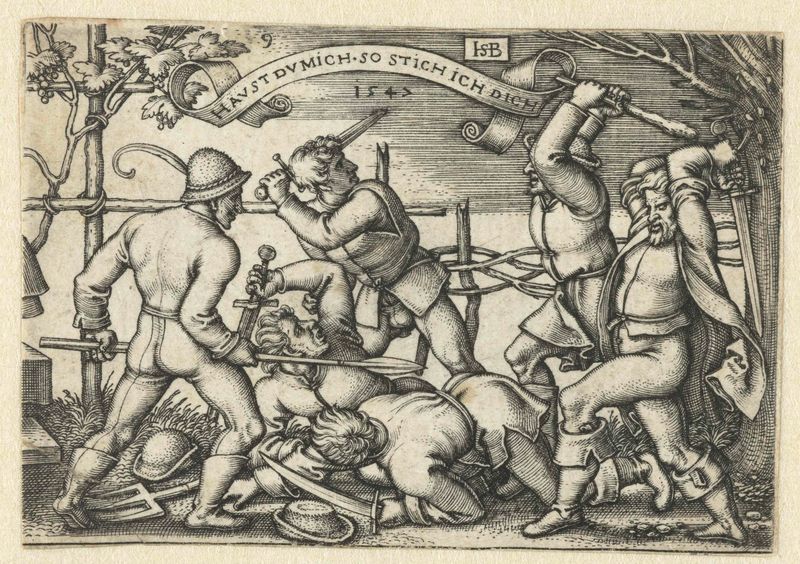
Vechtende boeren met zwaarden
Hans Sebald Beham
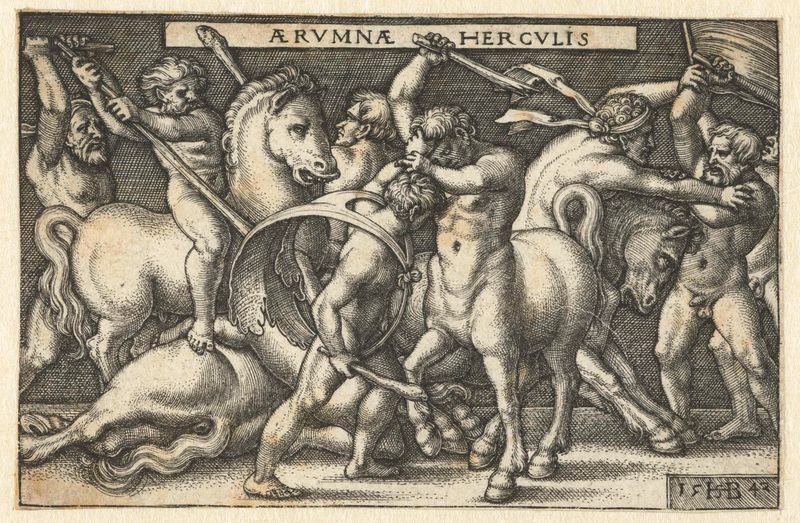
Hercules in gevecht met centaurs
Hans Sebald Beham
More Religious Art
Browse all →
The Return of the Prodigal Son
Rembrandt van Rijn

The Garden of Earthly Delights
El Bosco

Count Orgaz’ funeral
El Greco

The Hundred Guilder Print: the central piece with Christ preaching, the plate arched
Rembrandt van Rijn

The Descent from the Cross
Rogier van der Weyden

The return of the prodigal son
Rembrandt van Rijn