Herder en herderin met vee bij avondlicht — History & Facts
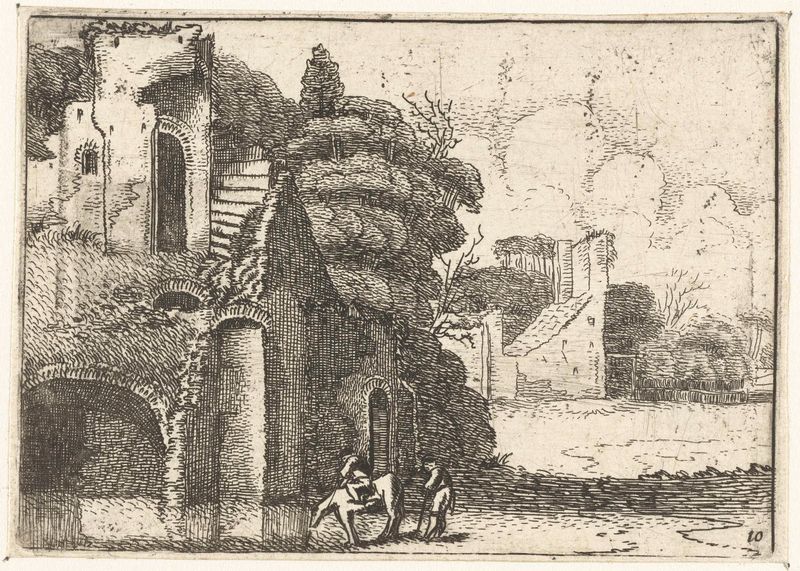
Did the painter know this moment would outlive them? The evening light softens the landscape, wrapping both the herder and herding woman in a warm embrace, whispering of their unspoken desires — for connection, for tranquility, for a fleeting sense of eternity. Look to the left at the tender figures, gently guiding their flock against the backdrop of an expansive twilight sky. The brushstrokes create a delicate interplay of light and shadow, accentuating the serene expressions on their faces. Notice how the deep blues and warm oranges meld together, evoking a sense of peace, while the silhouetted forms of sheep blend into the dusk, drawing our attention to the serene rhythm of their labor. Beneath the surface, a tension brews between duty and longing.
The herder’s steady gaze contrasts with the female figure’s more contemplative stance—an embodiment of yearning for a life beyond the pastures. The subtle use of color and light captures the bittersweet essence of rural existence, hinting that such moments, though simple, are layered with complexities of desire and fate. In 1622, Jan van de Velde (II) painted this scene while living in the Netherlands, a time marked by a flourishing art scene as the Dutch Golden Age began to unfold. His work reflects the era's shift towards realism and the portrayal of everyday life, capturing the deep connection between humanity and nature that would resonate for centuries.