Herfst (Autumnus), met sterrenbeelden — History & Facts
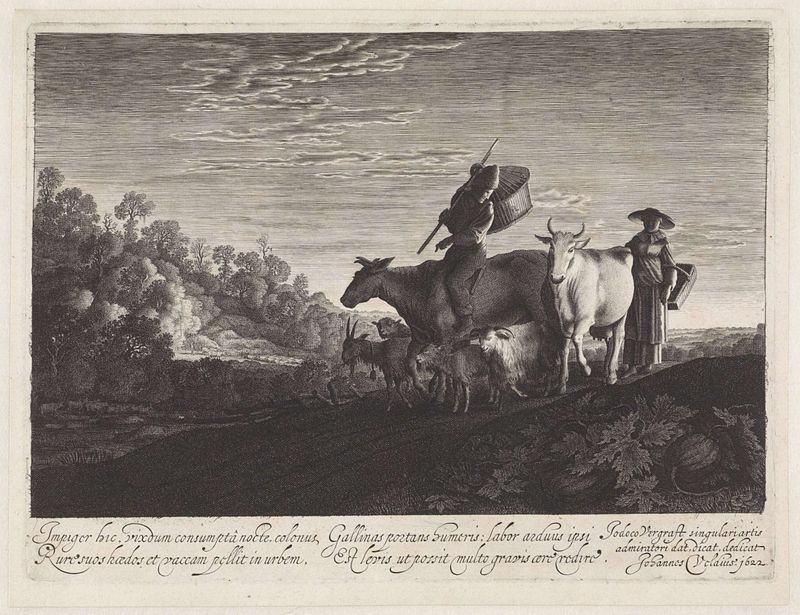
When did color learn to lie? In a world where hues can mask truths and illusions dance upon the canvas, the intricate beauty of Herfst (Autumnus), met sterrenbeelden invites us to peel back the layers of perception. Focus first on the vibrant palette that envelops the scene. Notice how the golden yellows and deep oranges of autumn leaves intertwine with the cool blues and silvery whites of the celestial bodies above. The composition seamlessly juxtaposes the terrestrial and the celestial, leading the eye from the grounded figures beneath the arching branches to the starry heavens that beckon from above.
Each stroke of the brush conveys both a meticulous precision and an ethereal quality, allowing the viewer to feel the very essence of autumn's transition. Delving deeper, the contrasting elements of this work reveal an interplay of decay and renewal. The stark yet soft juxtaposition of the seasonal demise of the leaves against the endless cosmos suggests a cyclical nature of existence. The autumn colors, vibrant yet fleeting, encapsulate a moment of beauty before the inevitable stillness of winter arrives, while the stars remain constant—symbolizing hope and continuity amid change.
Here, one cannot help but reflect on the passage of time as both a friend and adversary. Painted in 1617, during a period of flourishing artistic development in the Northern Netherlands, this work by Jan van de Velde (II) embodies a profound shift in the portrayal of nature and human experience. Emerging from a society enriched by trade and exploration, the artist captured not only the seasonal beauty but also the collective consciousness of a world in transition, where art became a vehicle for both reflection and aspiration.