
Herself — History & Facts
In Herself, the essence of nostalgia is captured in a moment suspended between past and present, evoking the bittersweet nature of memory. Look to the left at the figure of a young woman, her gaze both direct and introspective. The soft yet assertive brushstrokes create a fluidity that embodies her complexity. Notice how the warm, muted tones of her attire contrast with the coolness of the background, establishing a serene yet charged atmosphere.
The light gently caresses her features, illuminating the subtle play of emotion on her face, and drawing the eye to the delicate curvature of her neck as it mirrors her thoughtful posture. Delve into the emotional depths of the painting, where the woman's expression holds a story untold. Her poised demeanor suggests confidence intertwined with vulnerability, an invitation to ponder the layers of her experience. The interplay of light and shadow accentuates the tension between her stillness and the dynamic world around her, hinting at a history that lingers just out of reach.
The setting, though simple, accentuates the inner life of the subject, allowing viewers to reflect on their own forgotten moments. In 1913, Robert Henri painted Herself during a period marked by his pivotal role in the Ashcan School movement, which sought to depict the rawness of everyday life. Living in New York City, Henri was emerging as a key figure in American art, advocating for the representation of the individual and the immediacy of personal experience. This work echoes the artistic desire to document the fleeting nature of identity and history, rooted in a context of both cultural transformation and artistic experimentation.
More Artworks by Robert Henri
Browse all →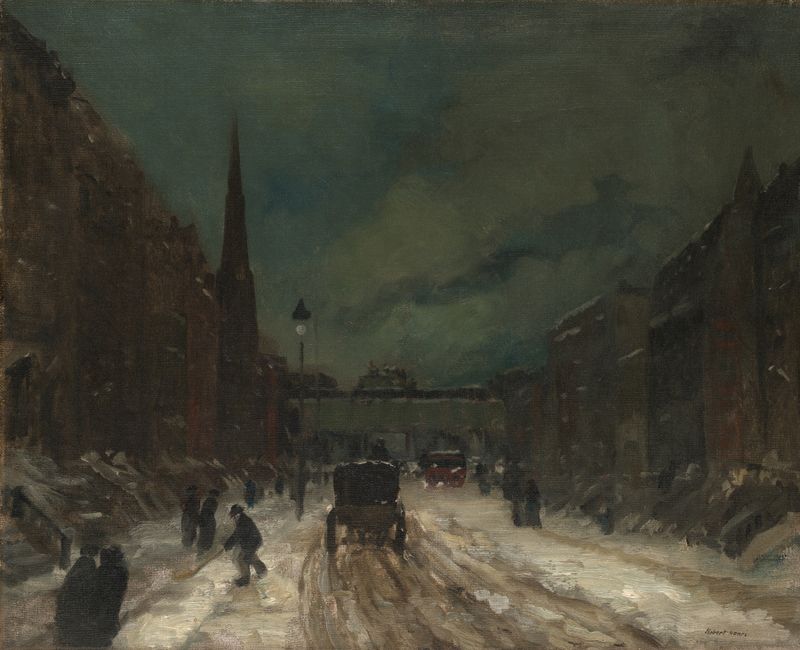
Street Scene with Snow (57th Street, NYC.)
Robert Henri
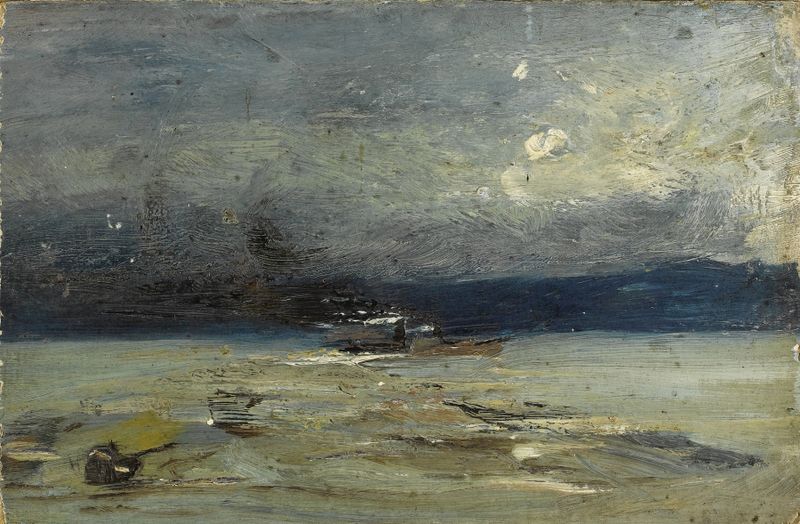
On the Hudson River
Robert Henri
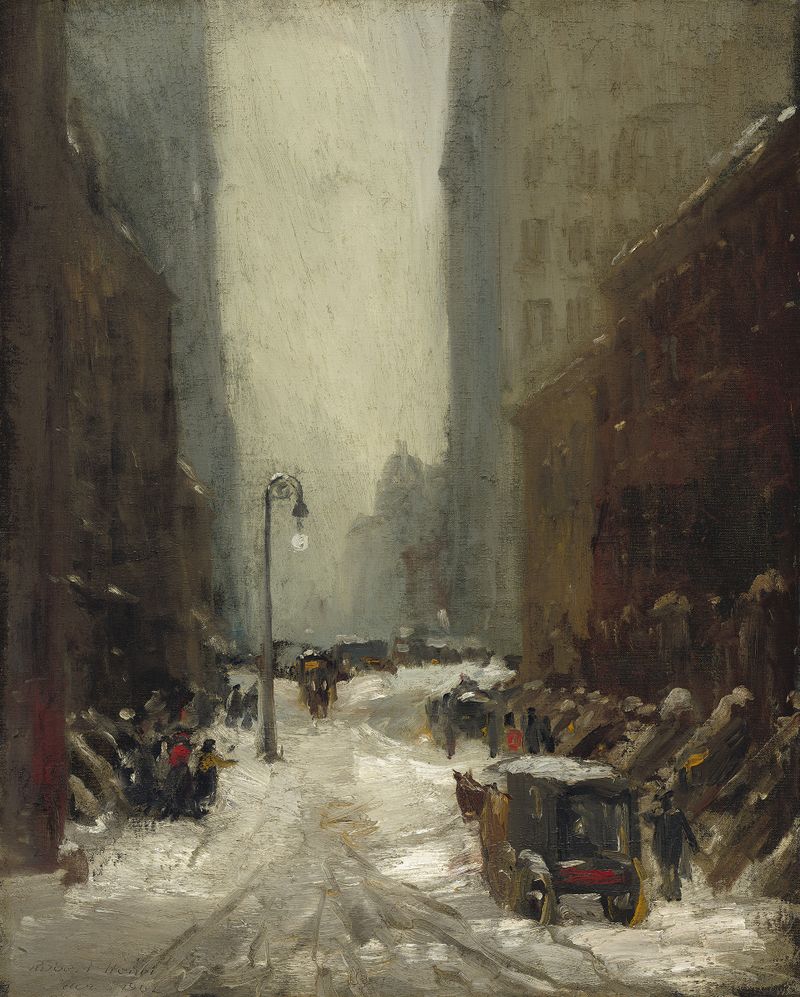
Snow in New York
Robert Henri
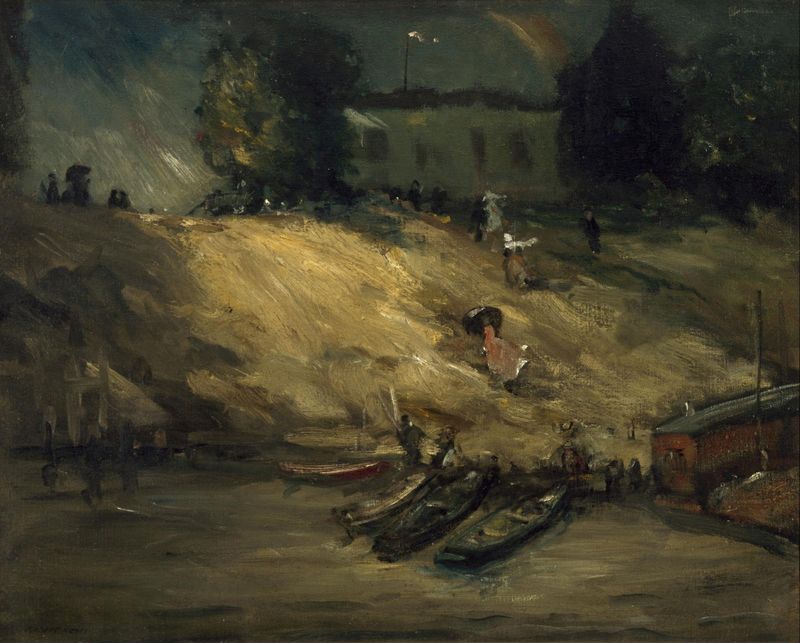
Sudden Shower
Robert Henri
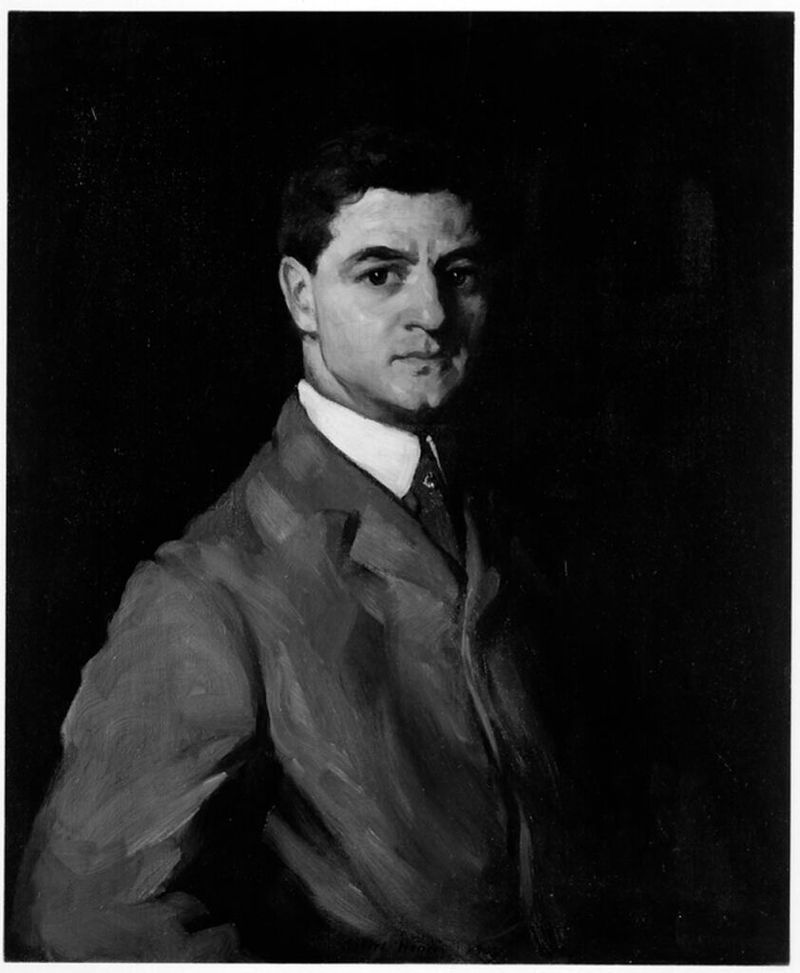
Carleton Eldredge Noyes (1872-1950)
Robert Henri
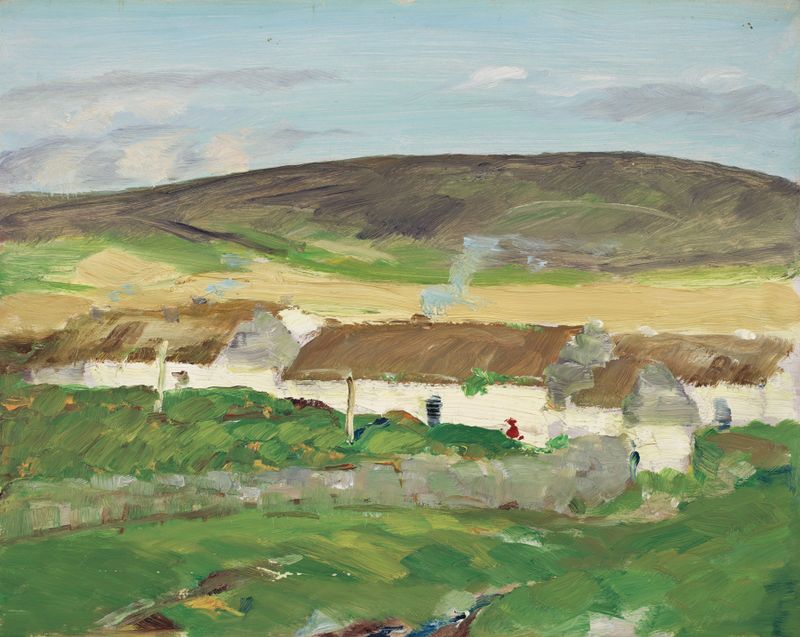
The White Cottage, Ireland
Robert Henri
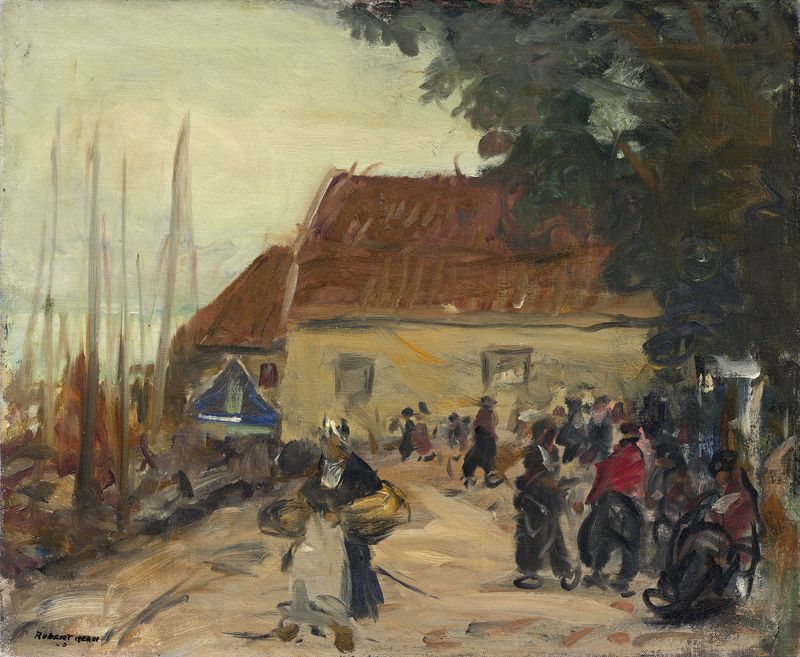
Volendam Street Scene
Robert Henri

Young Woman in Black
Robert Henri
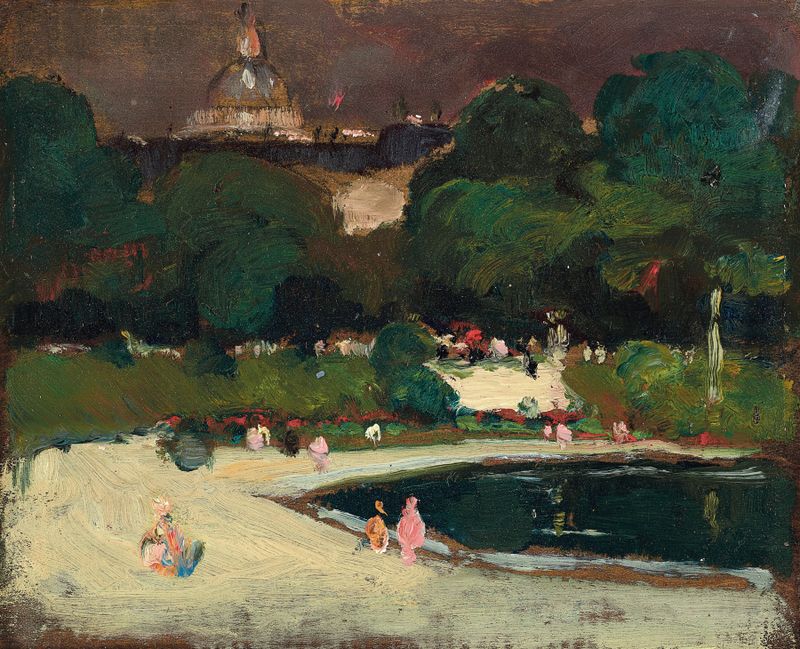
Luxembourg Gardens, Stormy Sky
Robert Henri
Sea Cliffs
Robert Henri
More Portrait Art
Browse all →
Las meninas
Diego Velázquez

Self-portrait with a Bandaged Ear and Pipe
Unidentified artist

Girl with a Pearl Earring
Johannes Vermeer

The Sampling Officials of the Amsterdam Drapers’ Guild, Known as ‘The Syndics’
Rembrandt van Rijn

The Hundred Guilder Print: the man seen on the back in the lower left corner
Rembrandt van Rijn

Portrait of Dr Gachet
Vincent van Gogh