
Young Woman in Black — History & Facts
In the quiet depths of Young Woman in Black, a profound sense of emptiness envelops the viewer, evoking contemplations of solitude and quiet introspection. An absence lies at the heart of this striking portrait, beckoning us to explore the emotions captured within its rich layers. Look to the center of the canvas, where the figure of the young woman commands attention. Her dark attire, an elegant garment draping gracefully across her form, absorbs the surrounding light, casting a somber aura.
Notice the soft shadows that outline her serene face, highlighting the gentle curve of her jaw and the thoughtful gaze that seems to reach beyond the confines of the frame. The muted palette, dominated by deep blacks and soft grays, emphasizes the emotion of stillness, allowing the viewer to become enveloped in her quiet world. Within the painting lies a contrast between the weight of her clothing and the lightness of her presence, suggesting a tension between external appearance and internal experience. The gentle tilt of her head invites curiosity about her thoughts, while her downcast eyes hint at a deeper loneliness, a yearning that resonates universally.
The careful brushwork suggests not just form but also a vivid emotional landscape, where stillness gives birth to untold stories. Henri painted Young Woman in Black in 1902 during a time when he was deeply engaged with the Ashcan School movement in New York, focusing on capturing the raw essence of everyday subjects. At this point in his career, the artist was evolving his style, exploring the interplay of light and shadow while addressing themes of modern life and identity. The world around him was rapidly changing, yet he sought to portray the human experience with sincerity and depth, reflecting a broader search for meaning in a complex, urban environment.
More Artworks by Robert Henri
Browse all →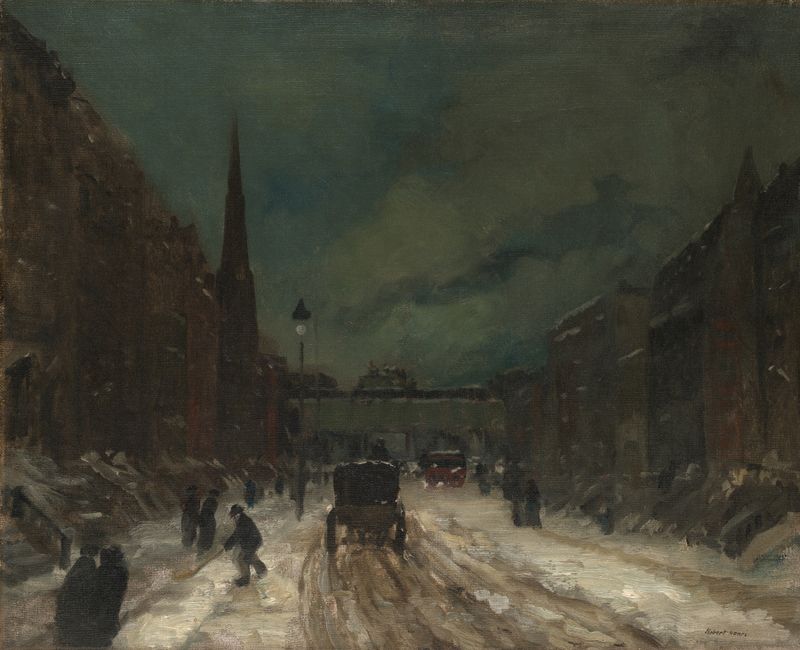
Street Scene with Snow (57th Street, NYC.)
Robert Henri
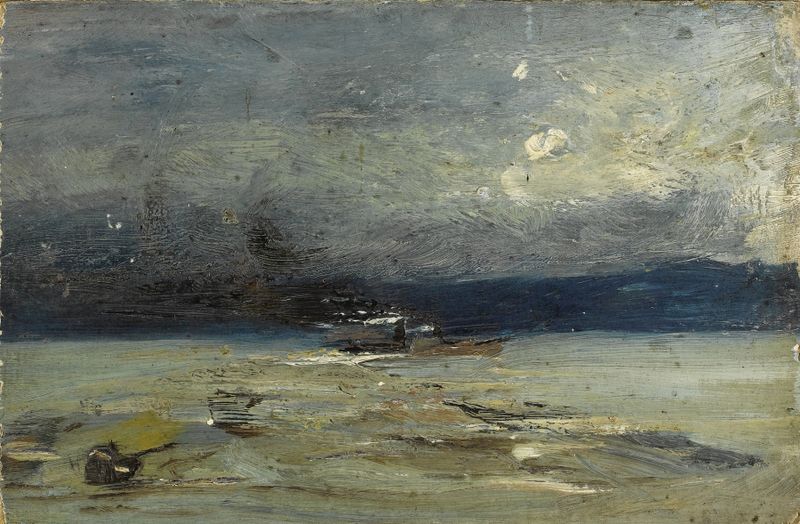
On the Hudson River
Robert Henri
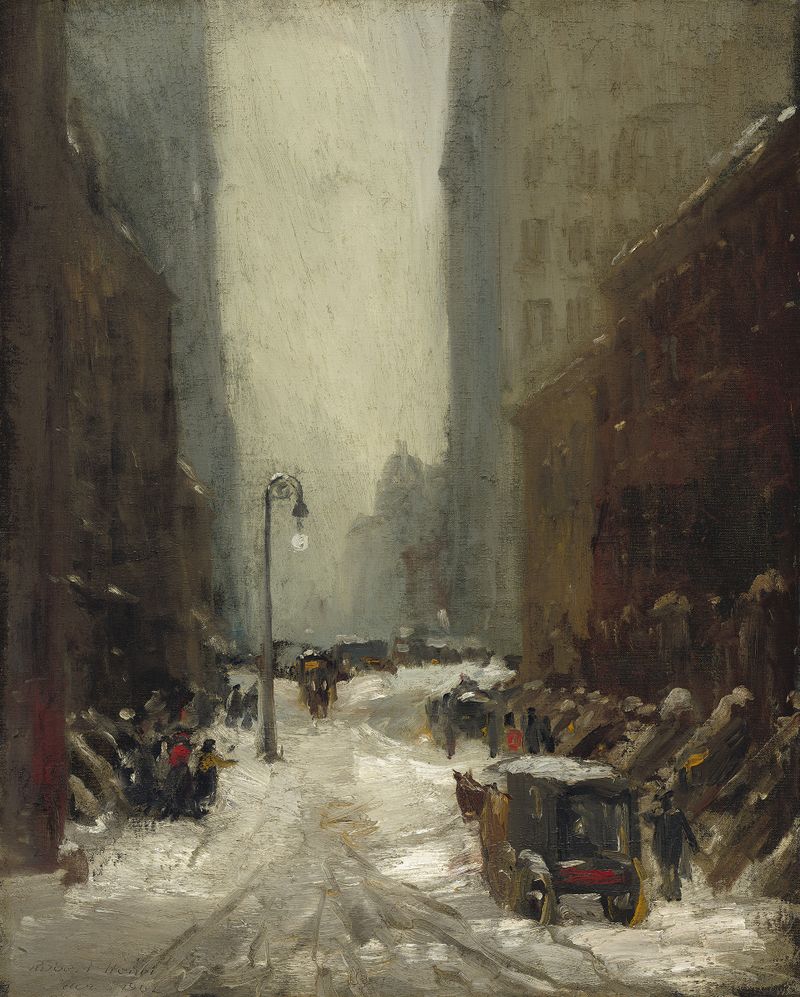
Snow in New York
Robert Henri
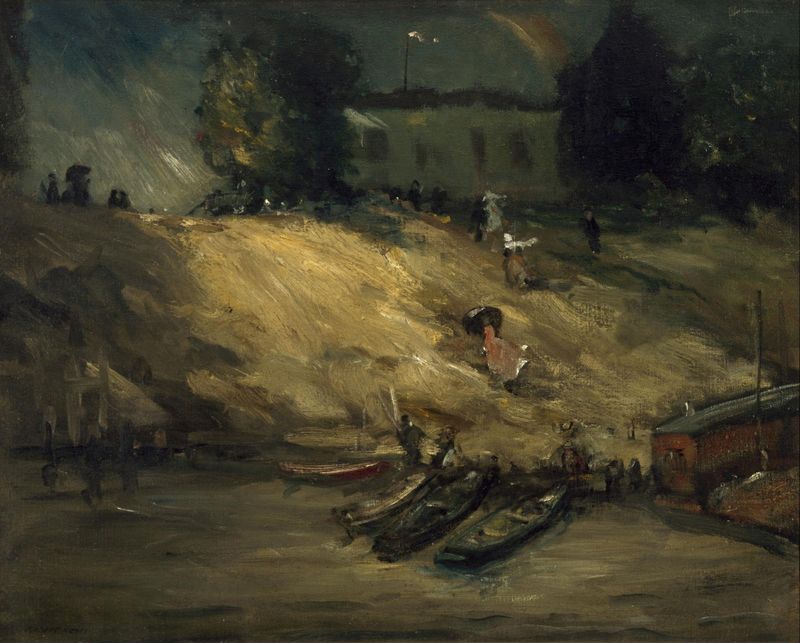
Sudden Shower
Robert Henri
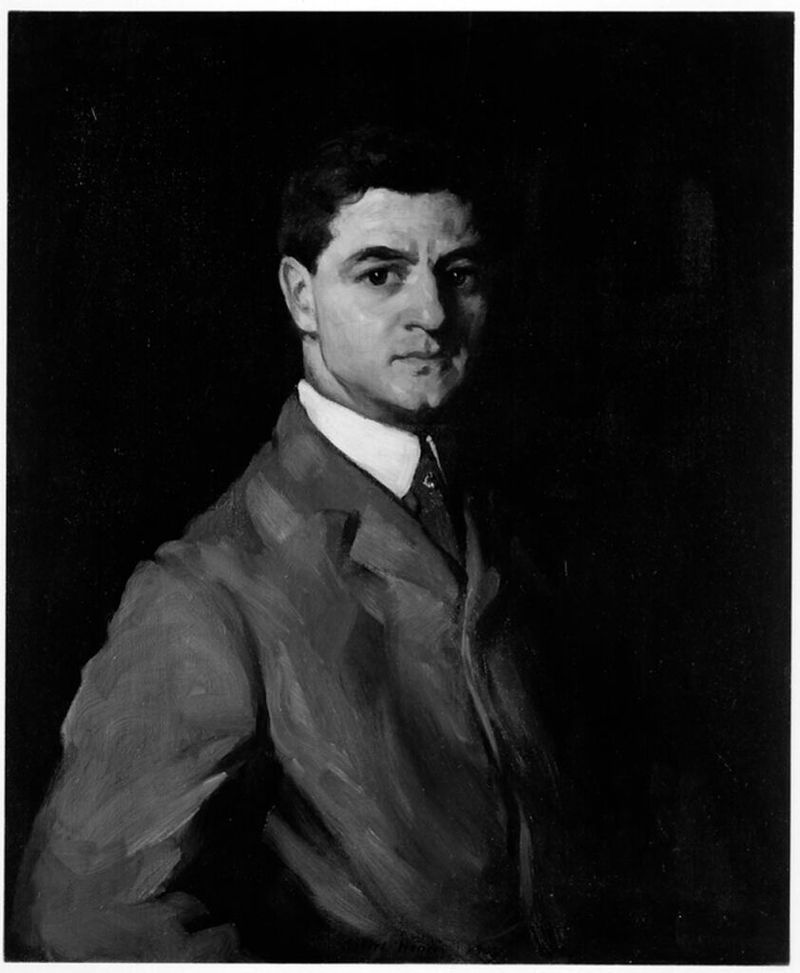
Carleton Eldredge Noyes (1872-1950)
Robert Henri
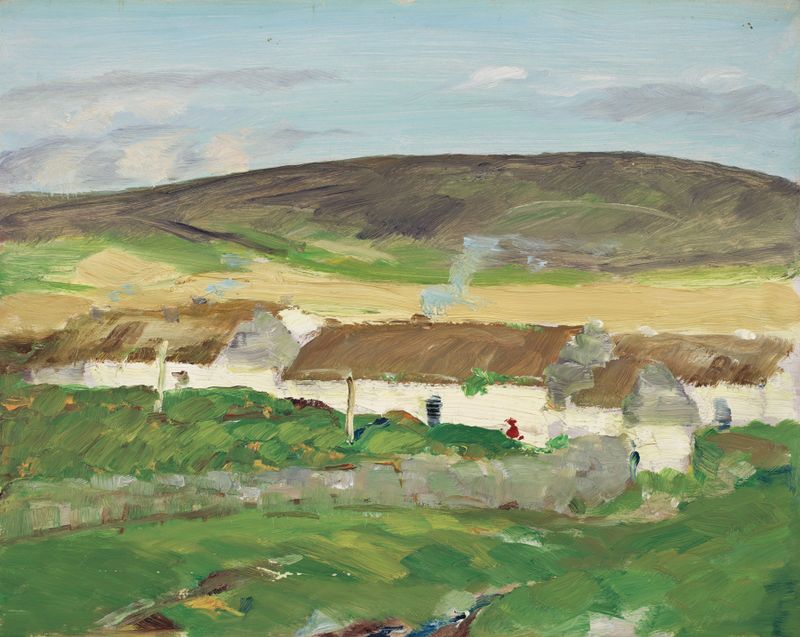
The White Cottage, Ireland
Robert Henri
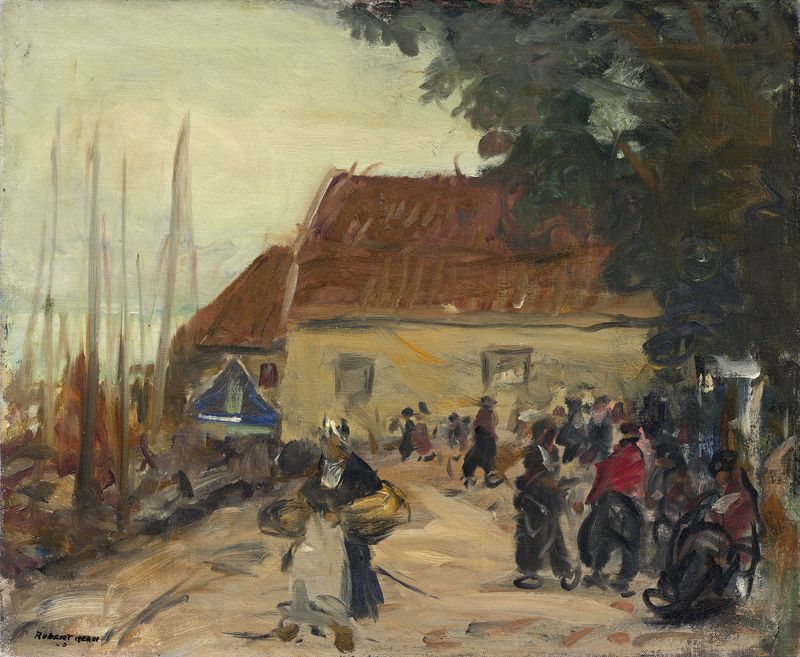
Volendam Street Scene
Robert Henri

Herself
Robert Henri
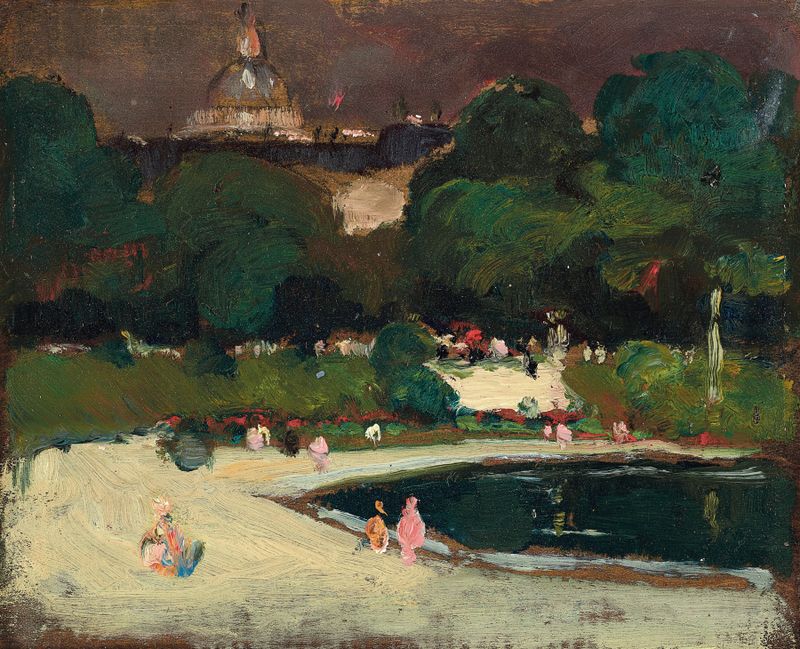
Luxembourg Gardens, Stormy Sky
Robert Henri
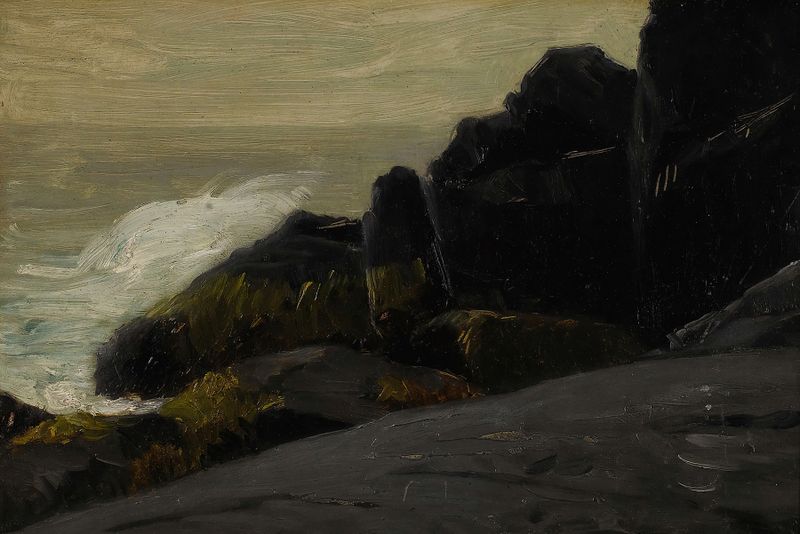
Sea Cliffs
Robert Henri
More Portrait Art
Browse all →
Las meninas
Diego Velázquez

Self-portrait with a Bandaged Ear and Pipe
Unidentified artist

Girl with a Pearl Earring
Johannes Vermeer

The Sampling Officials of the Amsterdam Drapers’ Guild, Known as ‘The Syndics’
Rembrandt van Rijn

The Hundred Guilder Print: the man seen on the back in the lower left corner
Rembrandt van Rijn

Portrait of Dr Gachet
Vincent van Gogh