Hertenjacht — History & Facts
The beauty of the hunt, cloaked in serene elegance, enchants the viewer, inviting a moment of introspection amidst the wild. Look to the center where the majestic stag stands poised, a powerful embodiment of nature's spirit. Its antlers reach like the branches of an ancient tree, framed by the gentle touch of verdant foliage. The palette whispers of earthy tones—deep greens juxtaposed with warm browns—creating a harmonious embrace of the wilderness.
Notice how the brushwork dances across the canvas, each stroke meticulously layered, adding depth and fluidity to the animals caught in motion, as if frozen in a moment of grace. Yet, within this serene tableau lies a deeper complexity—a tension between the hunt and harmony. The juxtaposition of the pursuers, lurking in the shadows, speaks to the eternal struggle between man and nature. The delicate play of light and shadow adds an ethereal quality, suggesting a fleeting moment before chaos disrupts the tranquility.
Each element in this composition—both predator and prey—intertwines, reflecting the intricate balance of life and the inevitability of fate. This piece emerged during a period of transition in the art world, between 1715 and 1735. The artist, whose identity remains unknown, likely painted in a time when the Rococo style began to flourish, emphasizing elegance and playful themes. Amidst changing social norms and the burgeoning interest in depicting the natural world, the artwork captures not just the act of hunting, but an underlying reverence for the wilderness, a reflection of the era's evolving relationship with nature.
More Artworks by Unknown Artist
Browse all →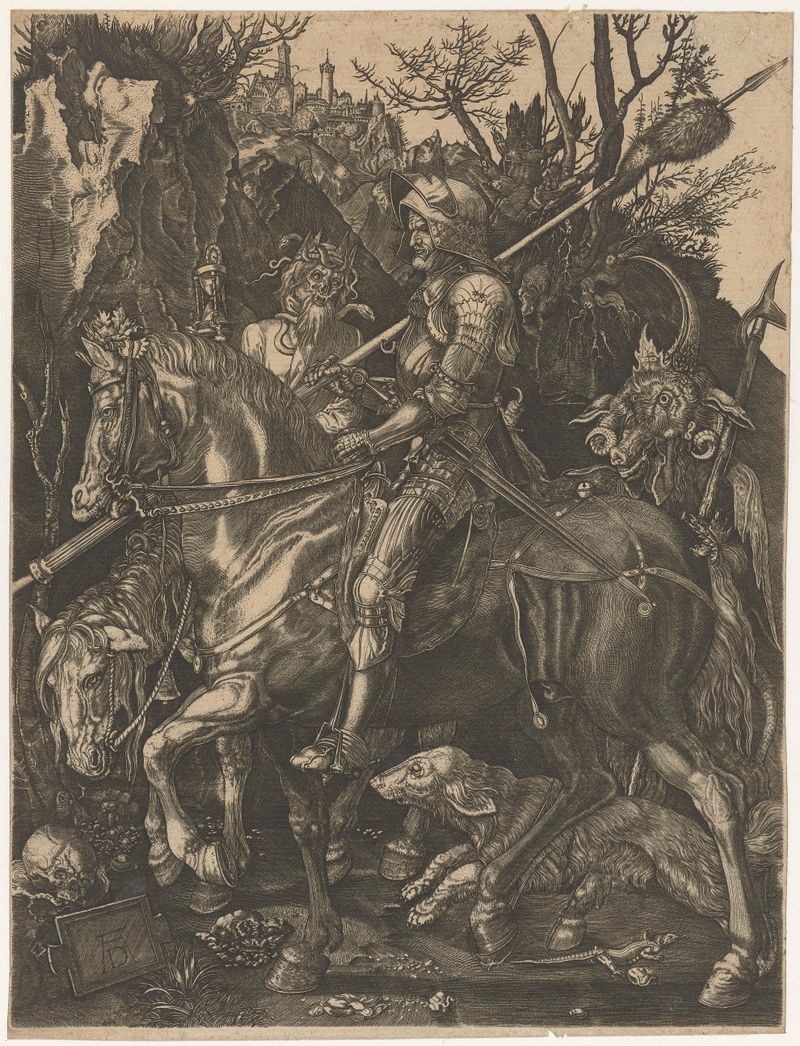
Ridder, Dood en Duivel
Unknown Artist
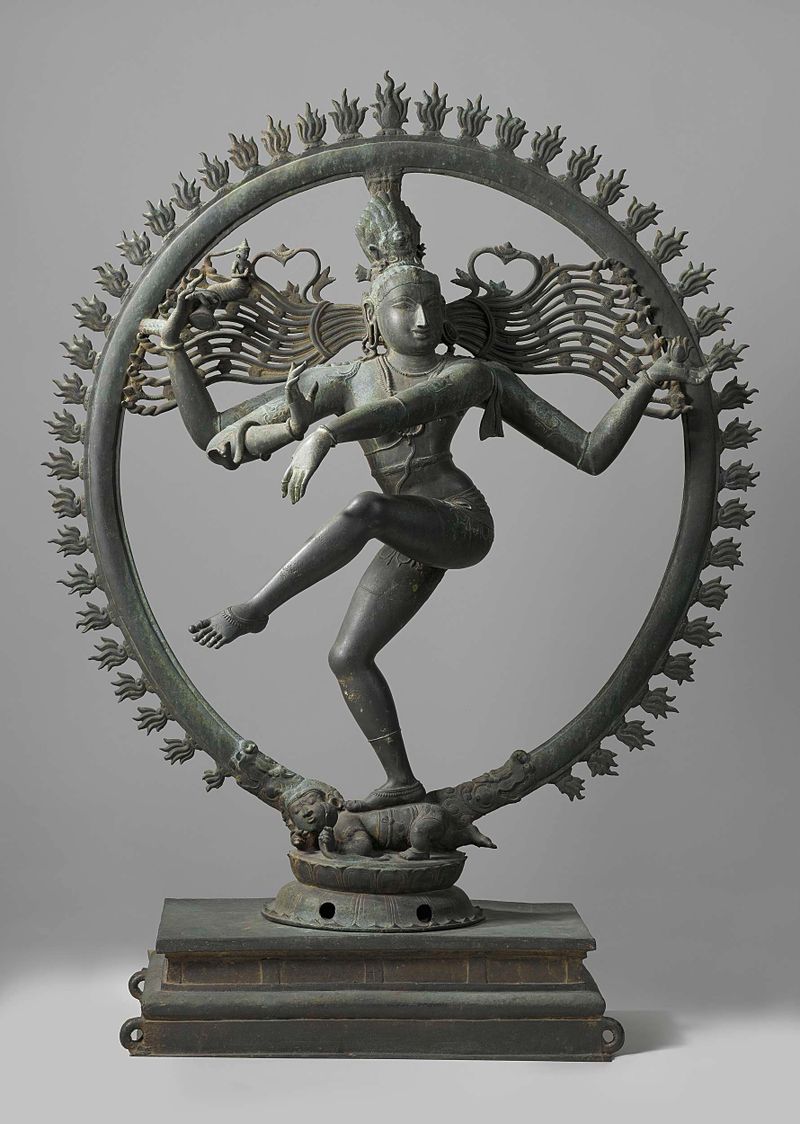
Shiva Nataraja
Unknown Artist
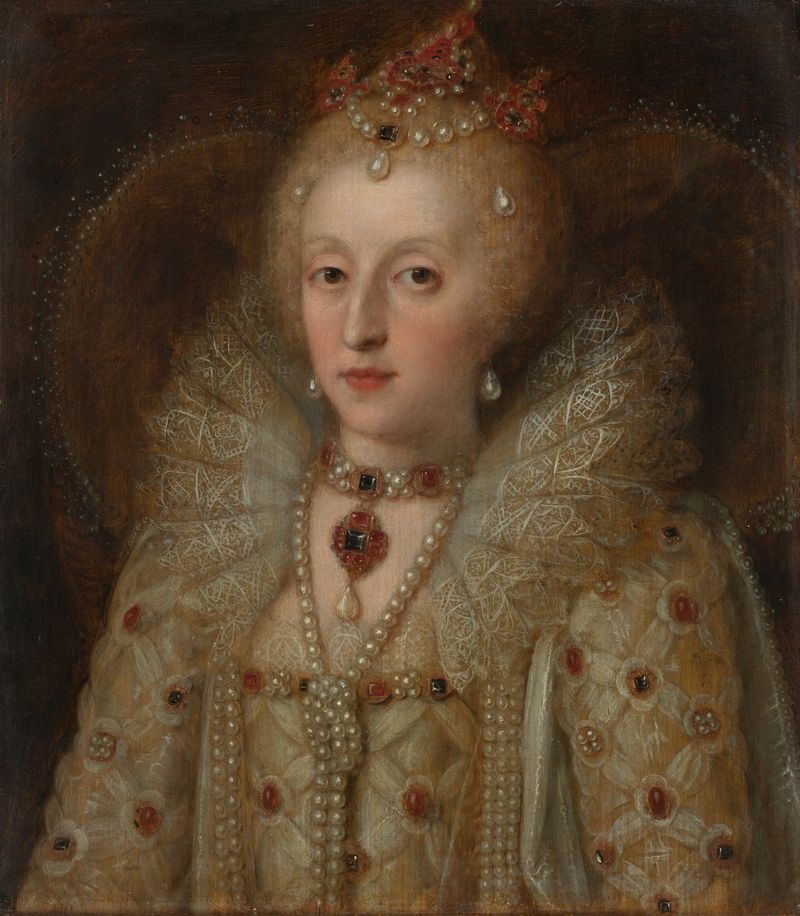
Portrait of Elizabeth I, Queen of England
Unknown Artist
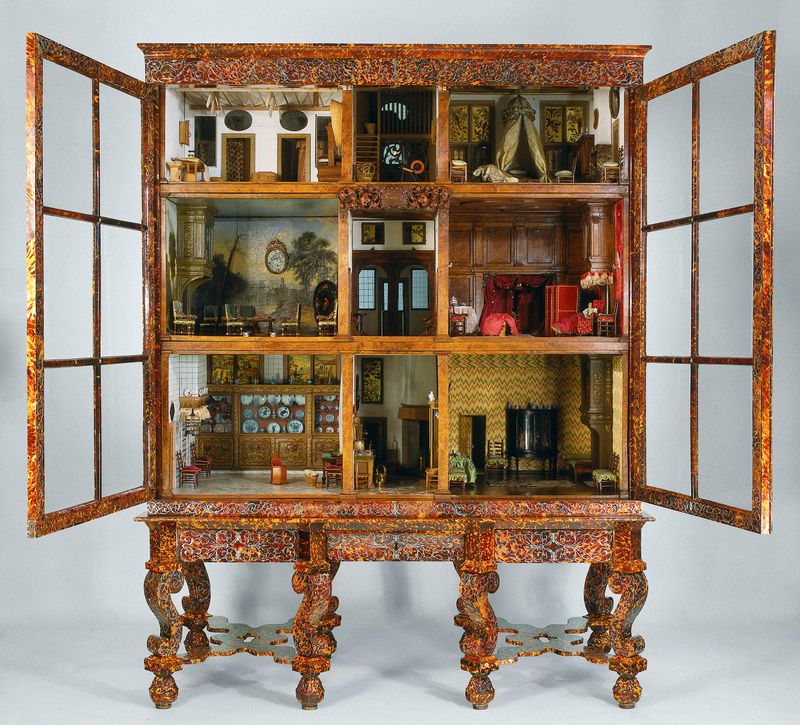
Dolls’ house of Petronella Oortman
Unknown Artist
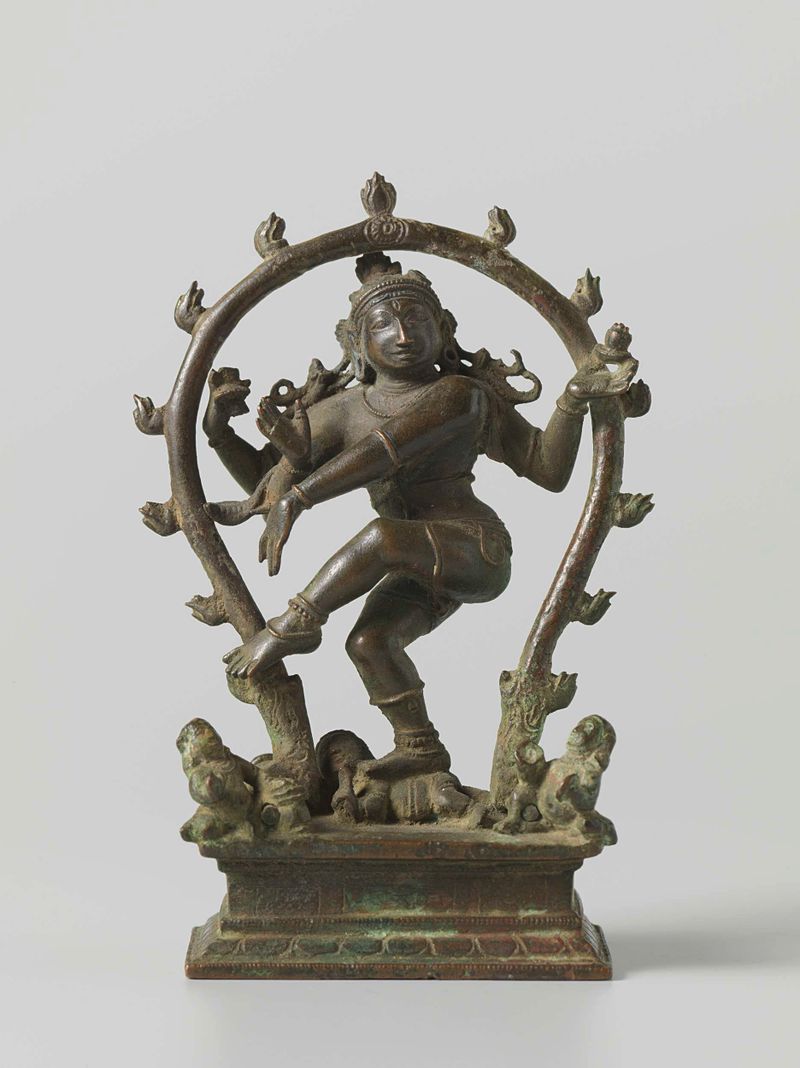
Shiva Nataraja
Unknown Artist

The Tale of Genji
Unknown Artist

The Tale of Genji
Unknown Artist

Cong
Unknown Artist
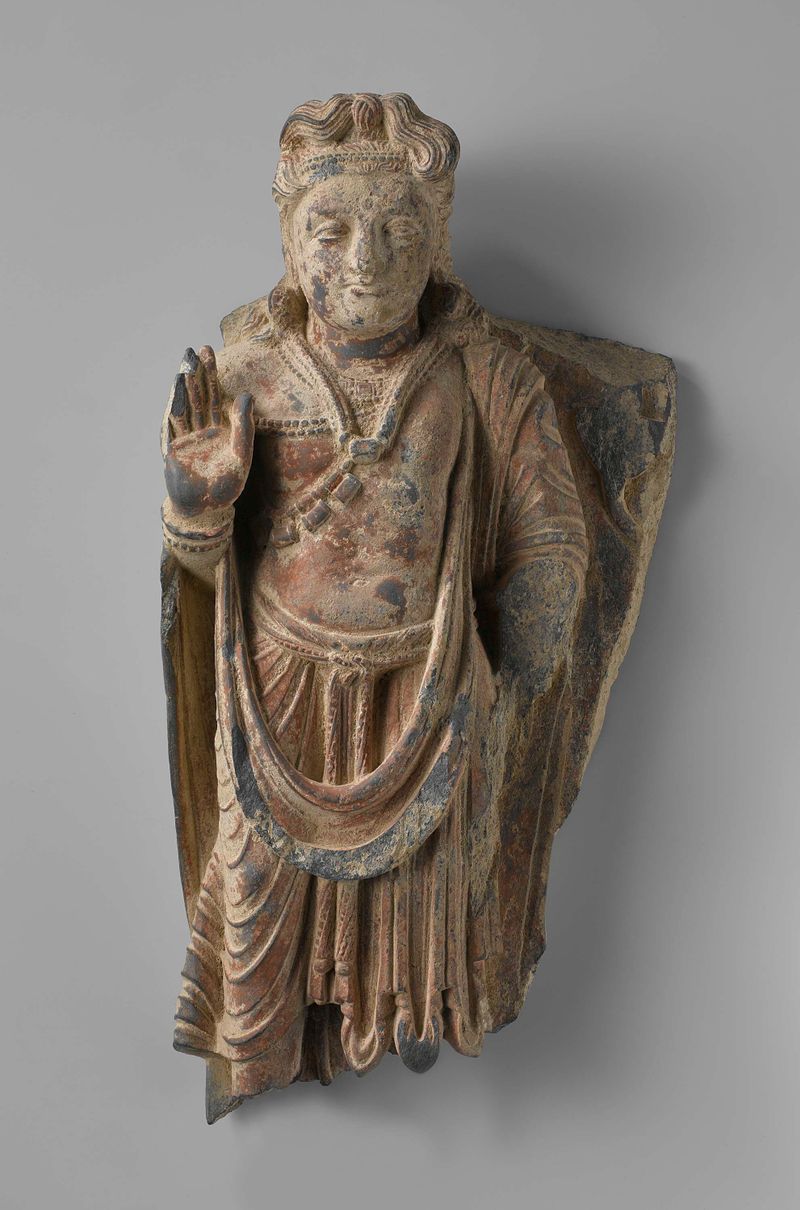
The bodhisattva Maitreya
Unknown Artist

Teabowl with a 'hare's fur' glaze
Unknown Artist