
Het Slot te Heemstede — History & Facts
In the delicate brushstrokes of Het Slot te Heemstede, the essence of obsession is captured. The artist’s gaze fixates on a moment that echoes through time, a snapshot of beauty intertwined with the fleeting nature of existence. Look to the left at the grand facade of the castle, where the intricate architecture stands resolute against the backdrop of a soft, pastel sky. Notice how the light falls upon the stone, illuminating its details—each window reflecting the world beyond while also echoing the solitude of its walls.
The carefully arranged greenery encircles the structure, creating a harmonious dialogue between nature and human creation, inviting the viewer to step into this serene landscape. Within this stillness lies an undercurrent of tension: the contrast between the enduring castle and the ephemeral sky hints at the passage of time. The lush foliage, vibrant yet inevitable in its decay, serves as a reminder of nature's relentless march forward. Each carefully rendered detail beckons an emotional response, provoking thoughts on what remains and what is lost, intertwining beauty with a whisper of melancholy. In 1801, Milatz painted this serene landscape while living in the Netherlands during a time when Romanticism's influence was surging through Europe.
He sought to capture the emotional depth of his surroundings, reflecting a growing fascination with nature and its role in art. This period marked a shift in artistic expression, as artists increasingly turned to whimsy and personal connection, setting the stage for future explorations of obsession and memory.
More Artworks by Franciscus Andreas Milatz
Browse all →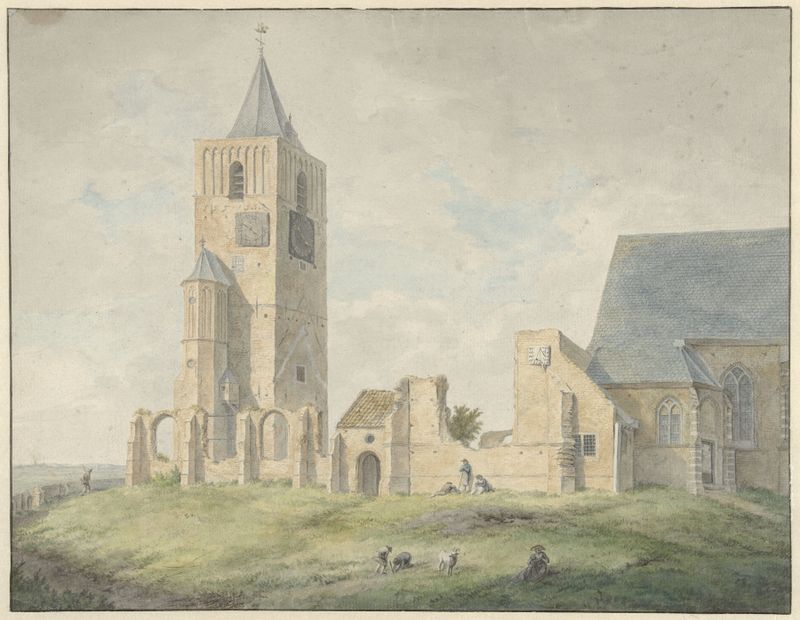
Ruïne van de kerk te Warmond
Franciscus Andreas Milatz
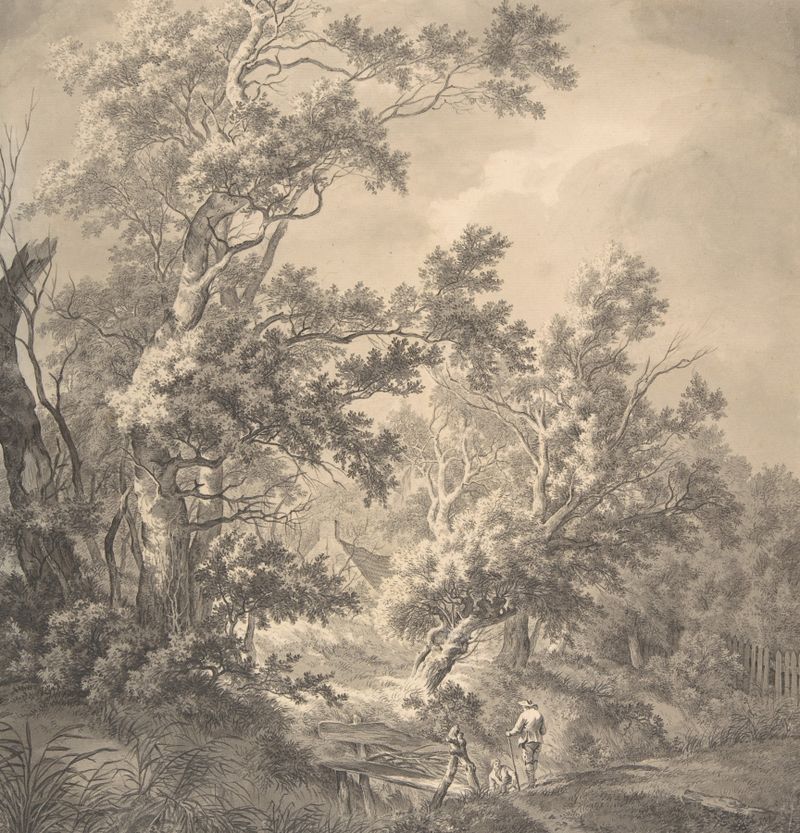
Landscape with a House Hidden Between Trees and Two Men Near a Small Bridge
Franciscus Andreas Milatz

Am Waldesrand zwei ruhende Bauern bei einem Hühnerkorb
Franciscus Andreas Milatz
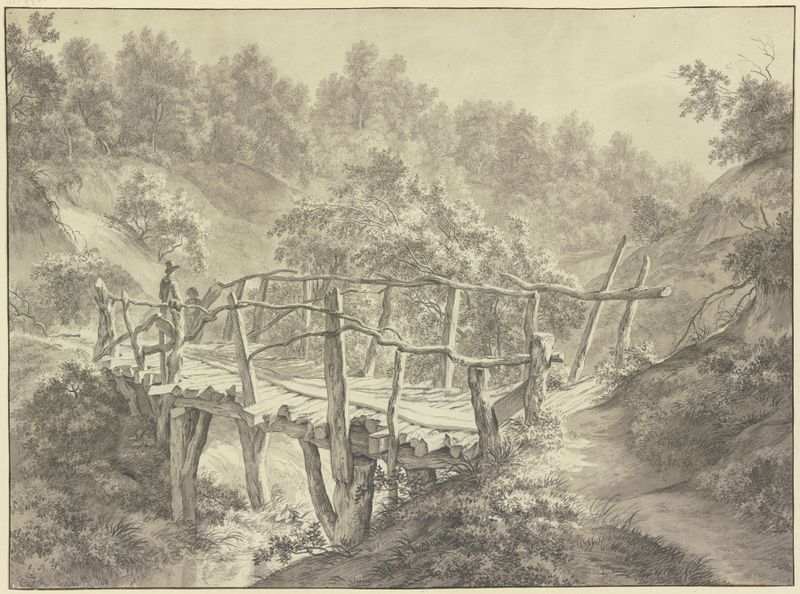
Prügelbrücke über einem Waldbach
Franciscus Andreas Milatz
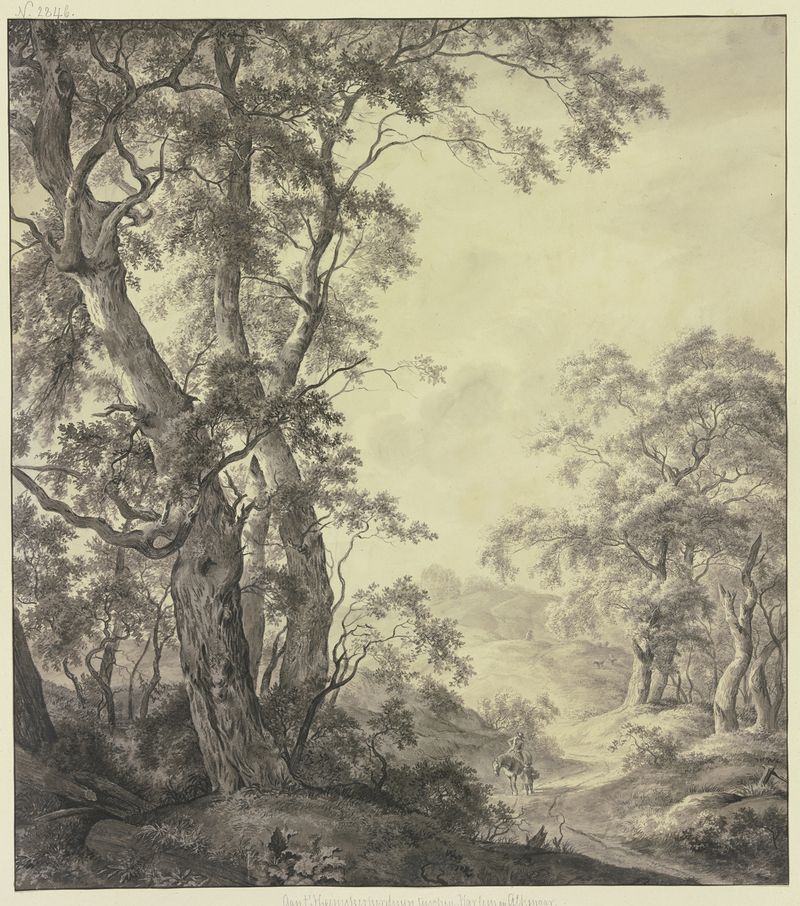
Zwischen Bäumen durch zieht ein Weg auf einen Hügel, auf demselben ein Reiter im Gespräch mit einem Fußgänger
Franciscus Andreas Milatz

Op Schoote buyten Haarlem
Franciscus Andreas Milatz
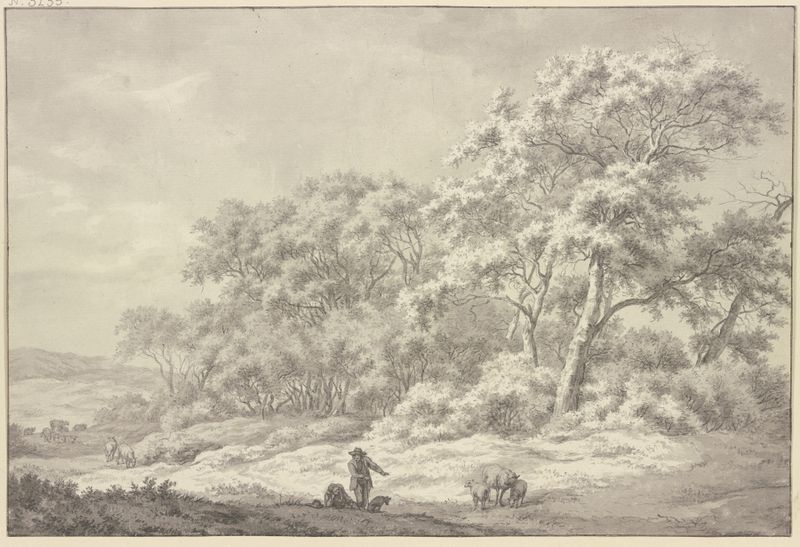
Am Waldesrand einige Schafe, vorn zwei Hirten und ein Hund
Franciscus Andreas Milatz
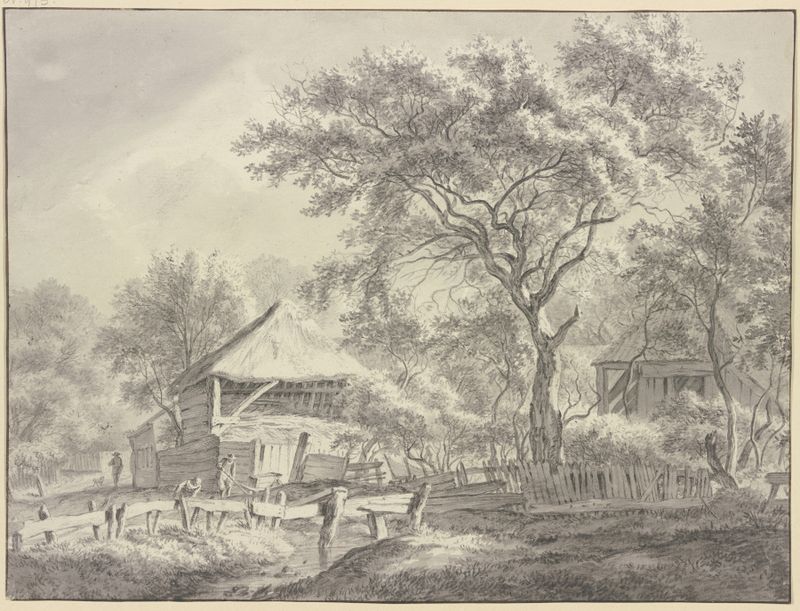
Gehöft unter Bäumen bei Haarlem
Franciscus Andreas Milatz
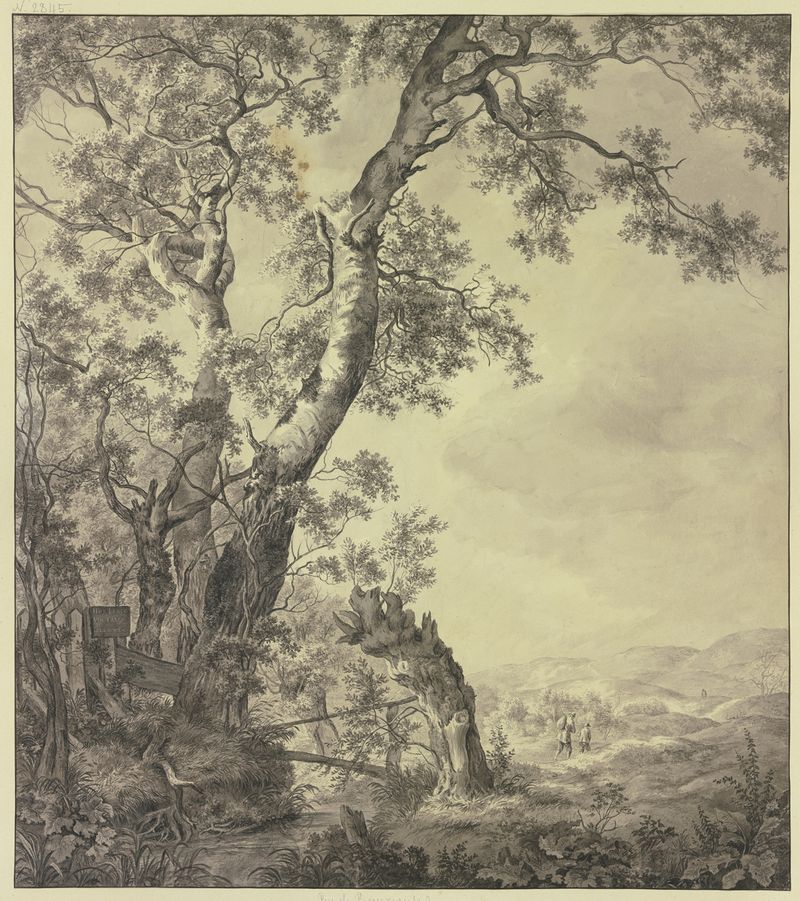
Links eine Baumgruppe mit einer Einzäunung, an der ein Warnschild befestigt ist
Franciscus Andreas Milatz

Boerenuitspanning te Overveen
Franciscus Andreas Milatz





