
Boerenuitspanning te Overveen — History & Facts
In this artwork, balance is not merely a technique; it is a guiding philosophy intertwined with the essence of daily life. One can’t help but wonder how harmony shapes our existence, much like the carefully arranged elements within this piece. Focus on the serene landscape that unfolds before you. Look to the left, where gentle hills cradle the rustic farm, their soft greens and browns blending seamlessly into the sky.
Notice how Milatz employs a delicate palette that whispers of tranquility, inviting viewers to wander into the idyllic scene. The farmstead, with its inviting structure and thatched roof, stands as a testament to a humble yet fulfilling life, while the soft light casts gentle shadows that dance along the earth, enhancing the peaceful atmosphere. As you explore the details, think about the contrasts present: the vibrant hues of nature juxtaposed with the subdued tones of the dwelling, representing the balance between human life and the natural world. The flowing lines of the trees and fields draw the eye towards the horizon, suggesting an endless cycle of sustenance and renewal.
Here, the artist captures not just a moment in time but the rhythm of life itself, where every element plays its part in a harmonious existence. During the years this work was created, from 1774 to 1808, Milatz was based in the Netherlands, a period marked by the decline of the Dutch Golden Age and the rise of Romanticism. This era was characterized by an increasing appreciation for rural life and a nostalgic longing for simpler times, which influenced the artist's choice of subject matter and stylistic approach. As he painted, the world around him was undergoing significant change, yet he remained grounded in the serene beauty of his surroundings.
More Artworks by Franciscus Andreas Milatz
Browse all →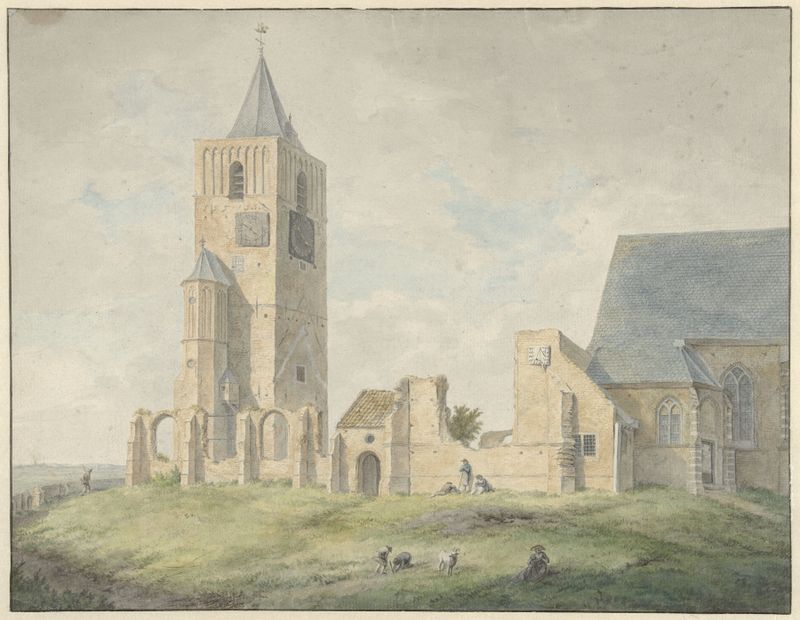
Ruïne van de kerk te Warmond
Franciscus Andreas Milatz
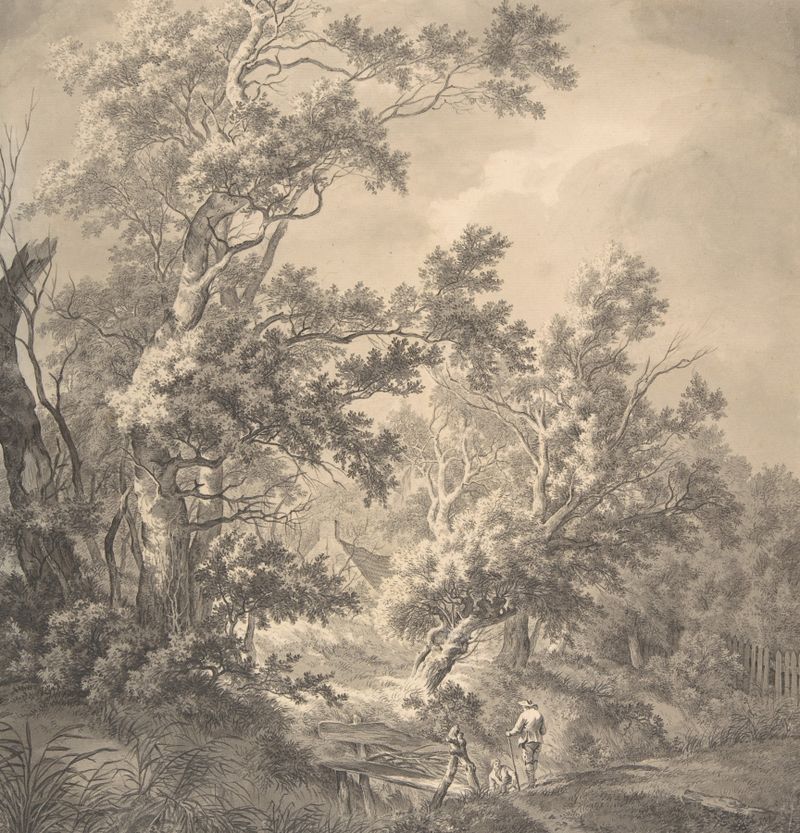
Landscape with a House Hidden Between Trees and Two Men Near a Small Bridge
Franciscus Andreas Milatz

Am Waldesrand zwei ruhende Bauern bei einem Hühnerkorb
Franciscus Andreas Milatz
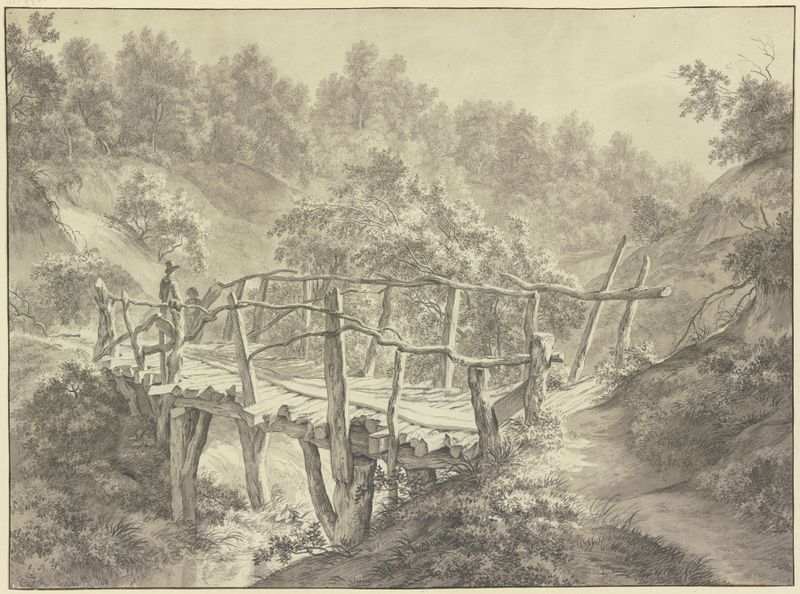
Prügelbrücke über einem Waldbach
Franciscus Andreas Milatz
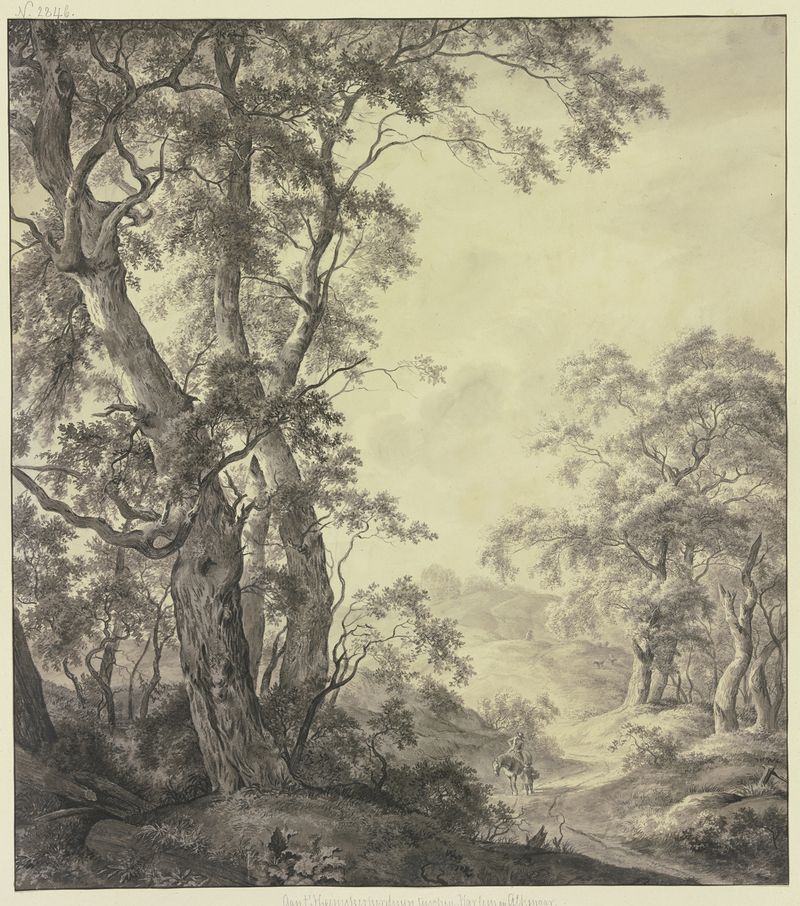
Zwischen Bäumen durch zieht ein Weg auf einen Hügel, auf demselben ein Reiter im Gespräch mit einem Fußgänger
Franciscus Andreas Milatz
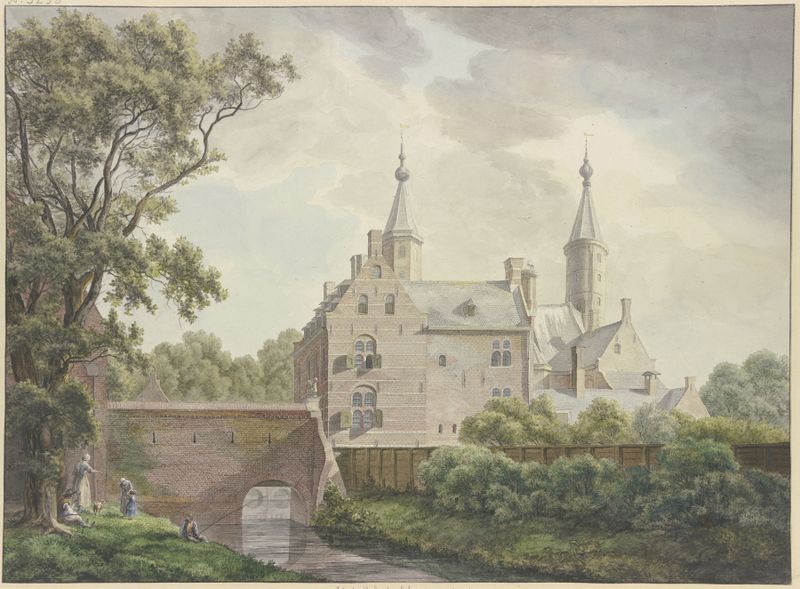
Het Slot te Heemstede
Franciscus Andreas Milatz

Op Schoote buyten Haarlem
Franciscus Andreas Milatz
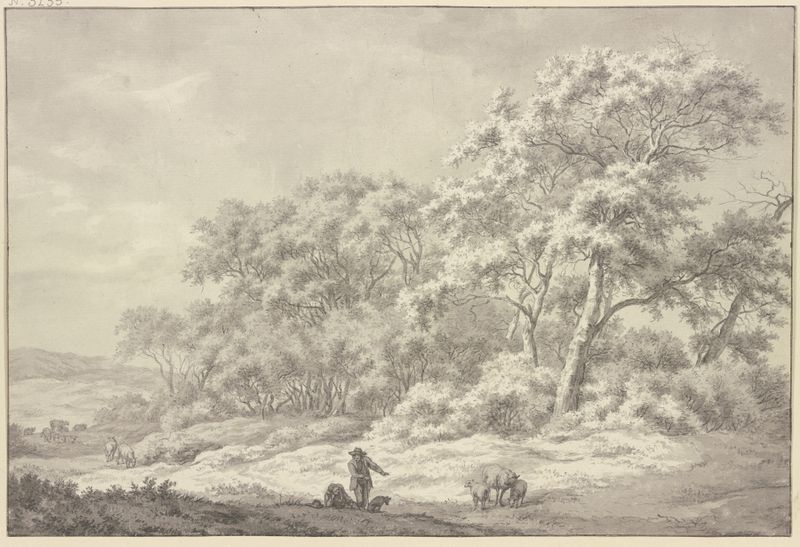
Am Waldesrand einige Schafe, vorn zwei Hirten und ein Hund
Franciscus Andreas Milatz
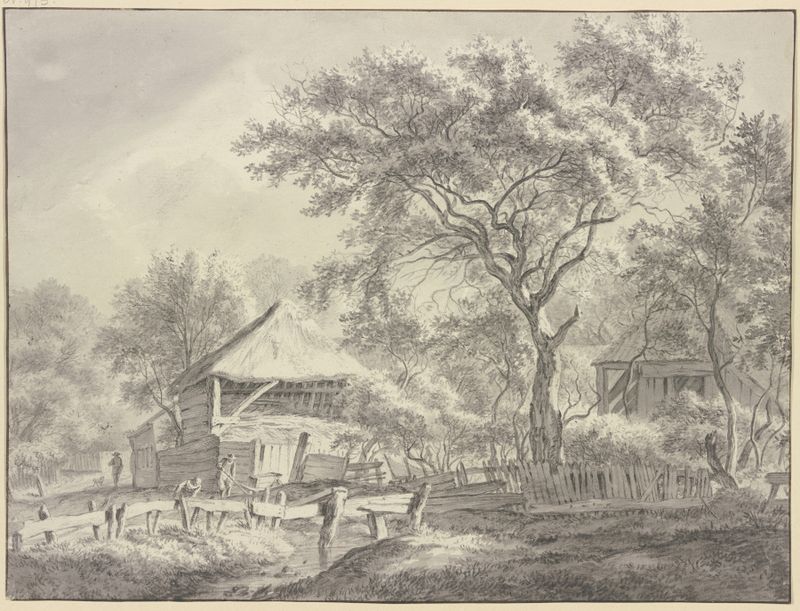
Gehöft unter Bäumen bei Haarlem
Franciscus Andreas Milatz
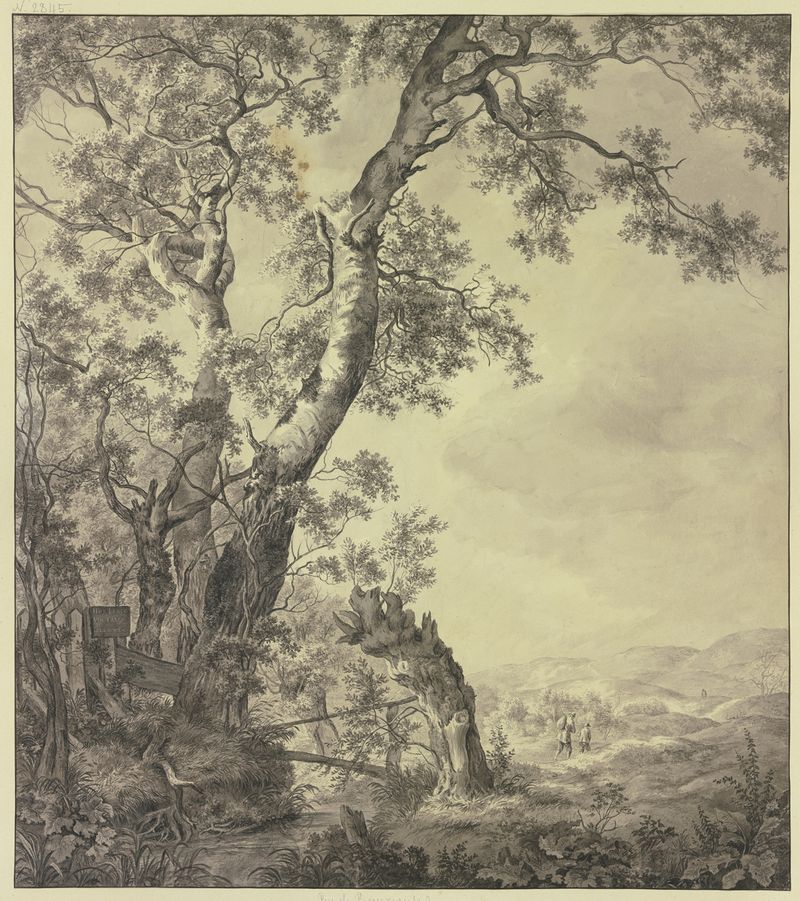
Links eine Baumgruppe mit einer Einzäunung, an der ein Warnschild befestigt ist
Franciscus Andreas Milatz





