Höll; Vor dem Haus im Winter — History & Facts
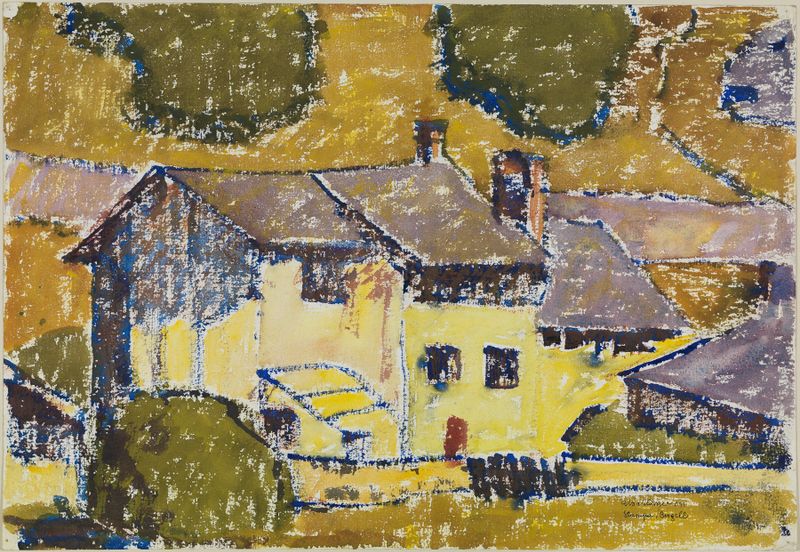
In the stillness of an empty winter scene, the spaces between the brushstrokes echo with an unsettling void. Here, we confront the inevitable silence of nature, a reflection of our own inner landscapes that often go unexamined. Focus on the foreground, where a desolate pathway unfurls like an invitation into the chill of winter. Each gentle brushstroke embodies the texture of snow blanketing the ground, while delicate shadows hint at the unseen presence of a house shrouded in frosted branches.
The cool palette of whites and muted grays creates a somber yet tranquil atmosphere, compelling the viewer to step closer and listen to the whispers of the landscape. The absence of human figures transforms this scene into a meditation on solitude. The blankness of the canvas resonates with feelings of isolation and introspection, compelling us to confront our own voids. Moreover, the juxtaposition of the dark house against the bright snow mirrors the tension between warmth and cold, safety and exposure—an invitation to reflect on the dualities that define our existence. August Babberger created Höll; Vor dem Haus im Winter in the early 20th century, during a period of significant change in the world of art.
Embracing the tonal restrictions of winter, he sought to explore themes of emptiness and solitude in his surroundings. At this time, he was deeply influenced by contemporary movements that emphasized emotional depth, resulting in a work that communicates both a sense of place and a profound sense of absence.