
Hochgebirgslandschaft — History & Facts
In the serene solitude of nature, a legacy is etched into every stroke of paint. The majesty of the mountains stands timeless, whispering the stories of generations long past and those yet to come. Look closely at the expansive canvas; your gaze is naturally drawn to the jagged peaks that dominate the scene. Notice how the artist employs a palette of muted greens and earthy browns, merging seamlessly with the icy blues that define the distant summits.
The sunlight bathes the landscape in a golden glow, illuminating the valleys below while casting shadows that hint at both mystery and depth. Each element is meticulously placed, inviting you to explore the interplay between the rugged terrain and the gentle sky. Yet, there is more than mere beauty in this work. The contrasts between the solid, imposing mountains and the fragile, lush valleys suggest a dialogue between permanence and ephemerality.
The undulating paths weave through the landscape, symbolizing the journey of life itself—filled with both challenge and tranquility. In this contrast lies an emotional tension, as the viewer contemplates the weight of nature’s grandeur against the fleeting human experience. Adolf Ditscheiner painted Hochgebirgslandschaft between 1880 and 1890, during a period rich with artistic exploration in Europe. Known for his detailed landscapes, Ditscheiner was influenced by the Romantic movement, which celebrated nature's sublime beauty.
At this time, he was navigating his own artistic identity amidst the shift towards Impressionism, capturing not only the breathtaking scenery but also reflecting the emotional landscapes within humanity itself.
More Artworks by Adolf Ditscheiner
Browse all →
Die Fraueninsel im Chiemsee
Adolf Ditscheiner
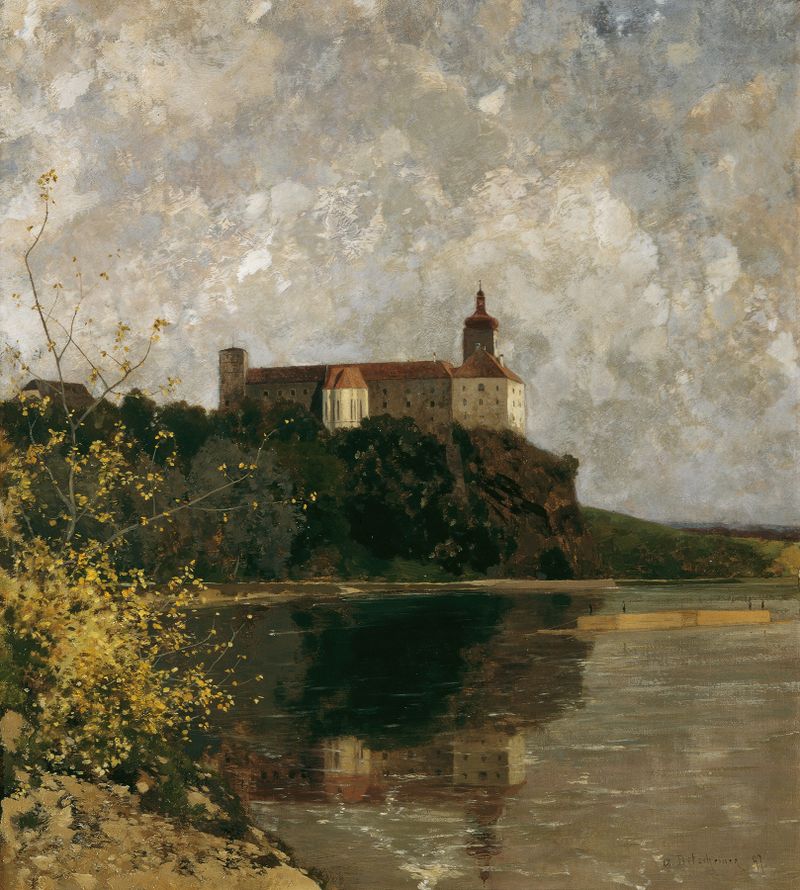
Schloss Persenbeug
Adolf Ditscheiner

Burg Hohensalzburg mit Gaisberg
Adolf Ditscheiner

Wasserspiegel eines Teiches mit Pflanzen
Adolf Ditscheiner
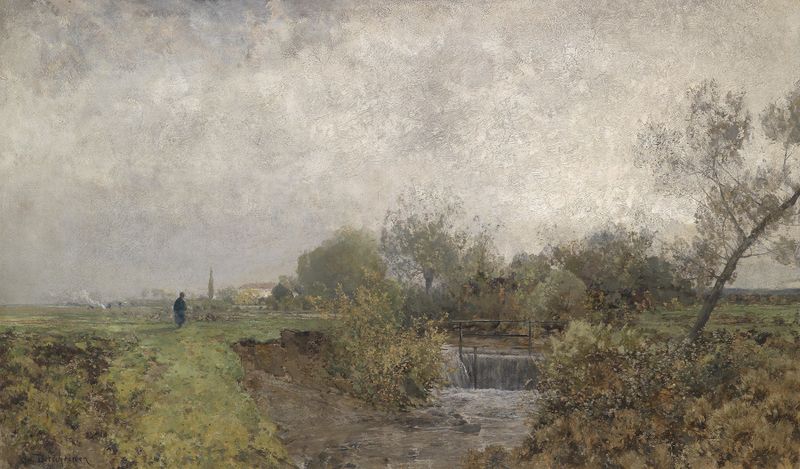
Moorlandschaft
Adolf Ditscheiner

View of Enns on the Danube
Adolf Ditscheiner

Waldtümpel Waldbach
Adolf Ditscheiner
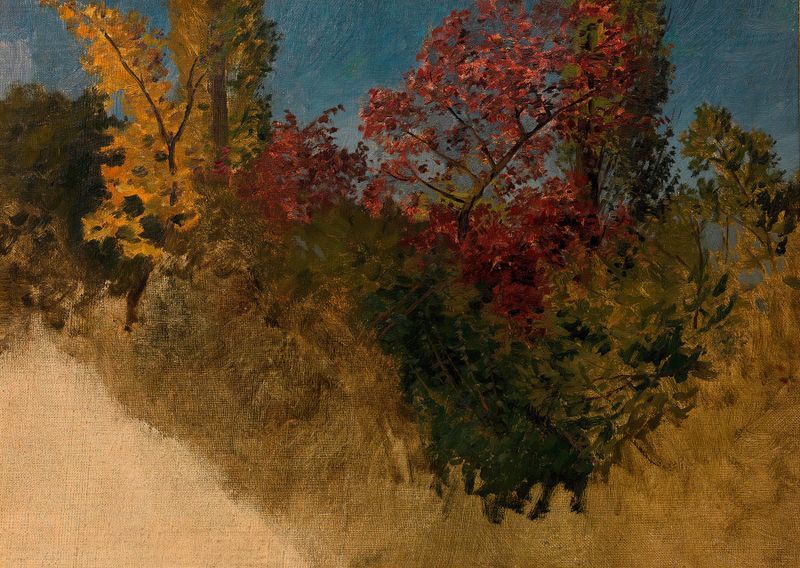
Waldstudie (Bäume und Sträucher)
Adolf Ditscheiner





