
Moorlandschaft — History & Facts
Could beauty survive in a century of chaos? In Moorlandschaft, a tranquil yet vibrant landscape unravels before us, inviting contemplation of nature's ecstasy amidst human turmoil. Look to the foreground, where gentle undulations of the moorland stretch out under a shifting sky, painted with layers of muted greens and browns. The brushwork dances delicately, suggesting the movement of grass swaying in the breeze. Notice how the ethereal light filters through the clouds, casting a soft glow on the water's surface, which reflects the rich hues—a delicate interplay of serenity and vitality that animates the scene. Delve deeper into the painting, and you can sense the juxtaposition of tranquility and the impending change of the 20th century.
The meandering stream symbolizes the passage of time, while the restless sky hints at a world on the brink of transformation. Each stroke captures an exquisite balance between stillness and motion, a fragile beauty that speaks to the essence of existence and a longing for peace amid chaos. In 1899, Adolf Ditscheiner was painting in a Europe grappling with social and political upheaval. The rise of modernism was beginning to challenge traditional forms and subjects in art.
Creating Moorlandschaft during this tumultuous period, he sought solace in the natural world, reflecting an artistic desire for connection and an exploration of beauty as a remedy for the discord surrounding him.
More Artworks by Adolf Ditscheiner
Browse all →
Die Fraueninsel im Chiemsee
Adolf Ditscheiner
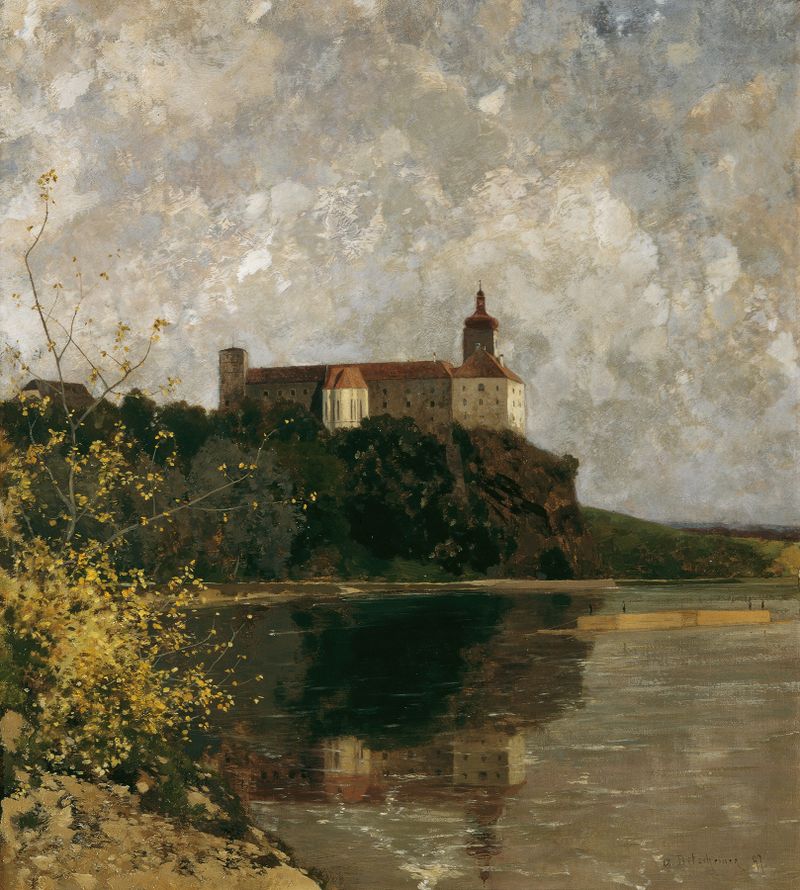
Schloss Persenbeug
Adolf Ditscheiner

Burg Hohensalzburg mit Gaisberg
Adolf Ditscheiner

Hochgebirgslandschaft
Adolf Ditscheiner

Wasserspiegel eines Teiches mit Pflanzen
Adolf Ditscheiner

View of Enns on the Danube
Adolf Ditscheiner

Waldtümpel Waldbach
Adolf Ditscheiner
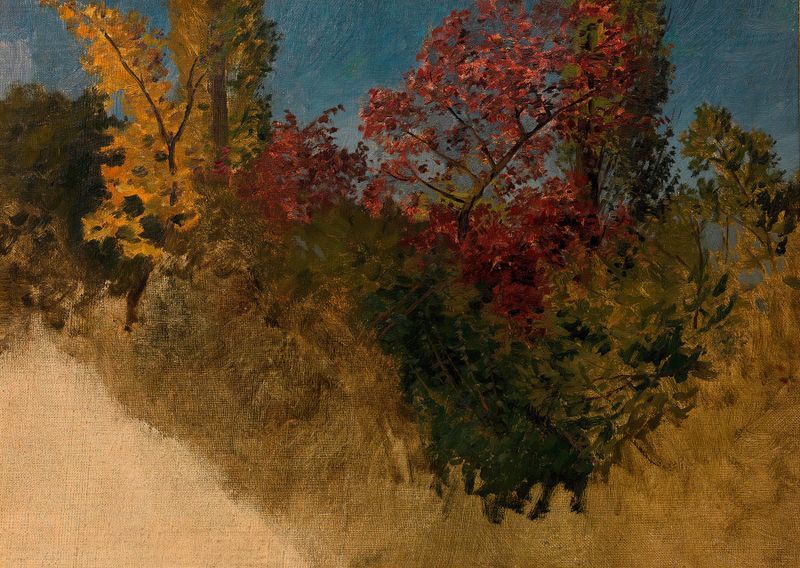
Waldstudie (Bäume und Sträucher)
Adolf Ditscheiner





