Hof van het Sint Antoniusklooster te Maastricht, in de winter — History & Facts
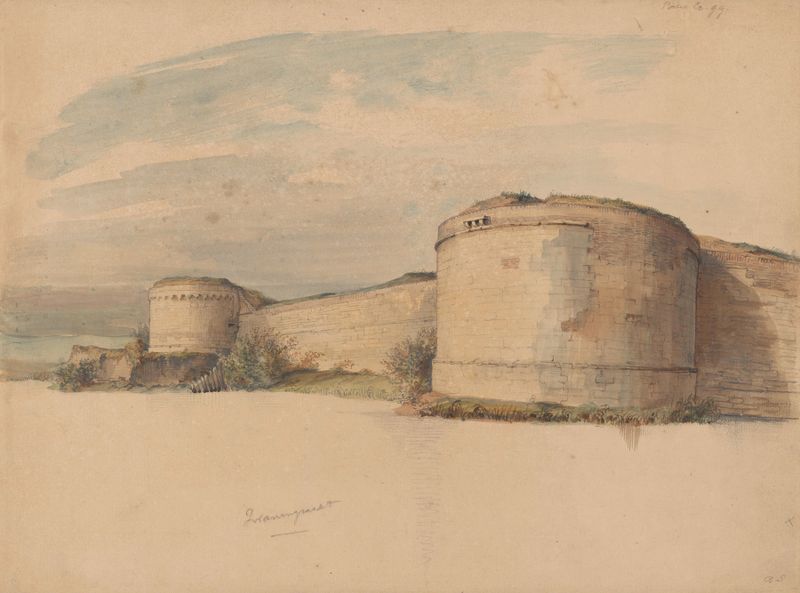
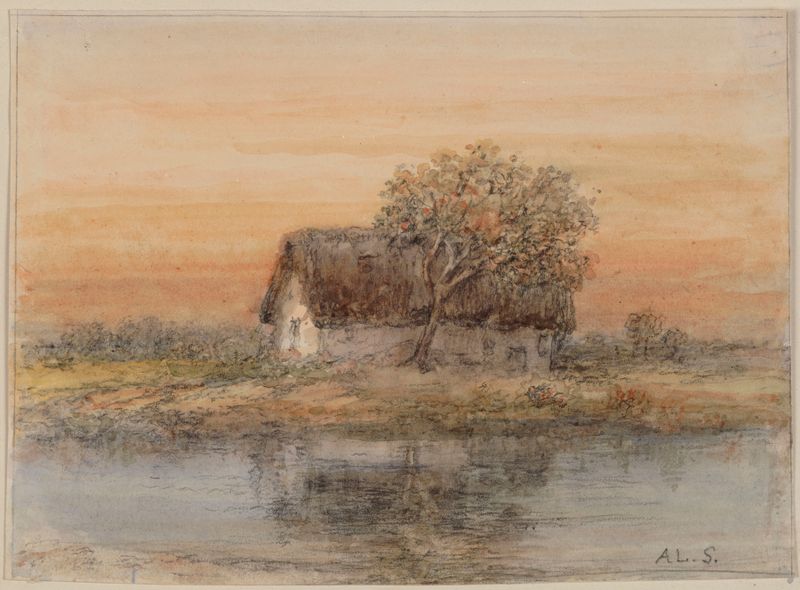
Who listens when art speaks of silence? In the stillness of a winter’s day, a profound awakening takes place, where nature and architecture exist in perfect harmony. Look to the foreground, where the intricate details of the cloister beckon your gaze. The delicate interplay of light and shadow reveals the frost-kissed stones, while soft snowfall blankets the surrounding landscape. Notice how the muted colors of gray and white evoke a sense of serenity, contrasting with the warmth of the cloister’s walls, inviting the viewer to pause and reflect. Deeper within, the silhouettes of the bare trees stand as sentinels, their branches reaching skyward, echoing a longing for the vibrancy of spring.
The painting captures a moment suspended in time, where the beauty of stillness invites contemplation. The absence of human figures intensifies this solitude, suggesting that the architecture is itself a silent witness to the passage of seasons and time. Created in 1837, during a period of artistic transition in Europe, this work emerged while Alexander Schaepkens was living in Maastricht. The Romantic movement was beginning to flourish, emphasizing emotion and nature, a stark contrast to the formalism of the previous era.
This was a time when artists began to find beauty in the ordinary and quiet, something that resonates powerfully in the reflective tranquility of this winter scene.