Huis van leerlooiers te Maastricht — History & Facts
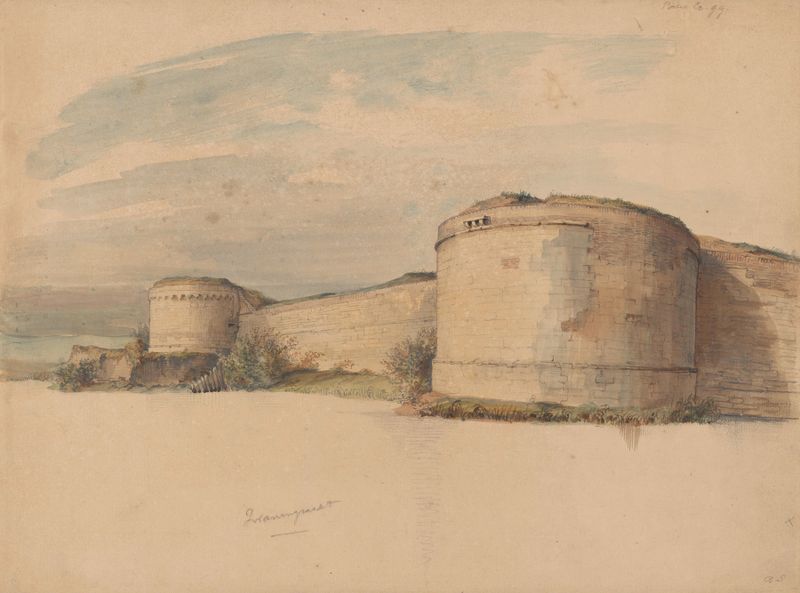
When did color learn to lie? The vibrant hues and intricate details of an unassuming tannery reveal more than mere craft; they encapsulate the obsession that art can inspire. Look to the center of the canvas, where sunlight spills through the open door, illuminating the weathered leather with a warmth that contrasts sharply with the cool shadows of the surrounding architecture. Notice how the rich browns and ochres dominate the scene, reflecting the organic materials of the trade, while the pale blue of the sky peeks through, a reminder of the world beyond. Each brushstroke captures the toil of labor, inviting you to consider not just the process, but the life lived within these walls. As you explore the textures, the interplay of light and shadow reveals an emotional undertow—the joy of creation intertwined with the weight of relentless work.
The slight figures of workers, barely visible, seem encapsulated in their dedication, yet simultaneously isolated, hinting at a deeper obsession with craftsmanship that isolates them from the world. This tension between labor and artistry is palpable, suggesting both pride and exhaustion in the pursuit of an ideal. In 1839, Alexander Schaepkens painted this piece in Maastricht, a burgeoning center of leather production in the Netherlands. At that time, he was establishing himself as an artist, navigating the evolving landscape of Romanticism, where emotions and the sublime were increasingly valued.
The industrial era loomed large, reshaping both cities and lives, and this canvas reflects a moment of transformation—an appreciation for the intricate beauty that dwells within everyday labor.