Hōgajō, Pl.12 — History & Facts
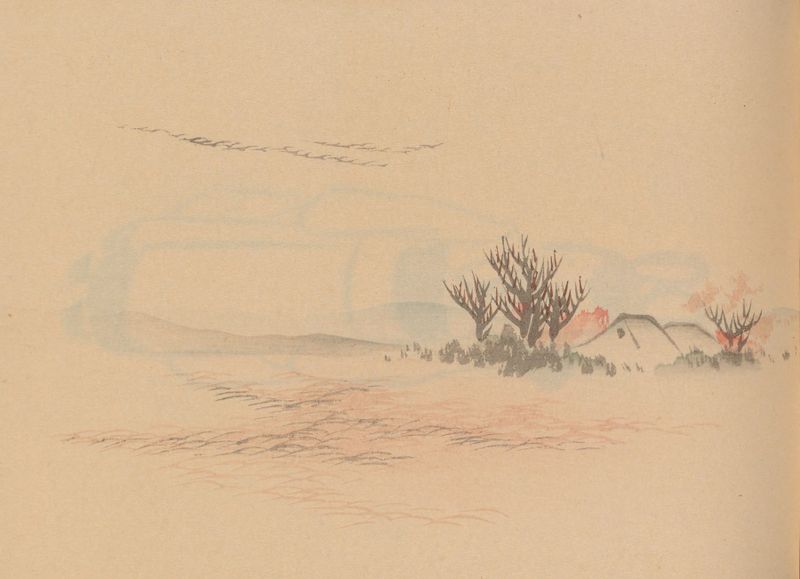
Can paint confess what words never could? In Hōgajō, Pl.12, nostalgia breathes life into the canvas, whispering stories of a forgotten past. Look to the upper left at the delicate interplay of shadows and light, where a ghostly silhouette of an ancient tree stands sentinel over a tranquil landscape. Notice how the muted palette—gentle greens, soft browns, and a wash of ethereal blues—evokes a sense of longing. The brushstrokes are fluid yet restrained, inviting the viewer to wander the serene paths of memory crafted by the artist’s hand. Beneath the surface, layers of meaning emerge.
The tree symbolizes resilience, a reminder of the passage of time and the impermanence of beauty, while the horizon suggests the infinite potential of what lies beyond our reach. Each stroke hints at personal histories intertwined with universal experiences, a reflection of solitude and the bittersweet nature of reminiscence. The juxtaposition of the serene foreground against the vast, almost melancholic background draws forth a contemplative silence, allowing emotions to resonate deeply within. In 1901, Jirō Takeuchi painted Hōgajō during a time of sociopolitical change in Japan, as the Meiji Restoration ushered in modernization while simultaneously stirring a yearning for the nation's cultural roots.
At this juncture, the artist sought to bridge traditional landscapes with contemporary sensibilities, exploring themes of nostalgia as a means to preserve the essence of a rapidly evolving world.