Honjo Factory District — History & Facts
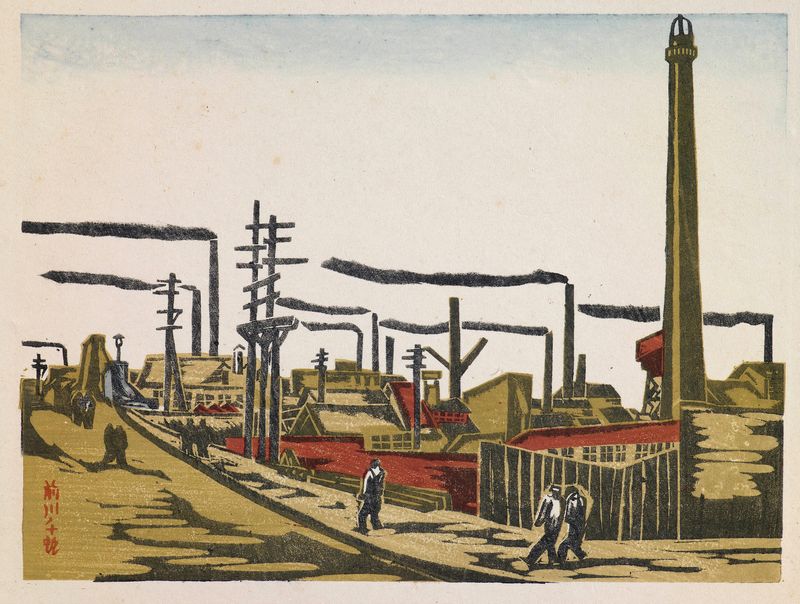
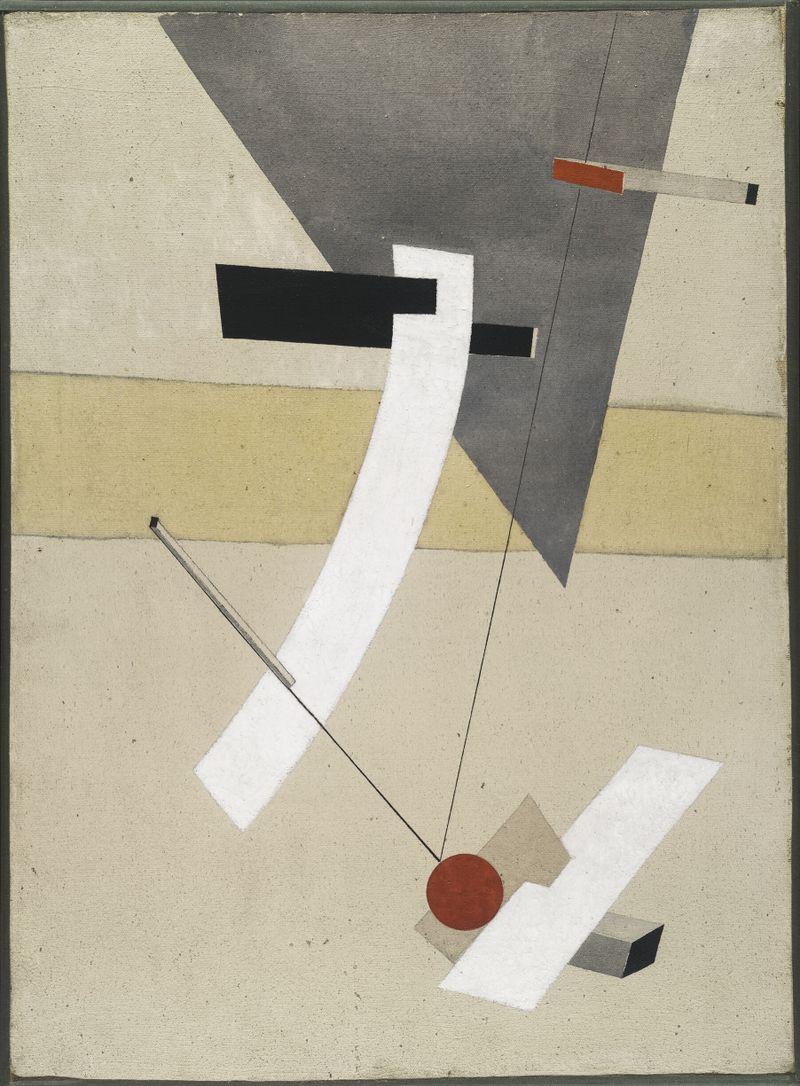
In a world often overshadowed by despair, the allure of this artwork invites us to look deeper, to confront the void beneath the surface. First, notice the stark contrast of colors that draws your gaze immediately to the swirling patterns in the center, where vibrant gold meets subdued gray. The sharp lines and geometric shapes create a sense of industrial structure, yet it's infused with an unsettling fluidity. The artist’s brushwork reveals a tension between the mechanical and the organic, echoing the heart of a factory district, while the interplay of light and shadow adds depth, suggesting the complexities of human emotion intertwined with industry. Delve deeper into the details: the subtle imperfections in the gold leaf hint at fragility, challenging the viewer to reconcile beauty with the underlying chaos of life.
The empty spaces within the composition speak volumes, portraying a sense of isolation and loss. Here, the artist captures the duality of existence—how the external world can often reflect internal turmoil. The void is not merely an absence; it bears witness to the challenges faced during a tumultuous time in history. Created in 1945, this piece emerged during a period of profound change for Maekawa Senpan, as Japan grappled with the aftermath of war and cultural transformation.
Working in a post-war Tokyo, the artist sought to explore modernity while reflecting on tradition, merging Eastern aesthetics with Western influences. This artwork stands as a poignant testament to an era marked by both destruction and renewal, encapsulating the emotional landscape of its time.