
Hoofd van Christus met doornenkroon — History & Facts
Could a single brushstroke hold eternity? In the depths of Hoofd van Christus met doornenkroon, that question lingers, suggesting the weight of betrayal entwined with the thorns of sacrifice. Focus on the crown of thorns encircling the head, a powerful symbol of pain and suffering. Notice how the delicate strokes of Beham's brush create an interplay of light and shadow, revealing the tension etched in Christ's expression. The deep, muted tones of the background serve to accentuate the figure’s pallor, emphasizing a visceral vulnerability that draws the viewer in and compels them to contemplate the layers of anguish embedded within the subject’s gaze. Beyond the surface, the contrast between the thorns and the serene face evokes a profound dissonance, hinting at the duality of divine suffering and human betrayal.
Each thorn seems to pierce not only skin but also the sacred connection between the divine and humanity. In this intimate portrayal, Beham masterfully encapsulates both a moment of torment and a whisper of transcendence, urging viewers to grapple with the weight of faith and the complexities of love. Painted in 1520, this piece emerged from the heart of the Northern Renaissance, during a time when the Reformation began to reshape religious ideologies. Beham, a prominent figure in the German artistic scene, crafted works that blended meticulous realism with deep emotional resonance.
Amid the shifting tides of faith and expression, Hoofd van Christus met doornenkroon stands as a poignant reflection of a world on the brink of transformation, intertwining artistry with the profound struggles of its era.
More Artworks by Hans Sebald Beham
Browse all →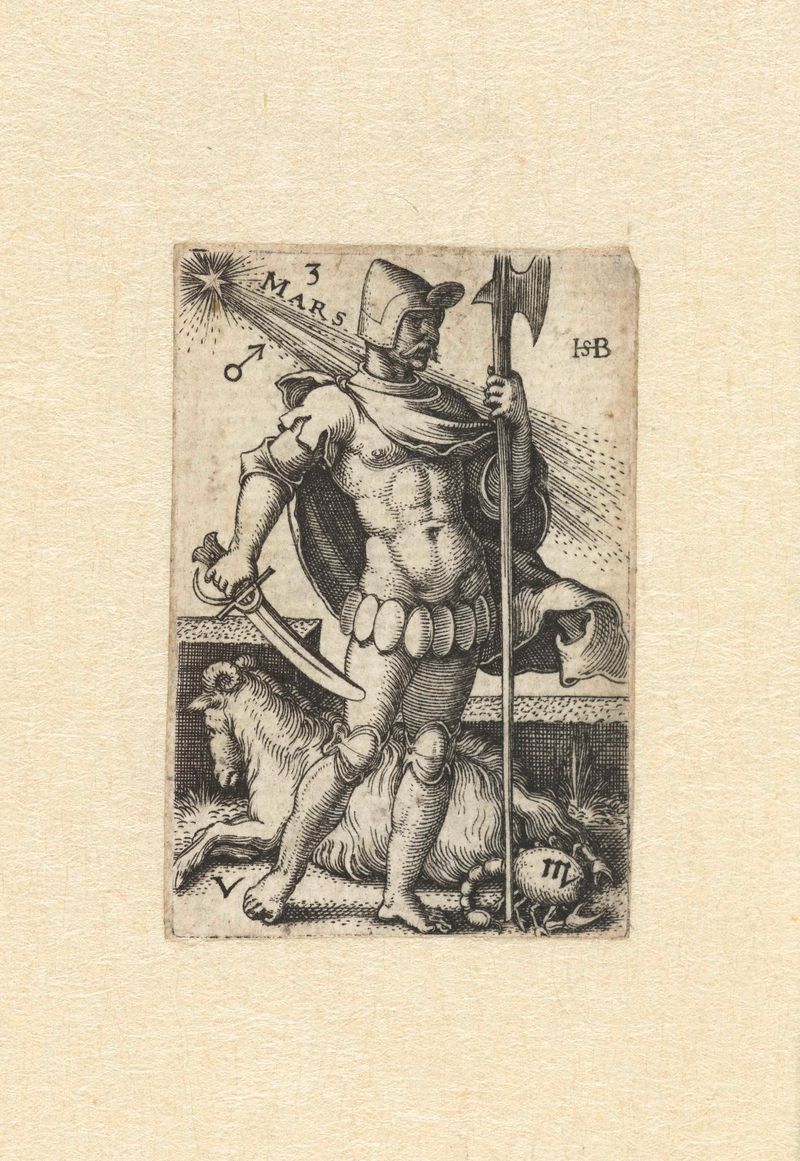
Mars met sterrenbeelden Ram en Schorpioen
Hans Sebald Beham

Achilles in gevecht met Hector
Hans Sebald Beham
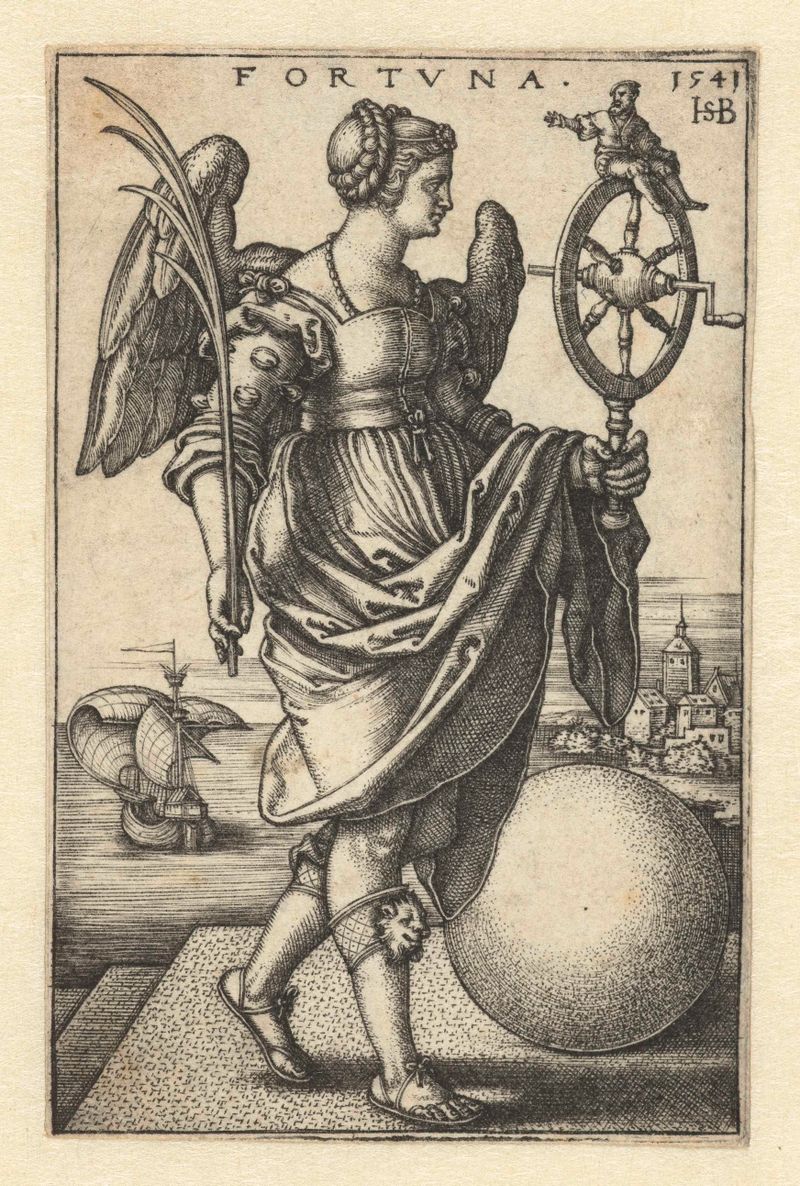
Fortuna
Hans Sebald Beham

Hercules worstelt met Antaeus
Hans Sebald Beham

Twee muzikanten met schalmey en doedelzak
Hans Sebald Beham

Voorzichtigheid (Prudentia)
Hans Sebald Beham

Hercules in gevecht met de Trojanen
Hans Sebald Beham
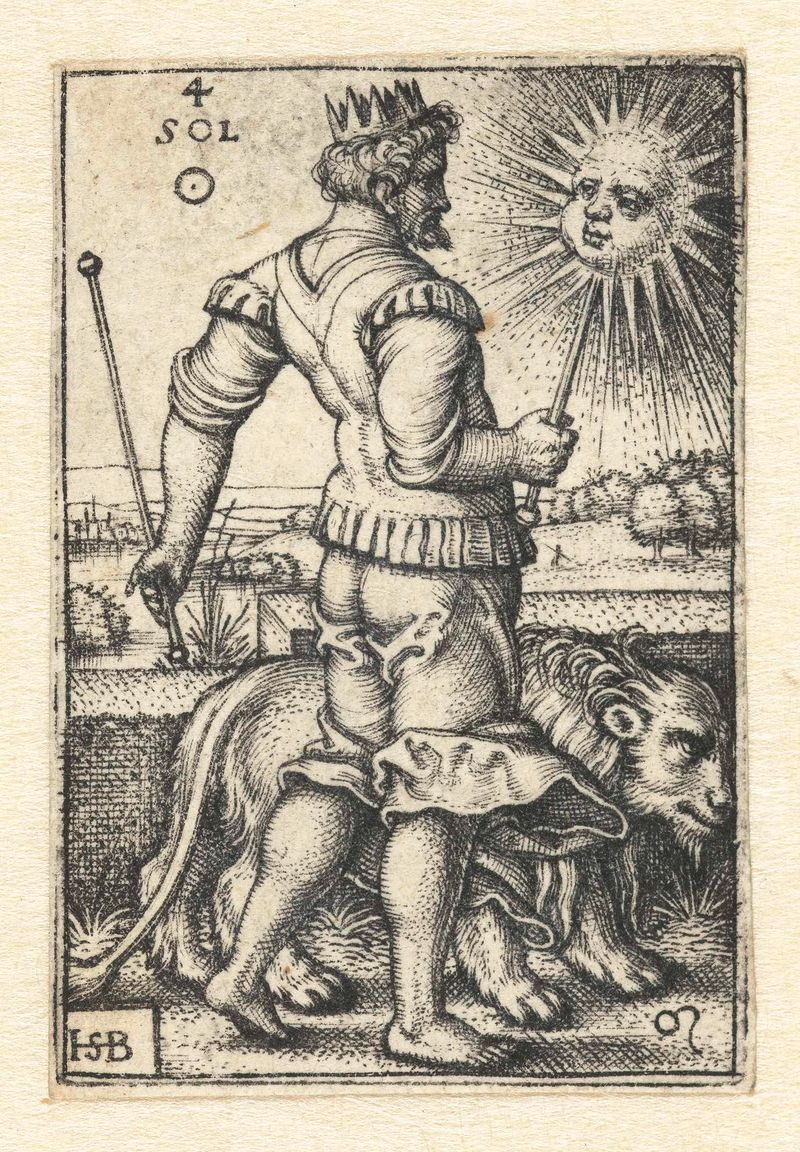
Apollo (Sol) met sterrenbeeld Leeuw
Hans Sebald Beham
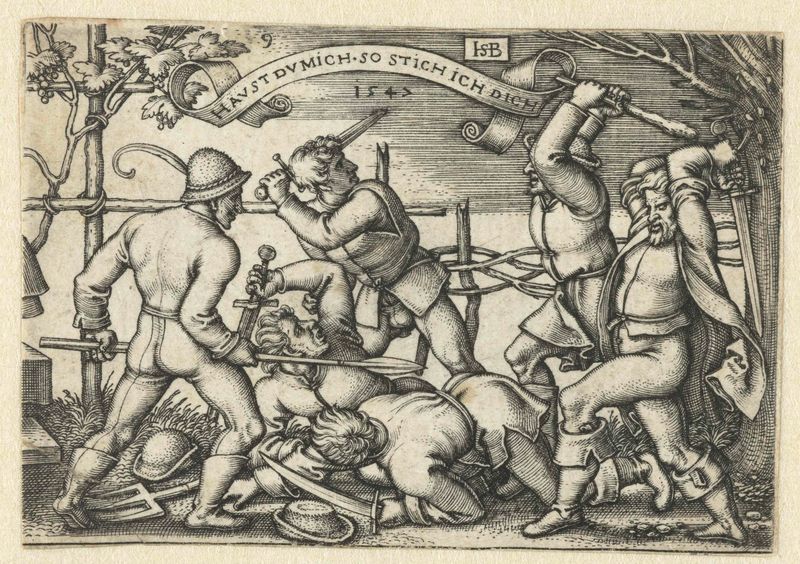
Vechtende boeren met zwaarden
Hans Sebald Beham
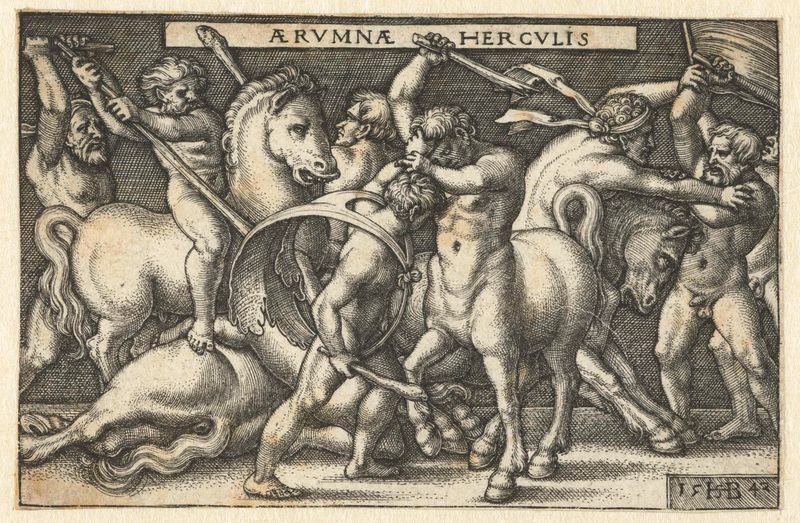
Hercules in gevecht met centaurs
Hans Sebald Beham
More Religious Art
Browse all →
The Return of the Prodigal Son
Rembrandt van Rijn

The Garden of Earthly Delights
El Bosco

Count Orgaz’ funeral
El Greco

The Hundred Guilder Print: the central piece with Christ preaching, the plate arched
Rembrandt van Rijn

The Descent from the Cross
Rogier van der Weyden

The return of the prodigal son
Rembrandt van Rijn