
Hoofd van Christus met doornenkroon — History & Facts
In a time when faith was both a sanctuary and a battleground, truth emerged not merely from the church's proclamations but through the intimate lens of the artist's heart. The raw vulnerability captured in this work speaks volumes about a universal struggle—a confrontation between divine sacrifice and human frailty. Look closely at the haunting expression on the figure's face. Notice how the light caresses the contours of the brow and the thorn-crowned head, casting shadows that deepen the intensity of the gaze.
The delicate lines etched in the skin and the somber palette of earthy tones amplify a sense of sorrow, inviting the viewer to connect deeply with the subject. The meticulously rendered thorns seem to almost pulse with an unspoken agony, while the soft halo of light above offers a fleeting hint of hope amidst despair. The stark contrast between the delicate beauty of the features and the harshness of the crown reveals a profound tension. This duality—suffering entwined with divinity—mirrors the tumultuous relationship between the sacred and the everyday.
The thorns, symbols of pain, are juxtaposed with an ethereal light, suggesting that even in the depths of anguish, there is room for redemption and truth. Each detail, from the anguished expression to the subtle play of light, invites contemplation about the nature of suffering and sacrifice. Created in 1520, this piece emerged during a tumultuous period in Europe, marked by the Reformation's upheaval and a renewed interest in personal faith and spirituality. Hans Sebald Beham, a member of the Nuremberg school of artists, was navigating his own path through the complexities of art and belief.
As he rendered this poignant image, he captured the zeitgeist of an era seeking truth beyond the superficial—a truth that resonates with viewers even today.
More Artworks by Hans Sebald Beham
Browse all →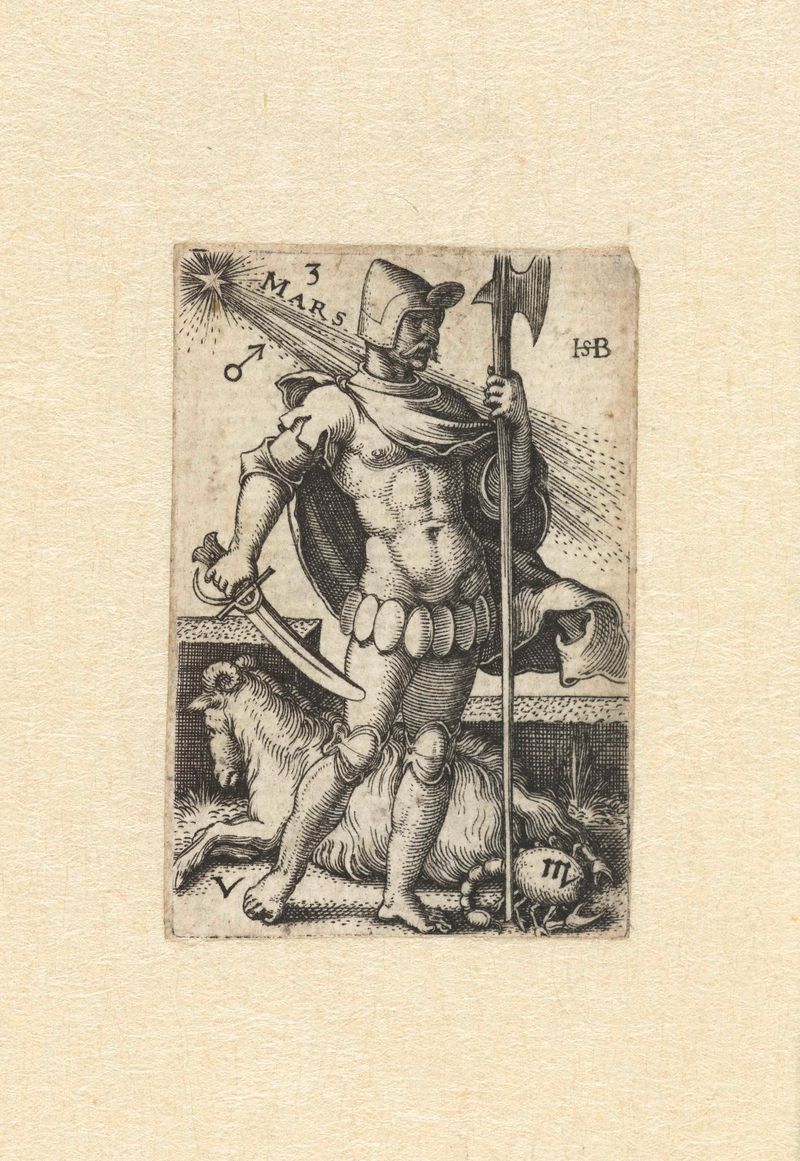
Mars met sterrenbeelden Ram en Schorpioen
Hans Sebald Beham

Achilles in gevecht met Hector
Hans Sebald Beham
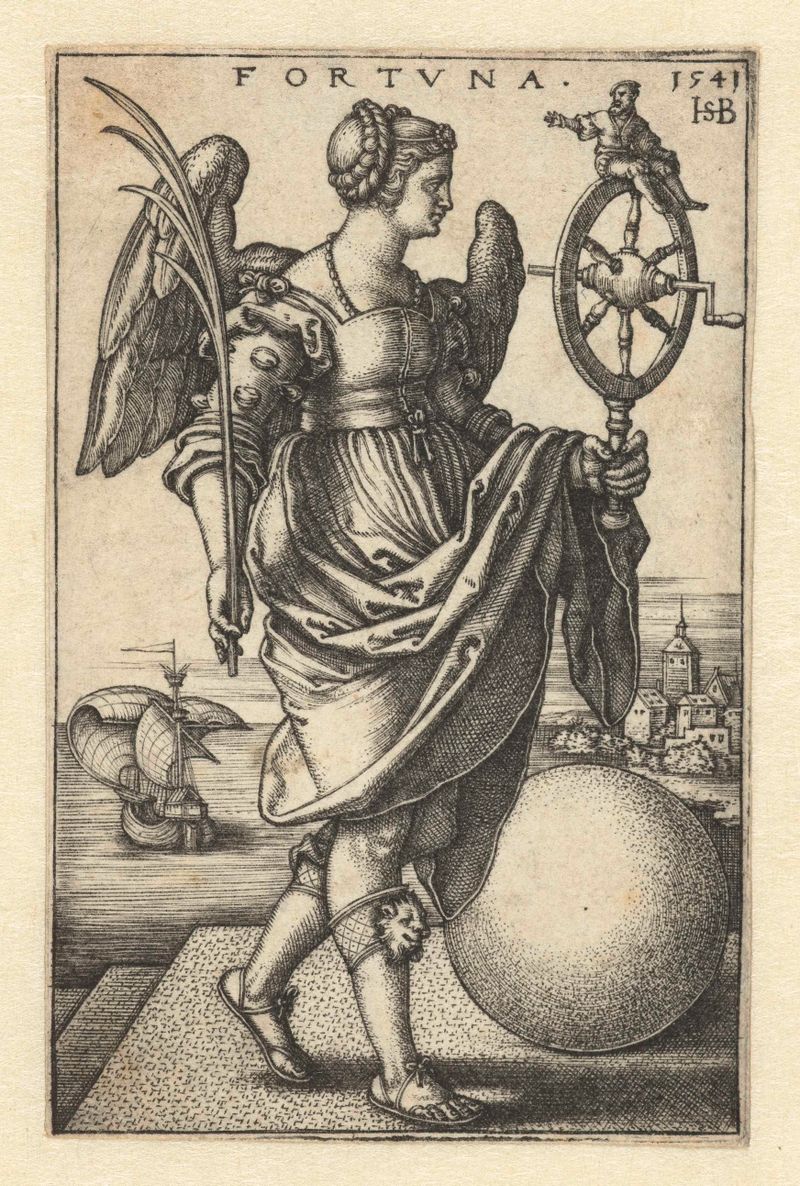
Fortuna
Hans Sebald Beham

Hercules worstelt met Antaeus
Hans Sebald Beham

Twee muzikanten met schalmey en doedelzak
Hans Sebald Beham

Voorzichtigheid (Prudentia)
Hans Sebald Beham

Hercules in gevecht met de Trojanen
Hans Sebald Beham
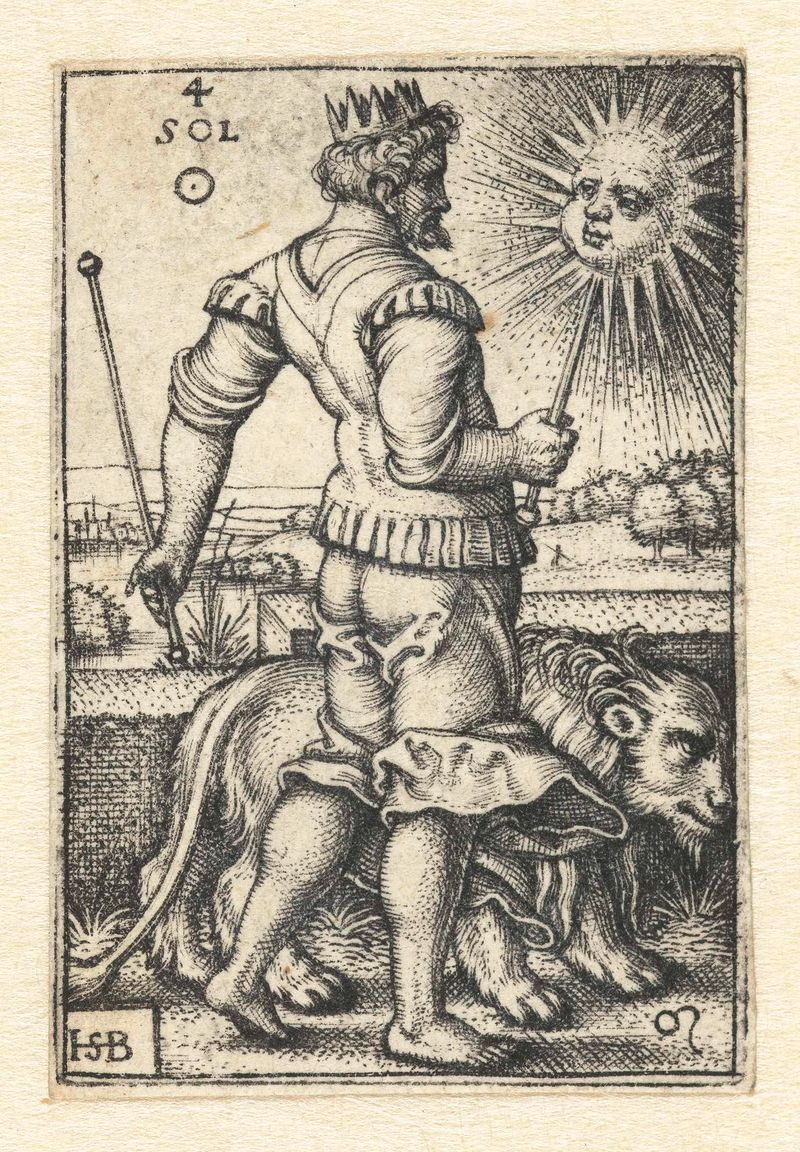
Apollo (Sol) met sterrenbeeld Leeuw
Hans Sebald Beham
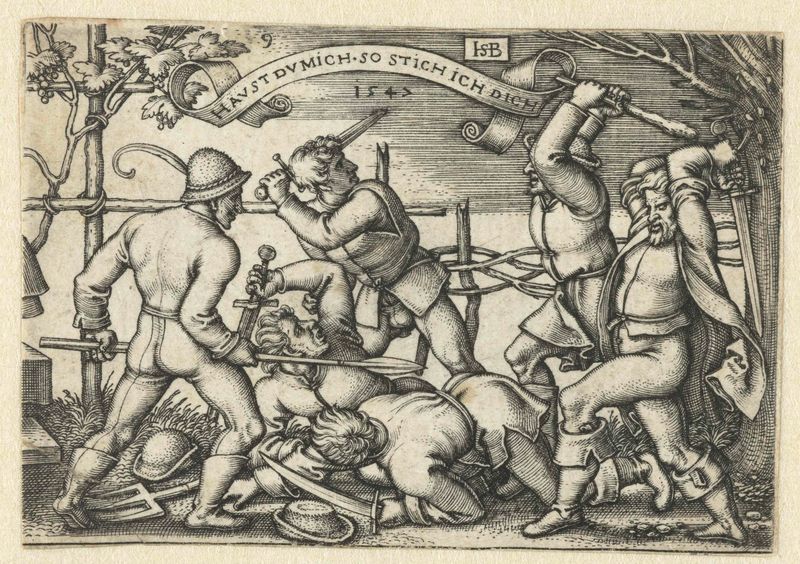
Vechtende boeren met zwaarden
Hans Sebald Beham
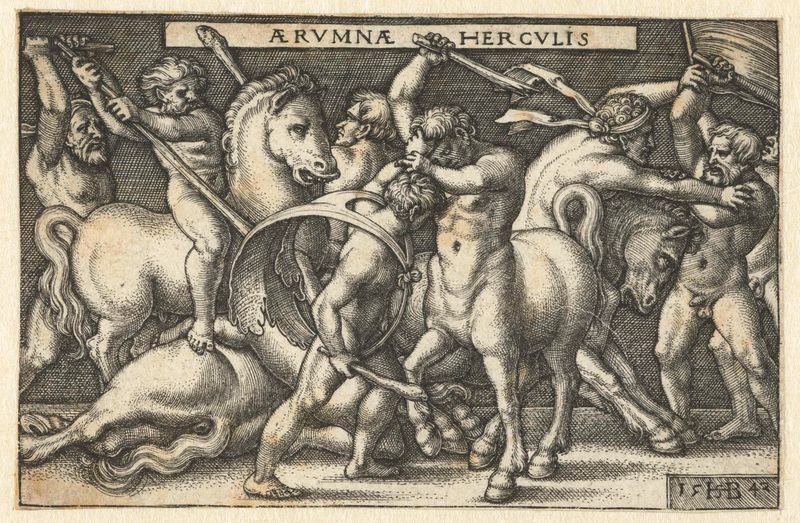
Hercules in gevecht met centaurs
Hans Sebald Beham
More Religious Art
Browse all →
The Return of the Prodigal Son
Rembrandt van Rijn

The Garden of Earthly Delights
El Bosco

Count Orgaz’ funeral
El Greco

The Hundred Guilder Print: the central piece with Christ preaching, the plate arched
Rembrandt van Rijn

The Descent from the Cross
Rogier van der Weyden

The return of the prodigal son
Rembrandt van Rijn