
Hoofd van lijdende Christus met doornenkroon — History & Facts
In a single glance, the piercing gaze of suffering transforms our understanding of truth, inviting us into a realm where pain and beauty coexist. Look closely at the crown of thorns that encircles the head, jagged and unforgiving against the soft contours of the face. The artist’s meticulous line work contrasts with the tenderness of skin, capturing the tension of suffering all too palpable in Christ’s expression. Notice how the shadows dance in the hollows beneath the eyes, accentuating the sorrowful depth of his gaze, beckoning viewers to confront their own vulnerability. Beneath the surface, the thorns symbolize a harsh reality—a reminder of sacrifice, while the serene features suggest a paradox of peace amidst turmoil.
The delicate interplay of light and shadow evokes an emotional landscape that transcends time, bridging the viewer to the divine narrative of endurance and compassion. Here lies a profound exploration of faith, suffering, and the transformative power of forgiveness. Hans Sebald Beham painted this work in 1519 during a time when the Northern Renaissance was flourishing, marked by a growing interest in humanism and the exploration of religious themes through art. His focus on expressive detail reflected the tumultuous changes in the religious landscape, as the Reformation began to challenge established norms.
It was a period of introspection and innovation, where artists sought to transcend the superficial, delving into the profound emotional truths that resonate within the human experience.
More Artworks by Hans Sebald Beham
Browse all →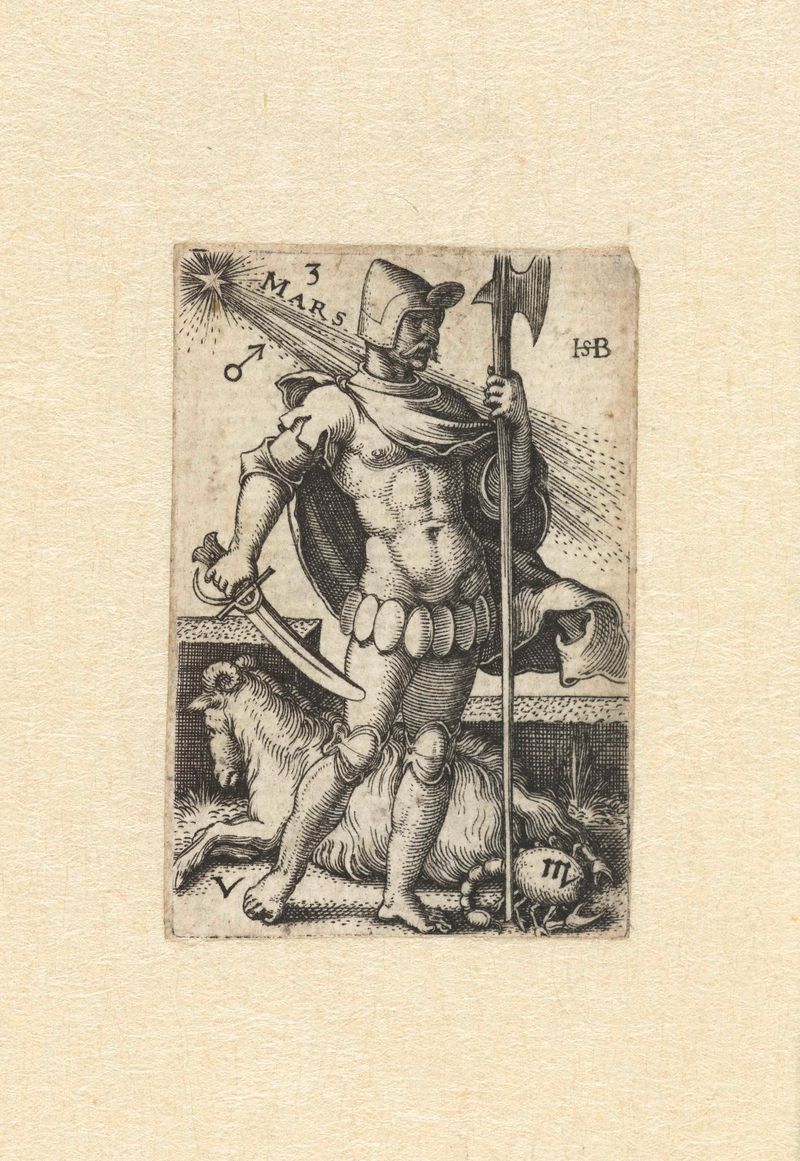
Mars met sterrenbeelden Ram en Schorpioen
Hans Sebald Beham

Achilles in gevecht met Hector
Hans Sebald Beham
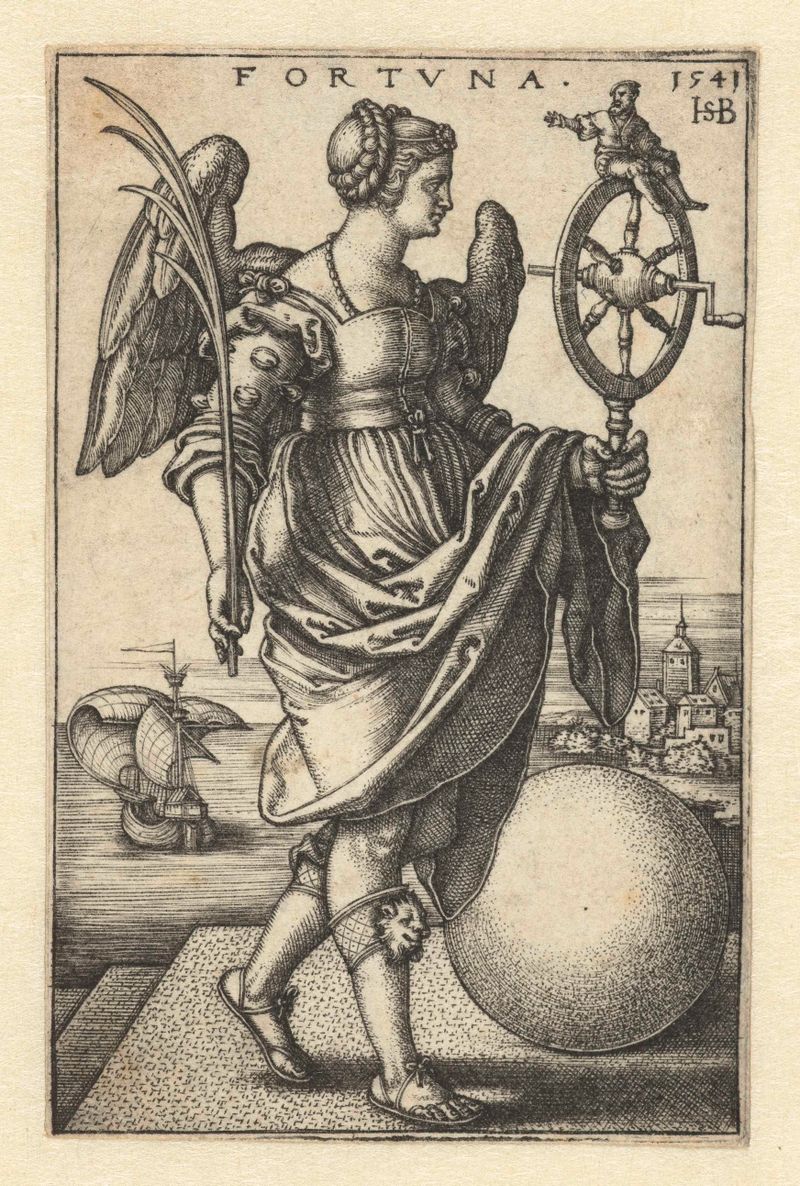
Fortuna
Hans Sebald Beham

Hercules worstelt met Antaeus
Hans Sebald Beham

Twee muzikanten met schalmey en doedelzak
Hans Sebald Beham

Voorzichtigheid (Prudentia)
Hans Sebald Beham

Hercules in gevecht met de Trojanen
Hans Sebald Beham
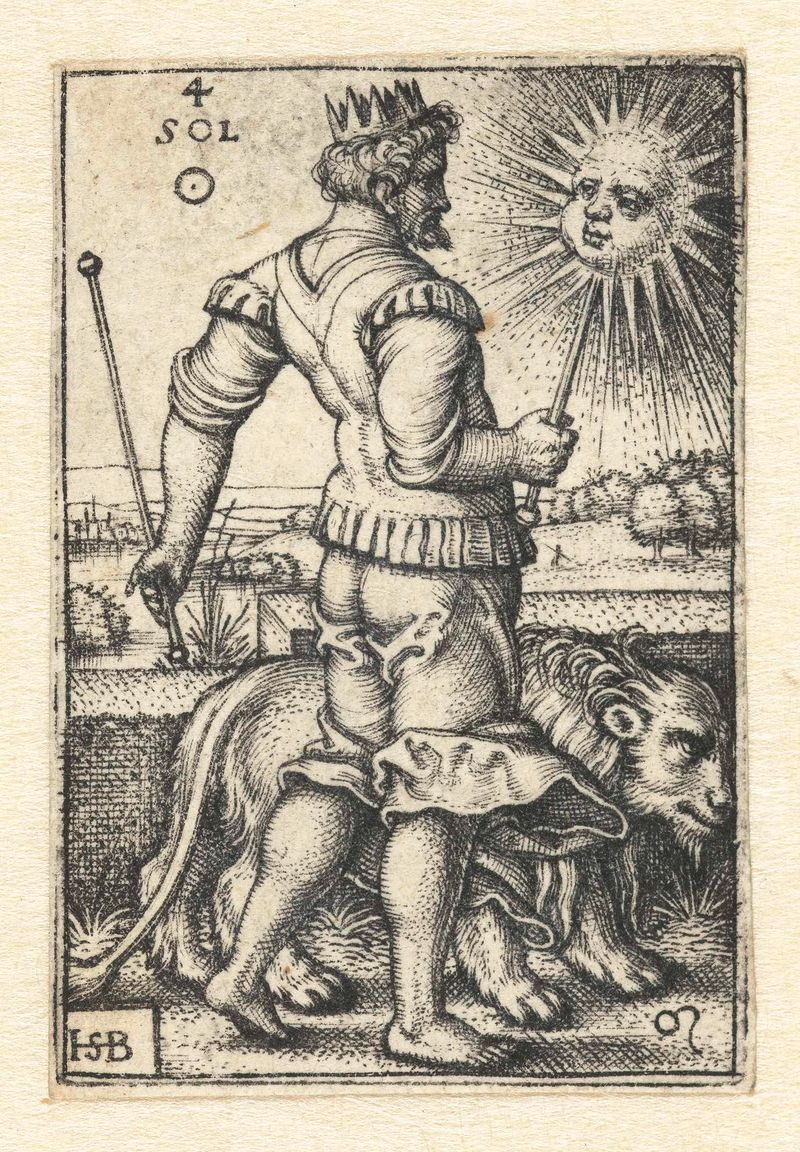
Apollo (Sol) met sterrenbeeld Leeuw
Hans Sebald Beham
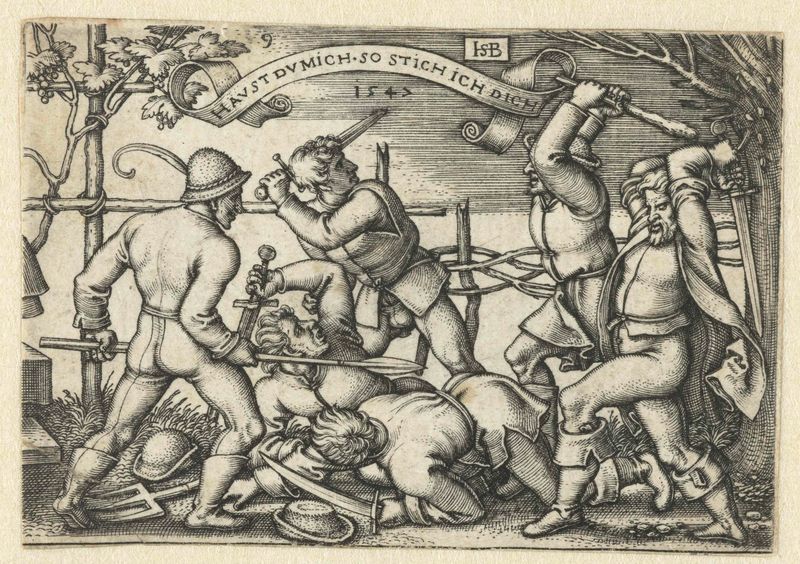
Vechtende boeren met zwaarden
Hans Sebald Beham
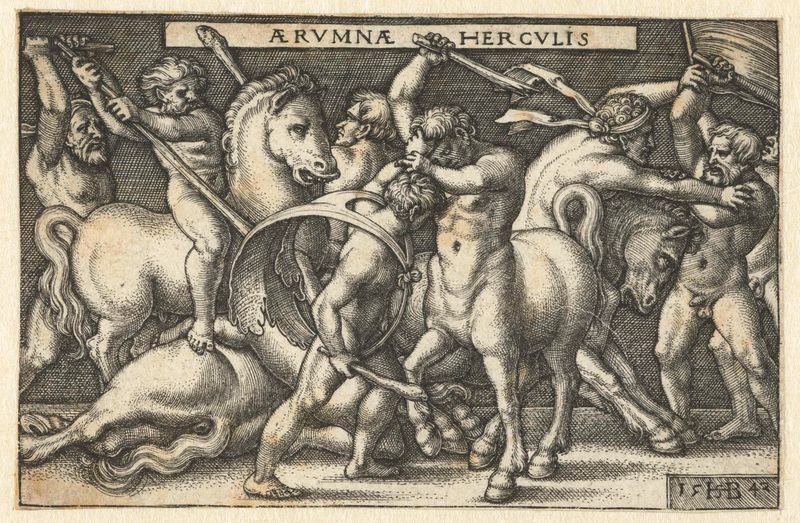
Hercules in gevecht met centaurs
Hans Sebald Beham
More Religious Art
Browse all →
The Return of the Prodigal Son
Rembrandt van Rijn

The Garden of Earthly Delights
El Bosco

Count Orgaz’ funeral
El Greco

The Hundred Guilder Print: the central piece with Christ preaching, the plate arched
Rembrandt van Rijn

The Descent from the Cross
Rogier van der Weyden

The return of the prodigal son
Rembrandt van Rijn