Hook Mountain, Hudson River — History & Facts
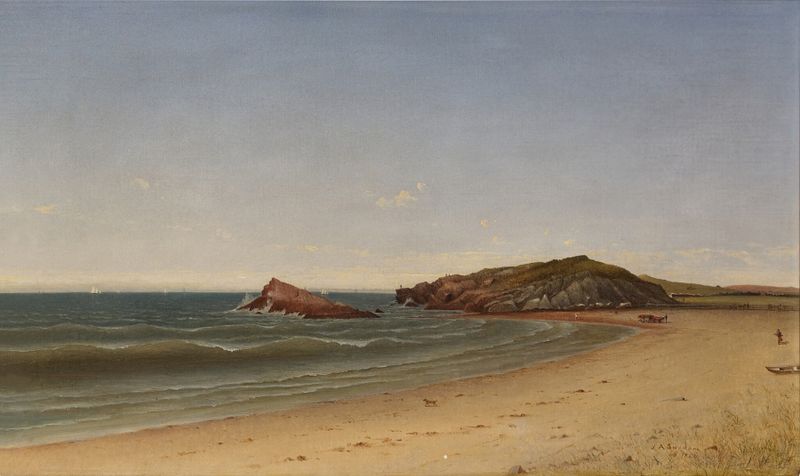
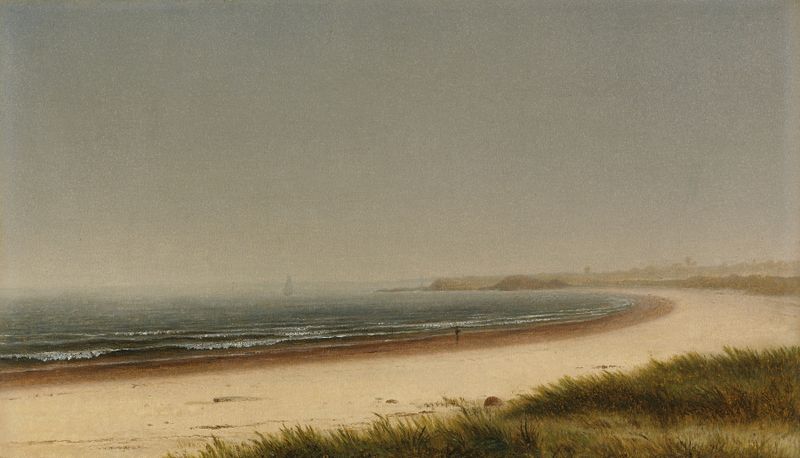
This insight resonates deeply with the landscapes that echo our innermost sorrows, transforming grief into something deceptively beautiful. In Hook Mountain, Hudson River, the viewer’s gaze is immediately drawn to the majestic peak that dominates the background. Notice how the rugged outline of the mountain is framed by a soft, golden light, casting a warm glow that contrasts with the cooler blue of the river below. The artist employs rich, textured brushstrokes to convey the undulating hills and the gentle ripples of the water, inviting the eye to traverse the serene yet evocative landscape, as if each stroke whispers the secrets of the land. Delve deeper, and you will uncover the emotional resonance of the scene.
The juxtaposition of the tranquil river and the formidable mountain reflects the duality of existence—calmness intertwined with looming grief. The subtle play of light and shadow suggests an impending storm, hinting at the darker emotions that dwell beneath the surface of this idyllic setting. Each element in the painting stands as a testament to the complexities of human experience, where beauty often coexists with sorrow. In 1863, James Augustus Suydam painted this work during a tumultuous period in American history, marked by the Civil War.
Living in a time of conflict and personal loss, Suydam infused his landscapes with both a yearning for tranquility and a poignant awareness of the world’s discord. His mastery of light and color reflects not just a technical prowess but a deep emotional engagement with the themes of grief and beauty, making this piece a compelling exploration of the human condition.