Horloge van goud — History & Facts
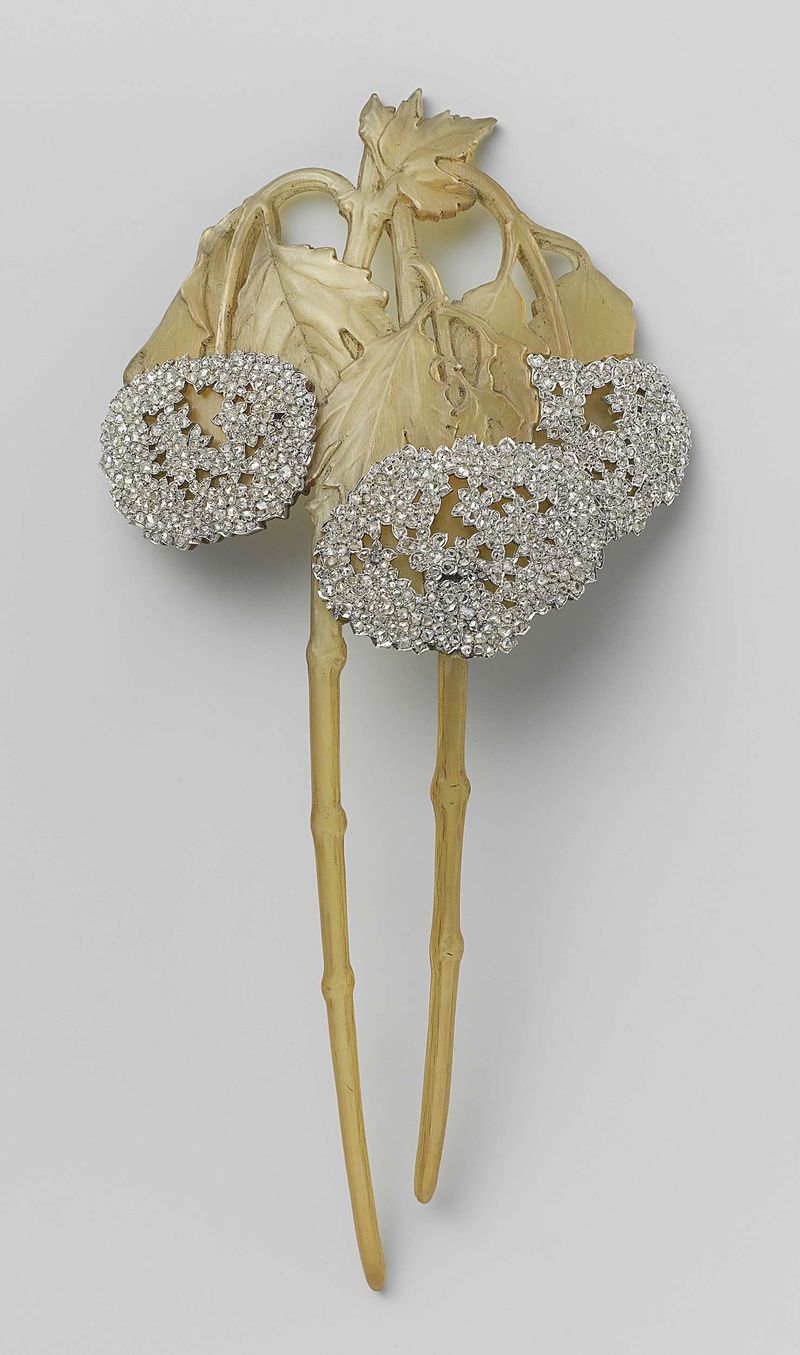
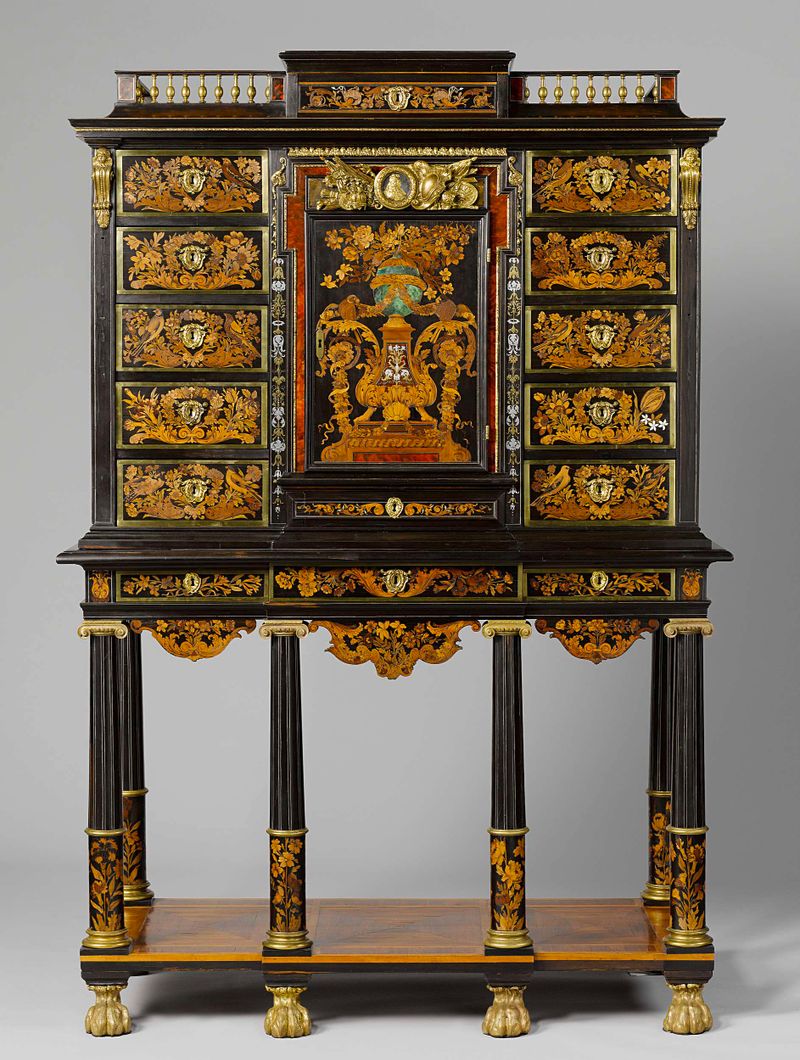
When did color learn to lie? The shimmering gold and vibrant hues capture both beauty and sorrow, inviting us to question the depths beneath their surface. In Horloge van goud, we confront the illusion of time, where each flicker of paint hints at the inevitable decay that accompanies life’s fleeting moments. Look closely at the intricate clockwork nestled within the gilded frame. Notice how the light dances upon the polished gold, revealing delicate engravings that speak of craftsmanship and care.
The vivid colors create a striking contrast against the somber undertones, suggesting both opulence and a foreboding sense of loss. Each brushstroke invites the viewer to explore the relationship between beauty and the passage of time, balancing between admiration and melancholy. As we delve deeper, the juxtaposition of the lavish materials and the ticking clock becomes evident. The sheer beauty of the piece creates a tension with its underlying message: the relentless march of time that ultimately leads to decay.
The clock symbolizes life's ephemeral nature, while the radiant colors may mask a deeper sadness, echoing the universal experience of longing for moments that cannot be reclaimed. This emotional pull draws us in, urging reflection on what is cherished and what fades into memory. Gilbert created Horloge van goud around 1800 to 1850, during a period when the Romantic movement was reshaping artistic expression. This era was marked by a growing emphasis on individual emotion and the sublime, as artists sought to explore the complexities of human experience.
Navigating the transition between neoclassicism and romanticism, the artist reflected both the beauty of craftsmanship and the poignant reality of time’s passage in a rapidly changing world.