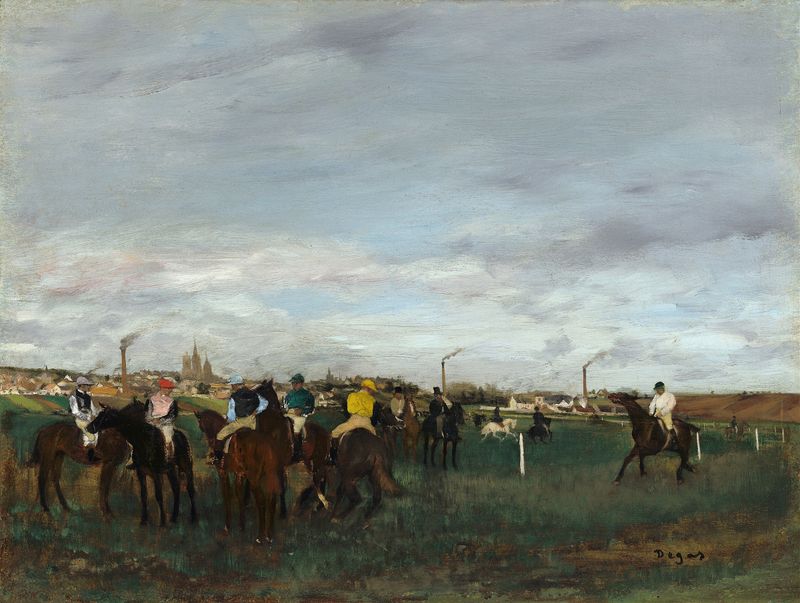
Horses in Stables (Umaya-zu byobu) — History & Facts
Is this a mirror — or a memory? The delicate elegance of Horses in Stables invites us to ponder the balance between reality and representation, as if we are peering into a tranquil moment suspended in time. Look to the left at the horses, portrayed with meticulous attention to detail, their powerful forms contrasting with the gentle curves of the stable. The rich brown and cream tones of their coats are harmoniously set against the muted greens and earthen hues of the environment. Notice how the light subtly filters through the wooden slats, creating a rhythmic interplay of shadow and illumination, urging the viewer to explore the essence of these noble creatures in repose. Yet beneath this serene exterior lies an exploration of tension and restraint.
The horses, though seemingly at ease, exhibit a certain restlessness, their eyes glinting with potential energy. This juxtaposition of calm and anticipation speaks to the duality of existence — a moment of peace encased within the ever-present pulse of life. The artist captures not just the physical form of the animals, but also the spirit of balance that governs their world, inviting reflections on freedom and confinement. Created during a time of artistic flourishing in Japan, this artwork emerged between 1688 and 1704, amidst the rise of the Edo period.
This era heralded a shift in focus towards nature and everyday life, with artists embracing the beauty of simplicity. The unknown artist behind this piece was part of a movement that celebrated the harmony of the natural world and the human experience, crafting works that resonate with both nostalgia and a keen awareness of the present.
More Artworks by Unknown Artist
Browse all →
Ridder, Dood en Duivel
Unknown Artist
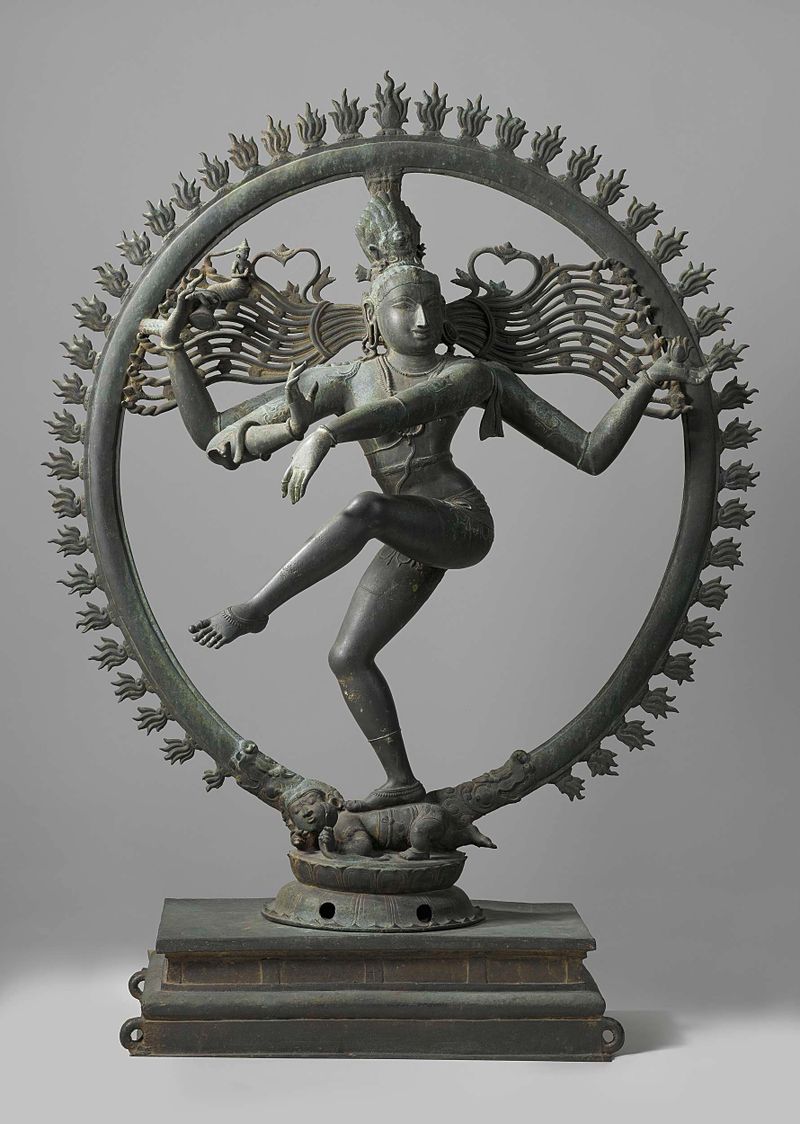
Shiva Nataraja
Unknown Artist
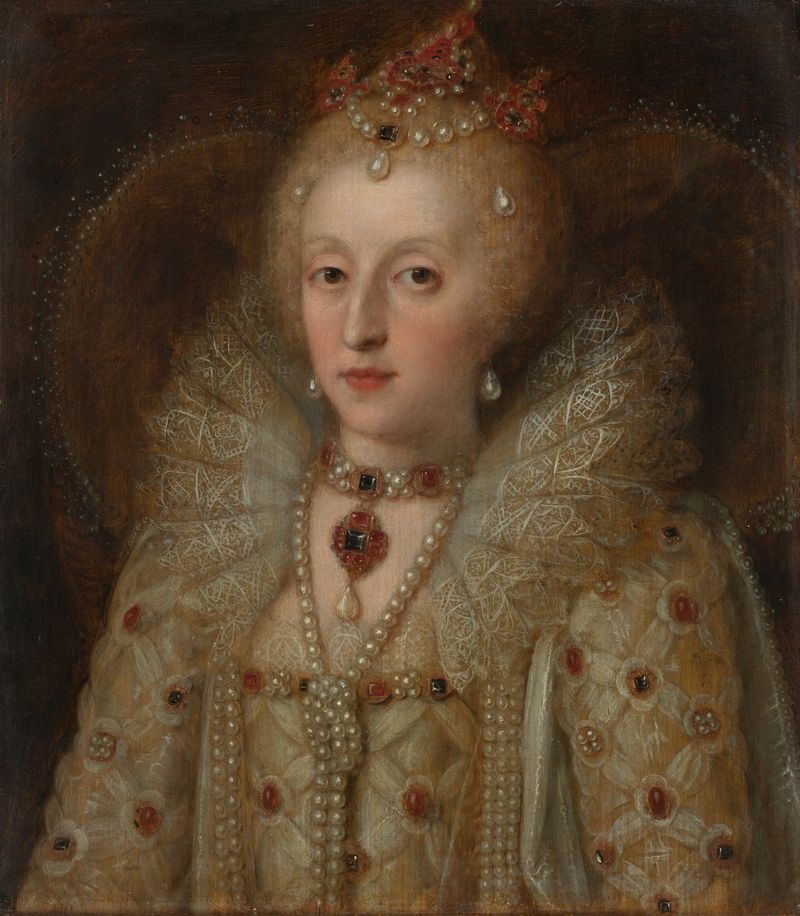
Portrait of Elizabeth I, Queen of England
Unknown Artist
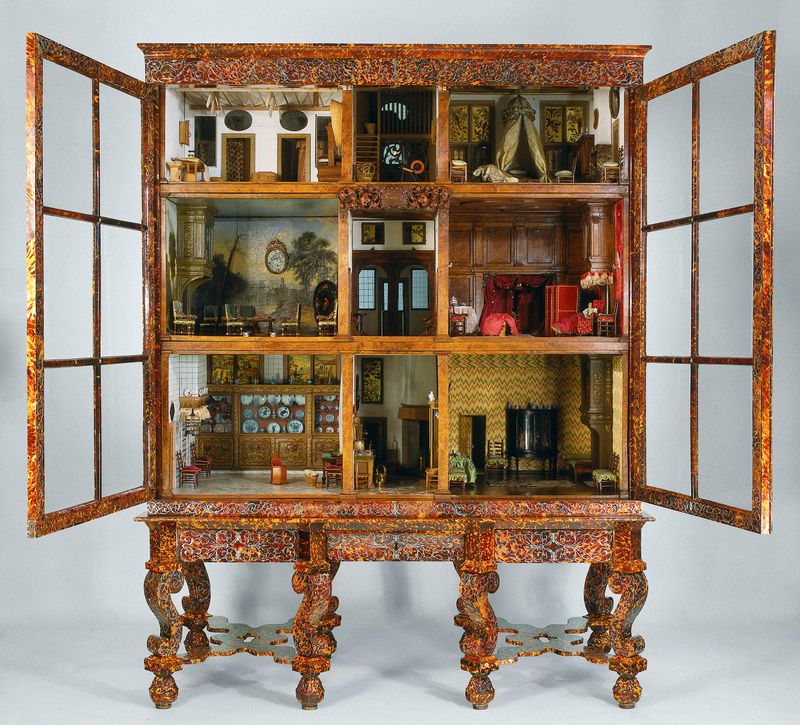
Dolls’ house of Petronella Oortman
Unknown Artist
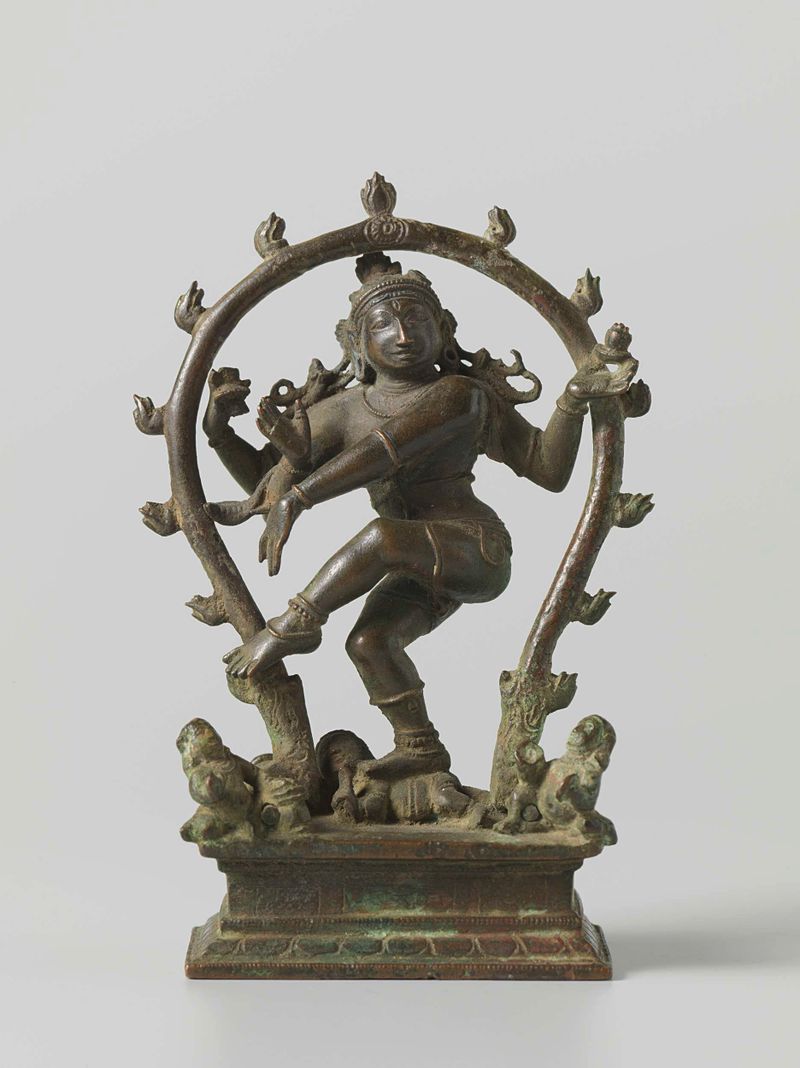
Shiva Nataraja
Unknown Artist

The Tale of Genji
Unknown Artist

The Tale of Genji
Unknown Artist

Cong
Unknown Artist
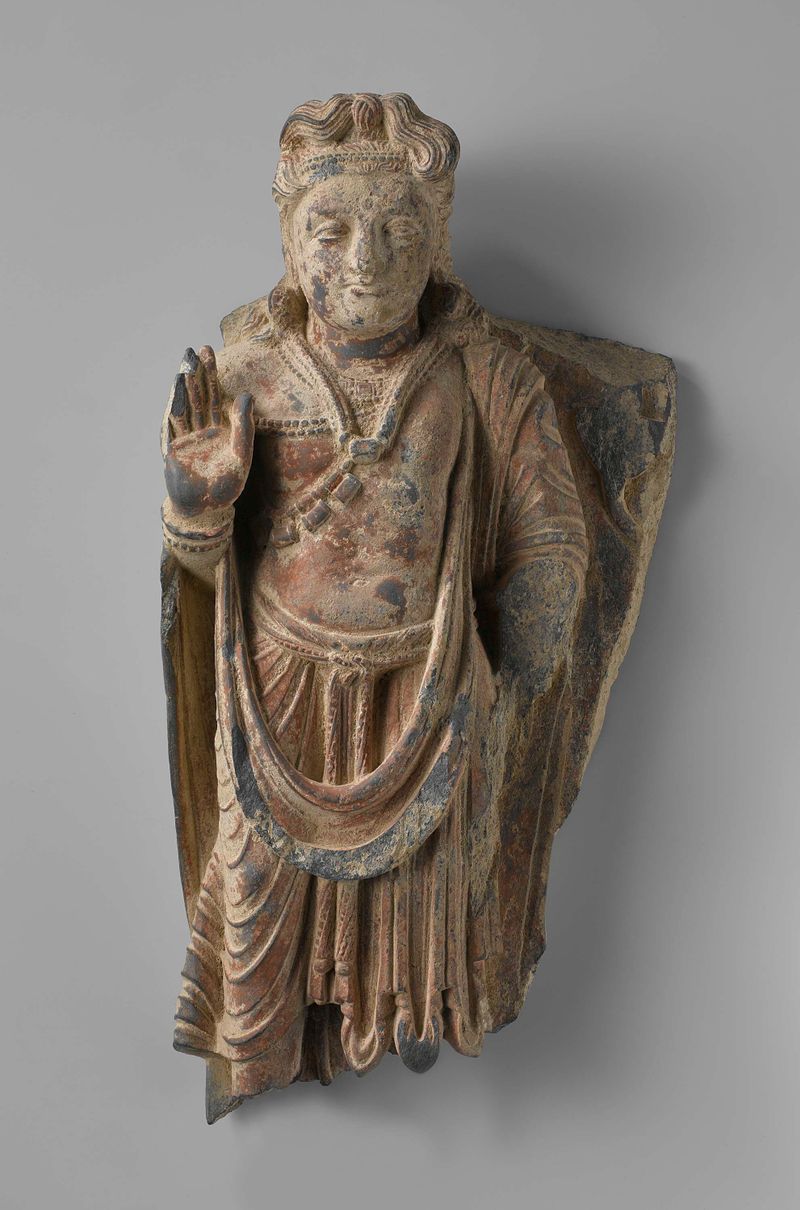
The bodhisattva Maitreya
Unknown Artist

Teabowl with a 'hare's fur' glaze
Unknown Artist