House with bridge in Westzaan — History & Facts
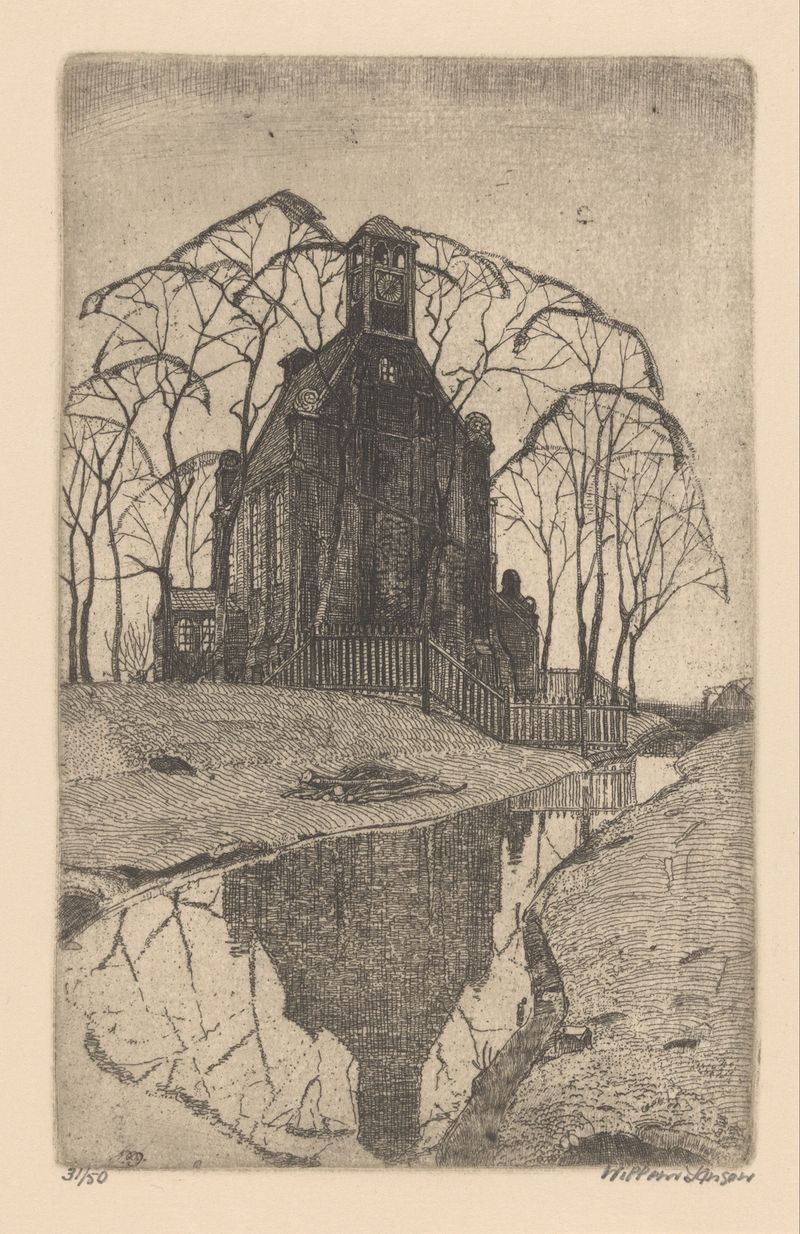
Can paint confess what words never could? In the unexplored corners of our emotions, a revelation awaits, whispering beneath layers of color and form. Focus on the serene house nestled by the water’s edge, a bridge gently arcing towards it, inviting you to traverse that boundary between the familiar and the unknown. Notice how the cool blues of the water contrast with the warmer hues of the house, creating a harmony that speaks of coexistence. The brushstrokes are deliberate yet free, capturing the stillness of the scene while suggesting an undercurrent of life just out of sight.
Light plays across the surface, drawing your eye to the reflections that shimmer, almost as if the water holds secrets beneath its placid facade. Yet there is more than mere aesthetics at play. The bridge stands as a metaphor for connection—the link between nature and human habitation, stability and transience. The vibrant colors evoke a sense of nostalgia, hinting at a time when the world felt simpler, allowing viewers to reflect on their own journeys.
Each element, from the foliage to the structure of the bridge, suggests a narrative of continuity and change, resilience in the face of life's ebb and flow. In 1922, Willem Jansen was exploring the Dutch landscape in a post-World War I context, a period marked by a desire for peace and reconciliation. Having settled in the Netherlands, he embraced the essence of his surroundings through impressionistic techniques that captured both the beauty and the complexity of rural life. This painting speaks not just of a place, but of the broader human experience of seeking connection and understanding amidst an ever-shifting world.