The Bonte Hen Mill — History & Facts
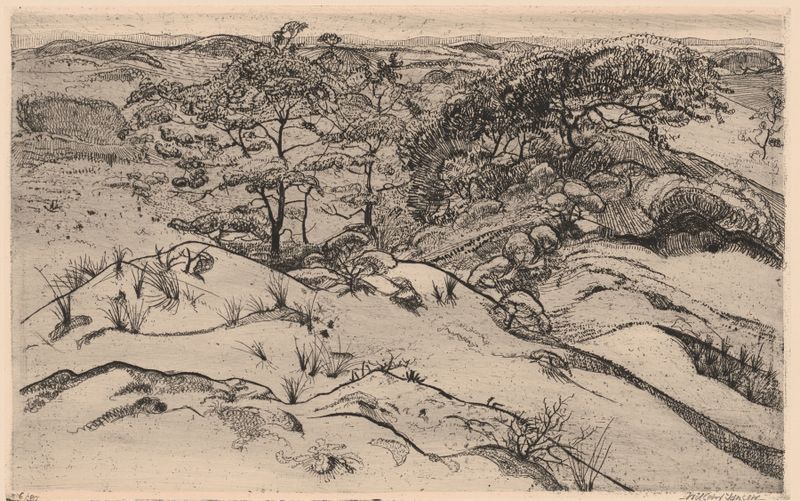
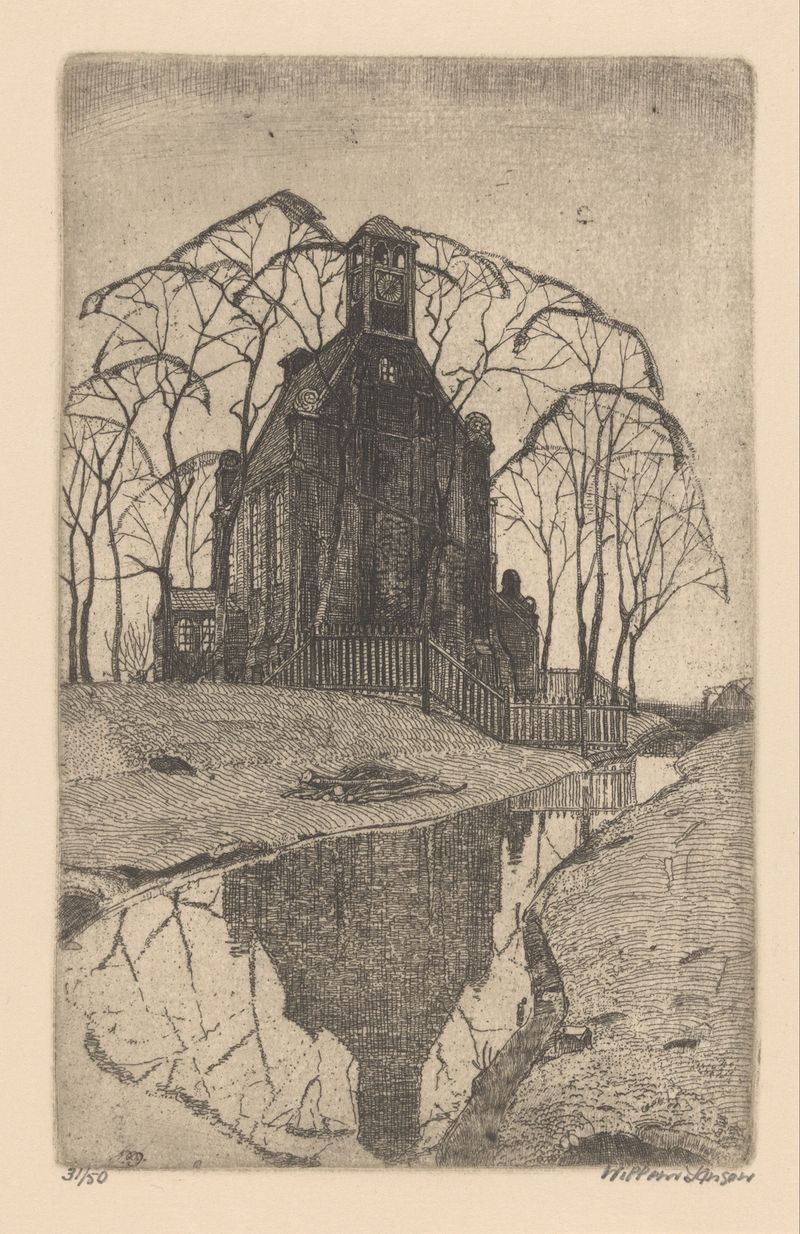
Can beauty exist without sorrow? The question lingers like a whisper among the blades of grass, where memories of time intertwine with nature's embrace. Look closely at the way the windmill stands proud against the vastness of the sky. Notice how the soft, muted tones of the landscape invite you in – the greens of the fields blend seamlessly with the earthy browns of the structure, while the gentle brush strokes evoke a sense of nostalgia. The mill's sails, though seemingly still, suggest a past filled with purpose and toil, bridging the gap between the stillness of the present and the movement of remembrance. Beneath the surface, the interplay of light and shadow reveals deeper emotional currents.
Each detail, from the weathered wood of the windmill to the delicate ripple of the water below, captures a fleeting moment that is both serene and melancholic. The beauty of the scene is tinged with the weight of history, as if every shadow carries the stories of those who once labored here, imbuing the landscape with both the sweetness of memory and a hint of longing. Willem Jansen created this work in an era when rural life was rapidly transforming, marked by industrial advancements in the late 19th century. Amidst these changes, he sought to capture the enduring beauty of traditional landscapes in the Netherlands, reflecting a profound connection to his heritage and the inevitable passage of time.
His choice to depict scenes like this was a conscious push against the encroaching modernity, allowing the viewer to reflect on what was being lost.