Houten bruggetje — History & Facts
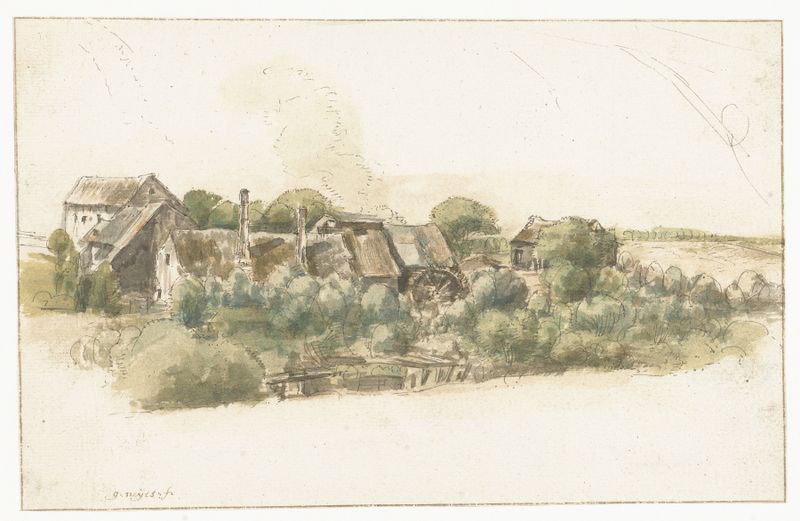
What if beauty was never meant to be finished? In that fleeting moment between creation and completion lies a revelation, an invitation to embrace imperfection. Look closely at the tranquil landscape, where the wooden bridge leads the viewer’s eye toward a serene arrangement of trees and flowing water. Notice how the soft greens and browns blend seamlessly, creating an aura of calmness. The painter's deft brush strokes capture the gentle ripples in the water, reflecting the dappled sunlight filtering through the leaves.
The composition invites exploration, guiding you from the bridge’s sturdy presence to the ethereal nature that surrounds it. Beneath the serene surface, there’s a sense of melancholy, as though the bridge symbolizes a passage between the known and the unknown. The juxtaposition of the solid structure against the fluidity of the water evokes a tension between stability and transience. Tiny details, like the delicate play of shadows and the subtle flicker of light, suggest the passage of time—an unspoken reminder that beauty is both enduring and ephemeral. Painted during the height of the Dutch Golden Age, this work reflects Gillis Neyts's mastery in portraying landscapes infused with grace.
Between 1633 and 1687, he navigated a world undergoing tremendous change, where art flourished alongside scientific inquiry. Neyts often drew inspiration from his surroundings, capturing the harmonious relationship between humanity and nature, a theme that resonates deeply in this exquisite piece.