Waterval — History & Facts
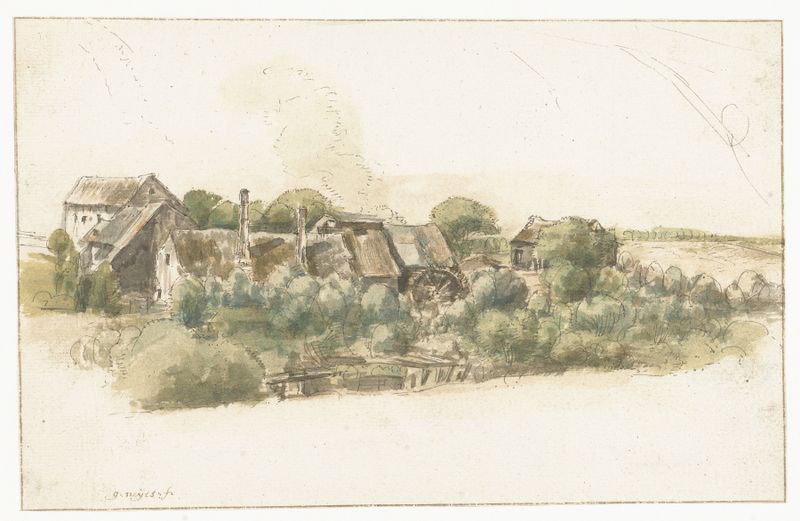
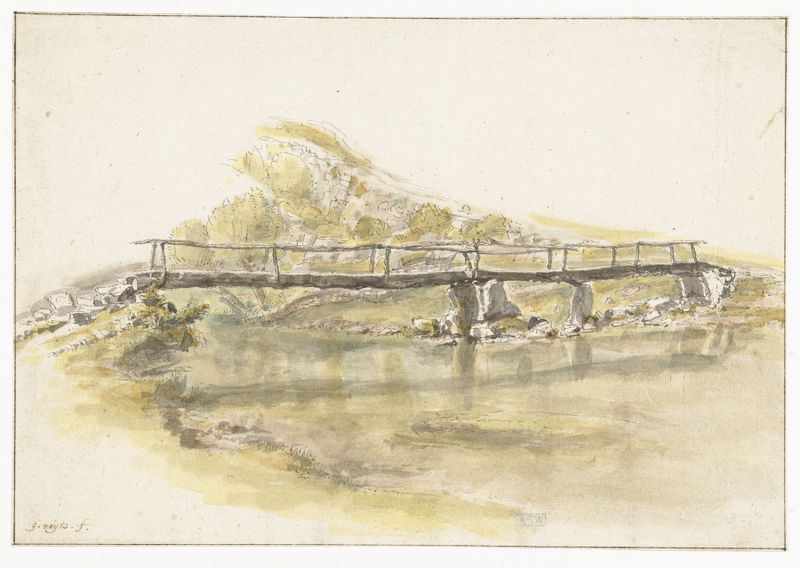
When did color learn to lie? In the delicate interplay of light and shadow, the essence of truth dances, beckoning us to question the very nature of perception itself. Look closely at the cascading water on the left, where the artist skillfully deploys vibrant blues and grays to convey both movement and depth. The reflections ripple upon the surface, drawing the eye into the vibrant whirl of the waterfall's embrace. Notice the daring contrasts — the lush greenery surrounding the falls juxtaposed against the stark, pale rocks, evoking a sense of vitality and tension that hovers in the air, almost palpable. There is a quiet yet profound emotional resonance in this work.
The gentle curves of the water suggest both grace and turmoil, as if the flow embodies the struggles of life itself. The surrounding flora, lush yet restrained, hints at the fragility of nature, a reminder of how beauty often exists on the precipice of chaos. This duality — the serene and the tumultuous — invites contemplation on our relationship with the natural world, reflecting on how movement shapes both landscape and experience. Gillis Neyts created this piece during the latter half of the 17th century, a period marked by burgeoning Baroque influences in the Netherlands.
Little is documented about Neyts's life, yet his works mirror the artistic exploration of the sublime, as artists sought to capture the complexity of emotion through nature. This work emerged from an era when the interplay of light, color, and movement evolved to reveal deeper narrative layers, illustrating both the power of nature and its inherent beauty.