
Hütte im Walde mit einigem Vieh, links ein Kirchturm — History & Facts
When did color learn to lie? Beneath a serene landscape, a quiet revelation awaits, as nature unravels its secrets through the brush of an artist who understood the language of both the seen and unseen. Look to the left at the church tower, an emblem of steadfastness rising above the humble abode nestled among the trees. The earthy tones of the cottage contrast sharply with the verdant greens of the surrounding forest, drawing your eyes into a world where simplicity and divinity coexist. Notice how the dappled sunlight filters through the leaves, casting intricate shadows that dance across the fields, whispering stories of pastoral life—a delicate balance between light and shadow that invites contemplation. Yet, as you delve deeper, subtle tensions emerge.
The tranquil scene belies an undercurrent of isolation; the absence of human figures suggests a moment frozen in time, where life is both present and absent. This juxtaposition prompts reflection on the community’s connection to nature and the divine, evoking a sense of longing for belonging amidst the vastness of the wilderness. Each brushstroke vibrates with the emotional weight of solitude and the comfort found in faith—the tower stands sentinel over both. Jacob Cats painted this work in 1788, a period marked by shifting artistic ideals and the prelude to Romanticism.
Living in the Netherlands, he was influenced by the Enlightenment's reverence for nature and the human experience within it. As the world around him grappled with revolution and change, his art captured a timeless moment, reminding viewers of the eternal dance between humanity, nature, and the divine.
More Artworks by Jacob Cats
Browse all →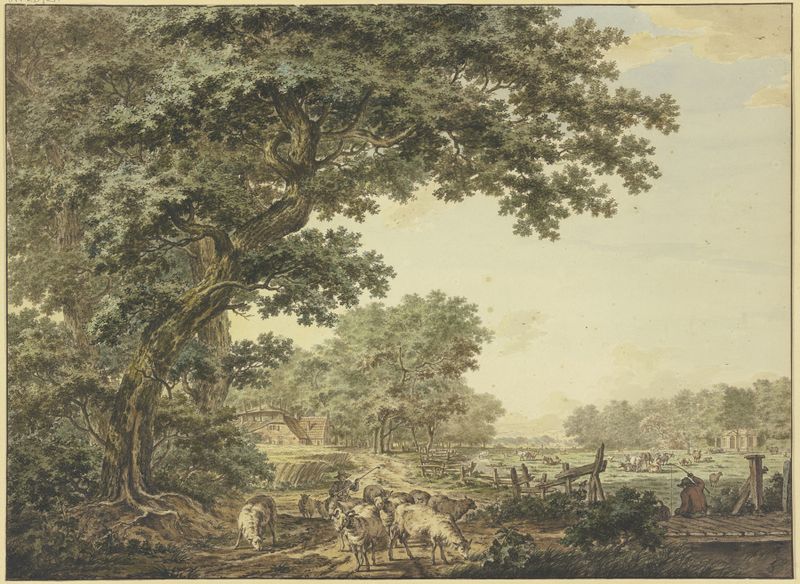
Wiesengrund zwischen dem Wald mit vielem Vieh, vorne ein Schäfer mit seiner Herde, auf einer Brücke rechts ein Angler
Jacob Cats
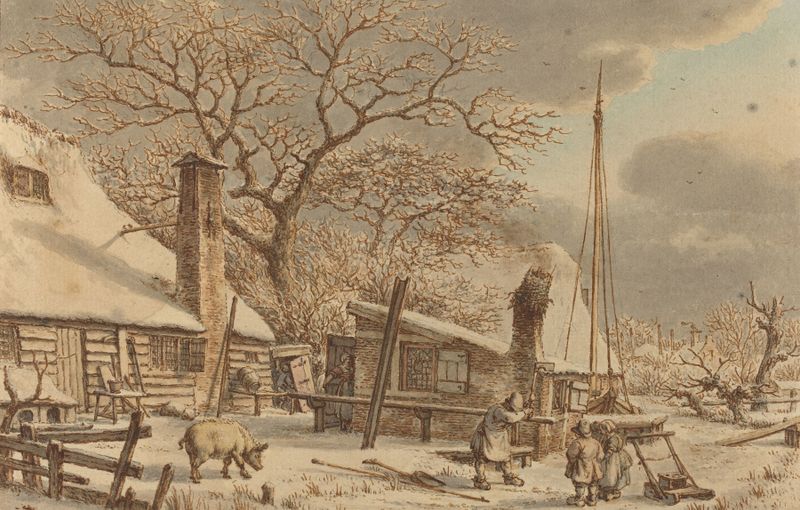
Farmyard in Winter
Jacob Cats
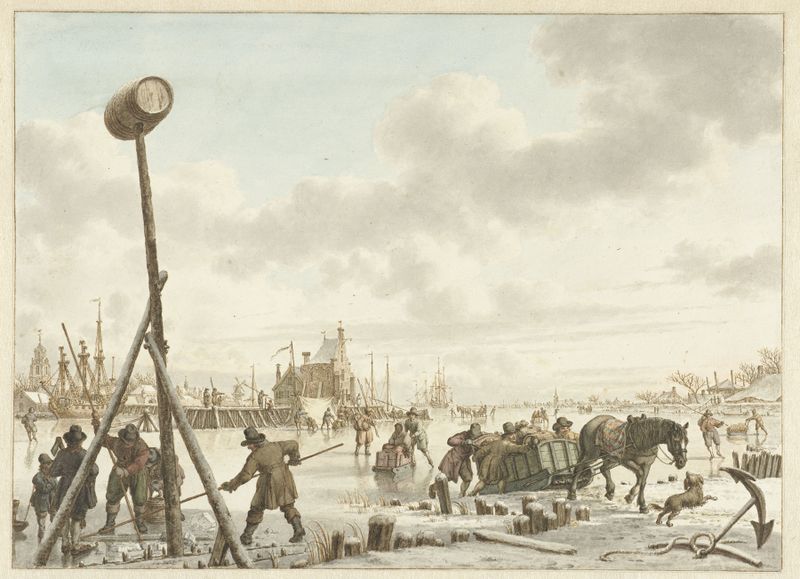
Bedrijvigheid op het ijs bij de stadswal van Veere
Jacob Cats
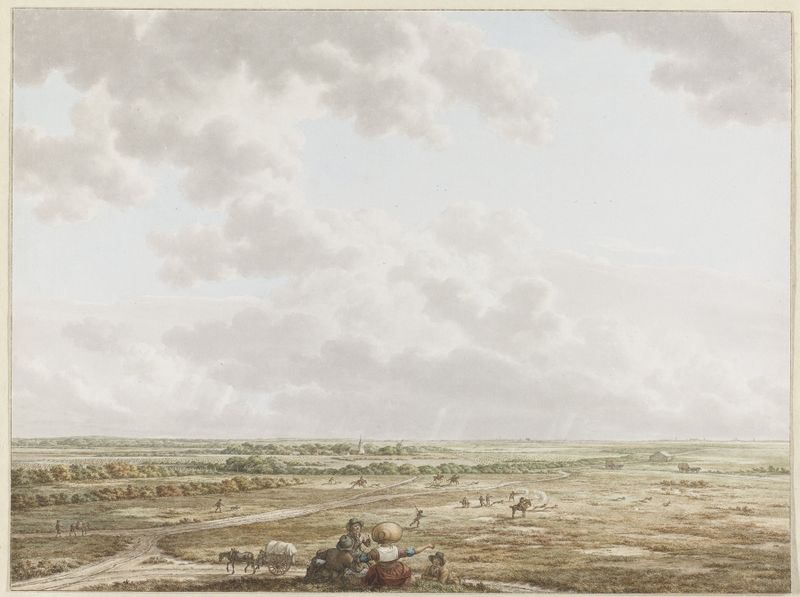
Gezicht van de Tafelberg bij Blaricum, met op de voorgrond Laren
Jacob Cats

Gezicht van de Tafelberg bij Blaricum, met links Craayloos’ Bosch en rechts de ‘tafel’
Jacob Cats
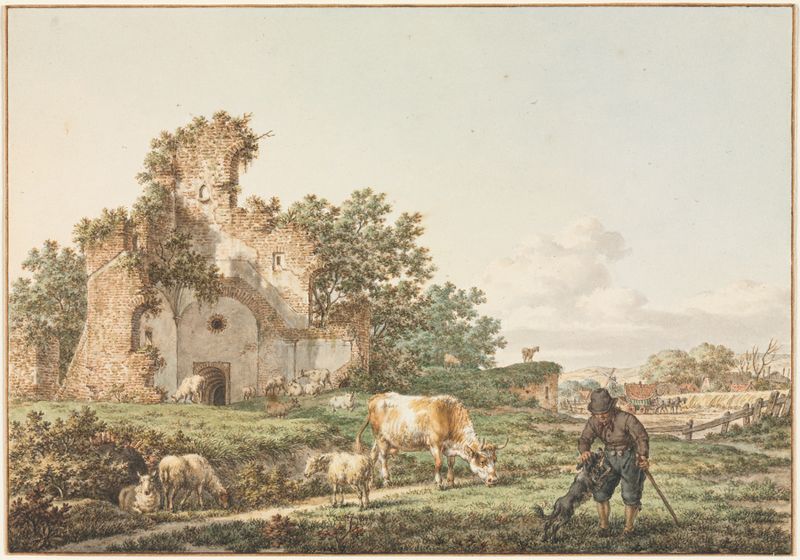
Pastoral Landscape with a Ruin
Jacob Cats
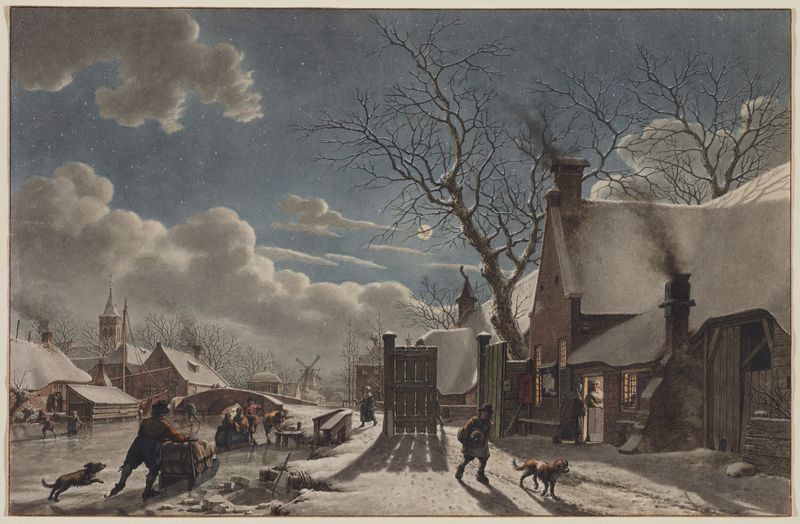
Winter Night in a Dutch Town
Jacob Cats

View of Heemstede
Jacob Cats
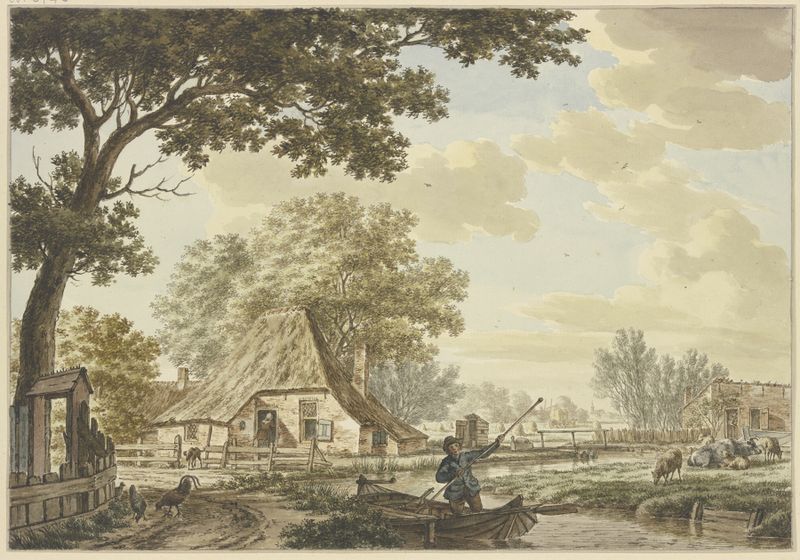
Enger Kanal bei einem Dorf, darauf ein Mann in einem Kahn, rechts Vieh, links Hühner
Jacob Cats
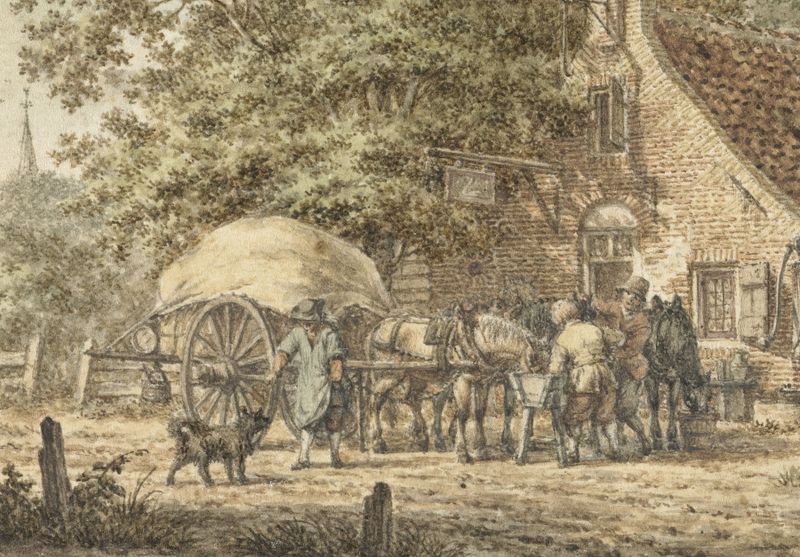
Halte voor een herberg in zomertijd
Jacob Cats





