Huizen in de Vinkenbuurt, Amsterdam — History & Facts
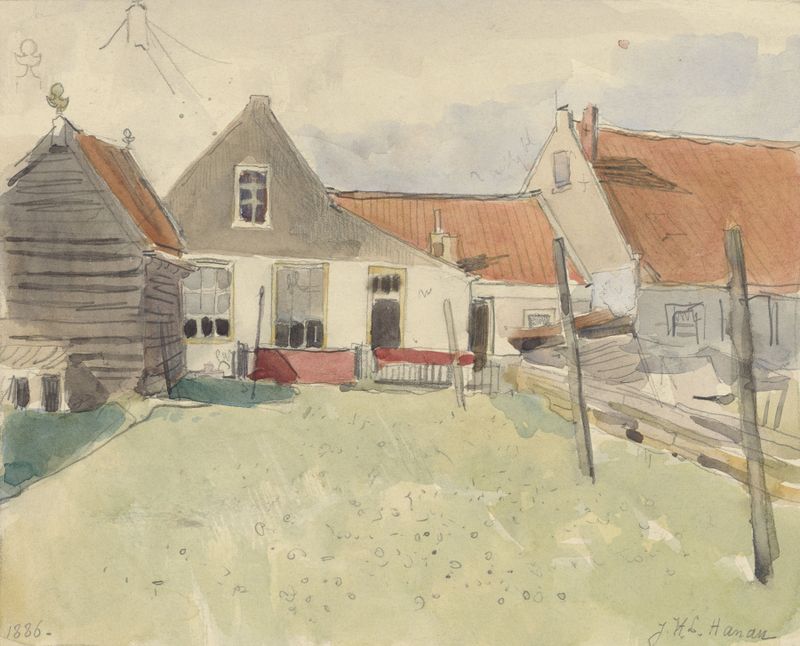
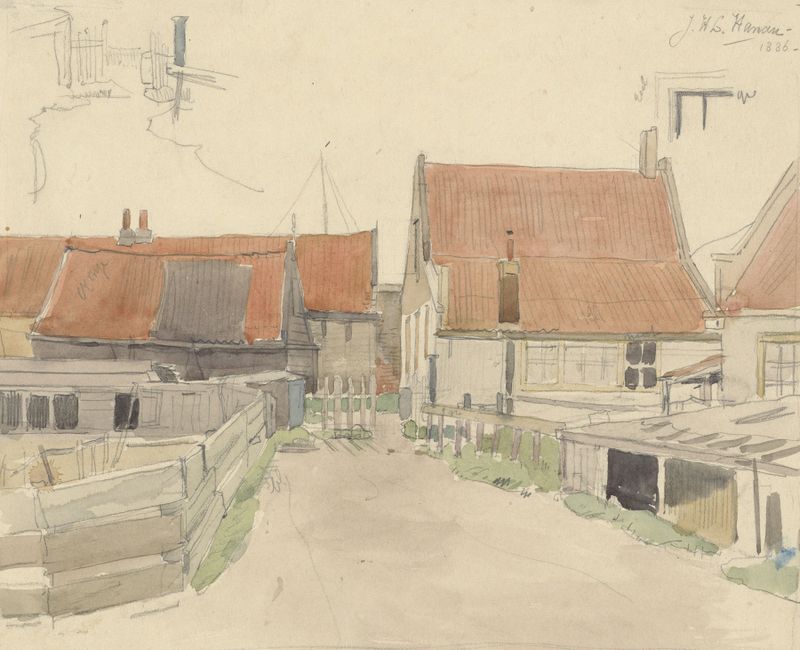
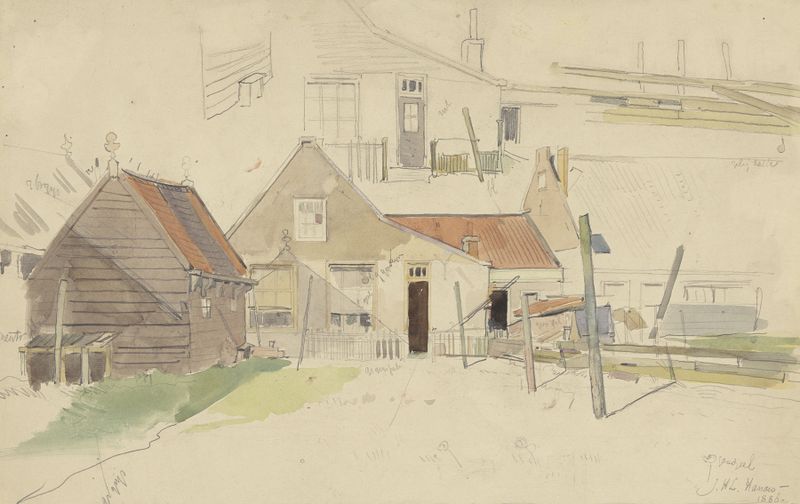
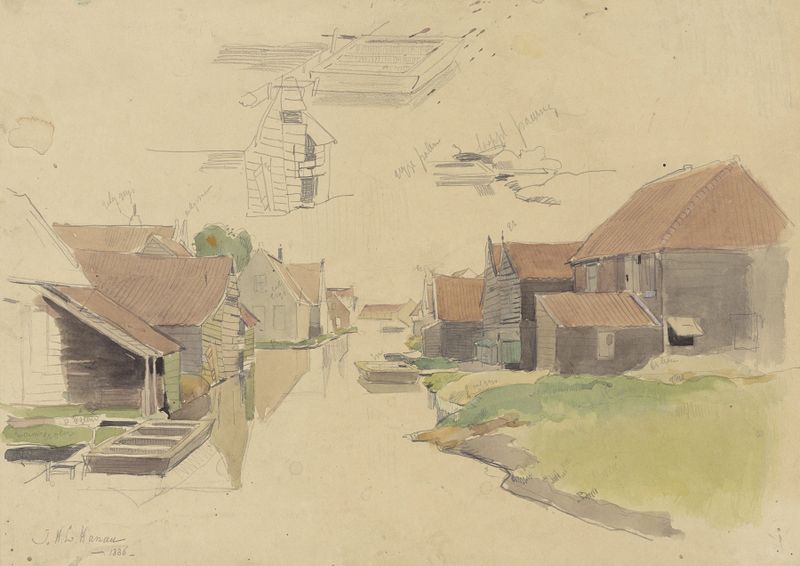
Can beauty exist without sorrow? In the quiet streets of Amsterdam, the interplay of light and shadow invites contemplation, revealing layers of life intertwined with unspoken narratives. Look to the center of the canvas, where a row of charming houses stands side by side, their façades painted in warm, inviting hues. Notice how the soft sunlight bathes the buildings, casting gentle shadows that dance on the cobblestones below. The artist's brushwork reveals a meticulous attention to detail; the textures of brick and wood come alive, while the slightly muted palette evokes a nostalgia for simpler times.
The scene, framed by overhanging trees, beckons the viewer to step closer, suggesting a hidden world just beyond the surface. As you explore further, observe the subtle contrasts between light and dark, symbolizing the coexistence of joy and melancholy. The warm glow of the sunlight juxtaposed with the cool shadows implies an inherent duality, where beauty coexists with the whispers of heartache. Each window, framed by delicate curtains, hints at lives unfolding within—each story a testament to faith, resilience, and the quiet struggles of everyday existence. In 1885, Jan H.L.
Hanau captured this tranquil scene amidst a period of artistic exploration in the Netherlands, where realism was gaining prominence. Living in Amsterdam, he found inspiration in the city's unique architecture and character, reflecting a moment in time when artists sought to portray authenticity in their work. This painting serves as a window into both the artist’s life and the vibrant urban life of his era.