Huizen in de Vinkenbuurt, Amsterdam — History & Facts
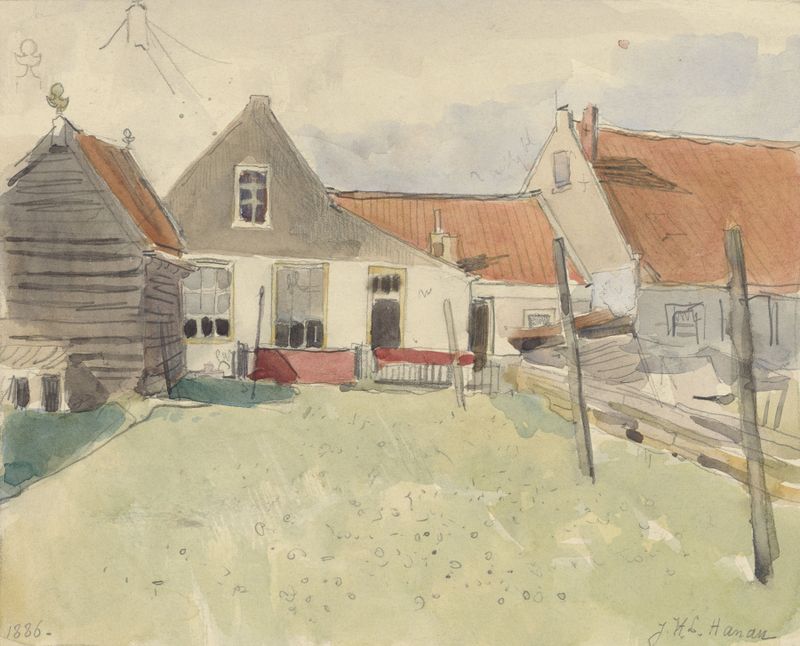
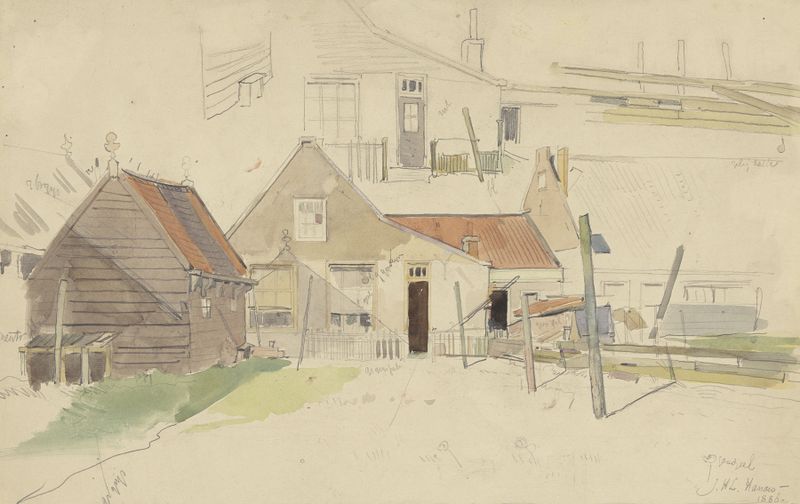
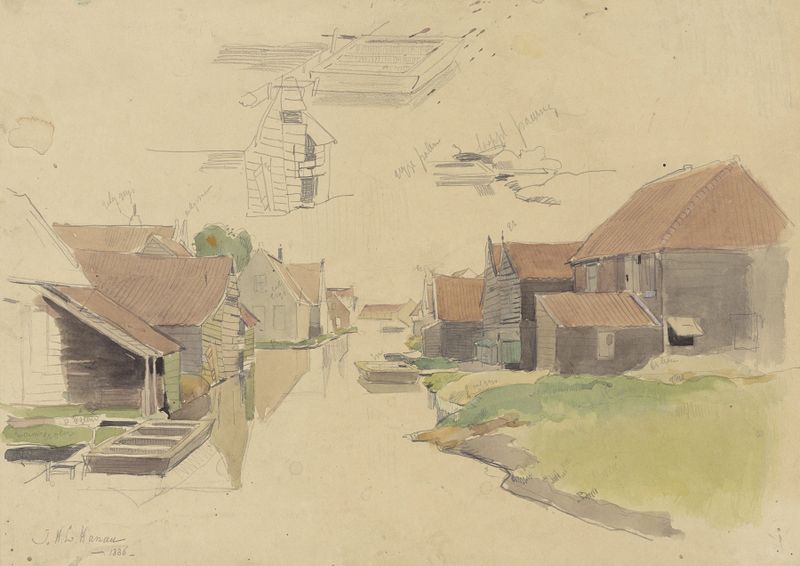
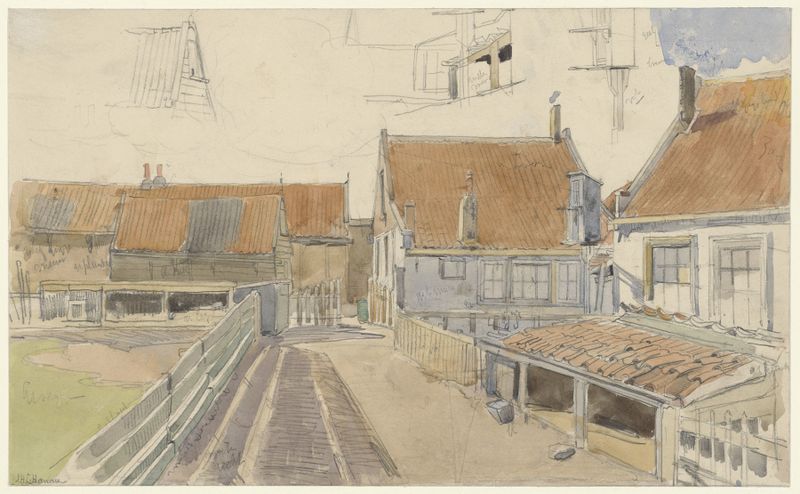
What if silence could speak through light? In Huizen in de Vinkenbuurt, Amsterdam, every beam of sunlight whispers stories of longing, inviting us to glimpse a world both familiar and distant. Look to the left at the soft shadows cast by the quaint houses, their gabled roofs and weather-worn facades embodying the passage of time. The muted palette of earthy browns and gentle greens creates an intimate atmosphere, while the delicate interplay of light and shade draws the eye towards the inviting doorway nestled among the buildings. Notice how the artist’s brush captures the tranquility of a moment, allowing every detail to breathe, and urging the viewer to wander deeper into the scene. Beneath the surface, the composition reveals layers of emotional complexity.
The stillness of the scene evokes a yearning for connection, as if the houses themselves hold secrets of lives lived within. The absence of people amplifies the sense of solitude, making the viewer acutely aware of their own presence in this serene landscape. This meditative quality encourages reflection on the nature of home, memory, and the silent stories embedded in brick and mortar. Jan H.L.
Hanau painted this piece in 1886, during a period marked by a rising interest in Impressionism within the Netherlands. Working in Amsterdam, he explored themes of everyday life, capturing the essence of the neighborhoods and their inhabitants. This work reflects not only his personal dedication to the beauty of urban landscapes but also the broader artistic movement that sought to encapsulate fleeting moments of light and mood in an increasingly modern world.