Huizen in Herculaneum — History & Facts
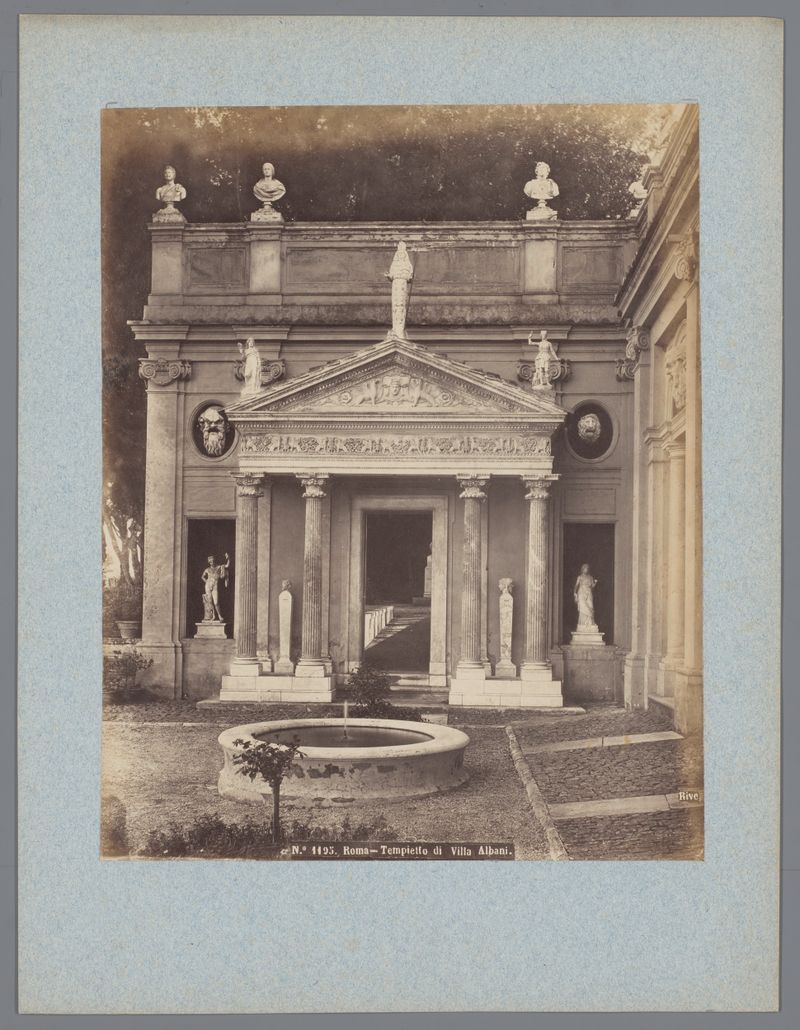
What if silence could speak through light? In Huizen in Herculaneum, the stillness of a forgotten town echoes through the gentle play of shade and luminescence. Look to the center of the canvas, where the soft hues of ochre and warm earth tones converge to depict the sun-drenched facades of the ancient homes. Notice how the dappled light creates an intimate embrace, revealing the textured surfaces of stone and the delicate shadows that lie in waiting. The meticulous brushwork draws the eye not only to the buildings but also to the surrounding silence — an unyielding presence that envelops the scene. Amidst the tranquil beauty lies a deeper commentary on the passage of time.
The abandoned structures, remnants of life once vibrant, evoke a melancholy sense of loss, while the vibrancy of nature that encroaches upon them speaks to resilience. This juxtaposition between decay and renewal invites contemplation of existence and the void left behind, as if each stroke of paint is a whisper of history longing to be heard. Painted in the late 19th century, Rive’s work emerged during a period of heightened interest in archaeological discoveries. The rediscovery of Herculaneum and Pompeii sparked a fascination with the past, influencing artists to explore themes of ruins and memory.
At this time, Rive was deeply engaged with the interplay of light and shadow, which became a hallmark of his style, bridging the gap between realism and impressionism.