Humphrey’s Ledge — History & Facts
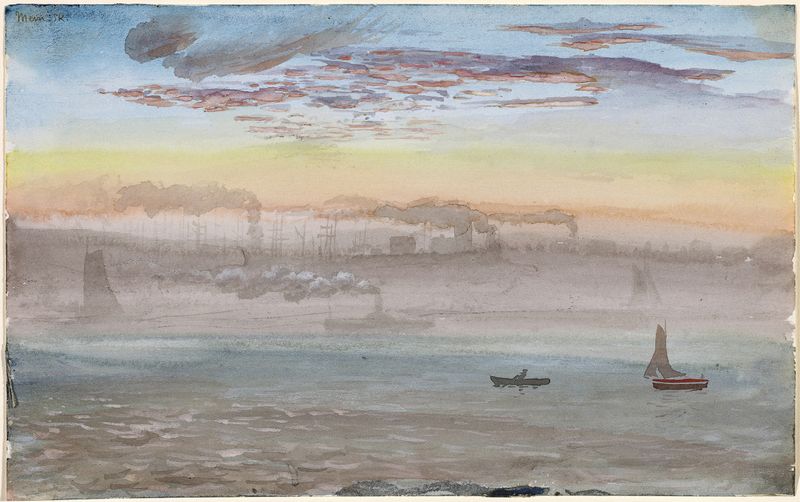
When did color learn to lie? In the quiet embrace of Humphrey’s Ledge, a serene landscape unfolds, whispering secrets of nature’s tranquility. The hues of green and blue beckon us to a world where perception dances with reality, challenging our understanding of serenity. Look to the left at the gentle undulation of the hills, where verdant treetops meet a cerulean sky. The delicate brushstrokes evoke a sense of movement in the leaves, while the sunlight dapples the ground, creating a tapestry of light and shadow.
Notice how the water glistens like scattered diamonds; its reflective surface draws the eye, presenting an invitation to linger longer. The composition is perfectly balanced, inviting viewers to explore each element with an ease that mirrors the peacefulness of the scene. Yet, beneath the surface lies a subtle tension. The contrast between the vivid colors and the stillness of the water hints at a deeper narrative, one where the calmness may conceal unspoken truths.
The soft interplay of light suggests a fleeting moment, as if the landscape holds its breath, waiting for something to unfold. These nuances amplify the emotional resonance, prompting contemplation on the nature of tranquility itself. In 1860, Charles de Wolf Brownell painted this canvas while living in a period of artistic exploration and American Romanticism. The mid-19th century saw an awakening in landscape painting, with artists seeking to capture the sublime beauty of the American wilderness.
Brownell’s work reflects this zeitgeist, as he embraced both the aesthetic and the philosophical, illustrating not only the scene but also the spirit of the time.