
Hundesøen paa Møen — History & Facts
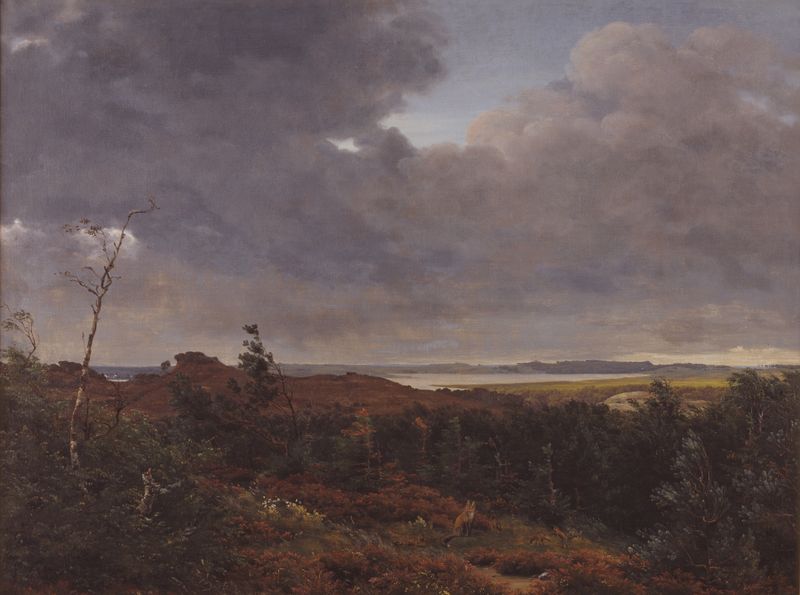
Within the stillness of P. C. Skovgaard’s work, a quiet awakening unfolds, inviting viewers to contemplate the world through a gentle lens. Look to the left where the serene water of the lake mirrors the soft greens of the surrounding landscape.
Notice how the intricate brushwork captures the delicate play of light on the surface, creating a mesmerizing dance between nature and reflection. The hues blend harmoniously, with earthy tones of brown and verdant greens giving life to a tranquil scene that beckons for exploration. As you immerse yourself further, observe the contrast between the calm water and the lively dogs romping along the shore. This juxtaposition serves as a reminder of innocence and vitality amidst the serene backdrop.
The trees stand sentry, their branches framing the scene, enhancing the feeling of a protected sanctuary where life momentarily pauses, allowing for introspection and connection. Created between 1845 and 1846, this painting emerged during a transformative era for Skovgaard, who was deeply influenced by the Romantic movement's emphasis on nature and emotion. While he was in Denmark, he sought to capture the harmony of the natural world in a way that resonated with both personal experience and broader artistic trends. This period marked a shift towards capturing more intimate scenes, reflecting a growing public interest in landscapes that evoke a sense of peace and connection to the Earth.
More Artworks by P. C. Skovgaard
Browse all →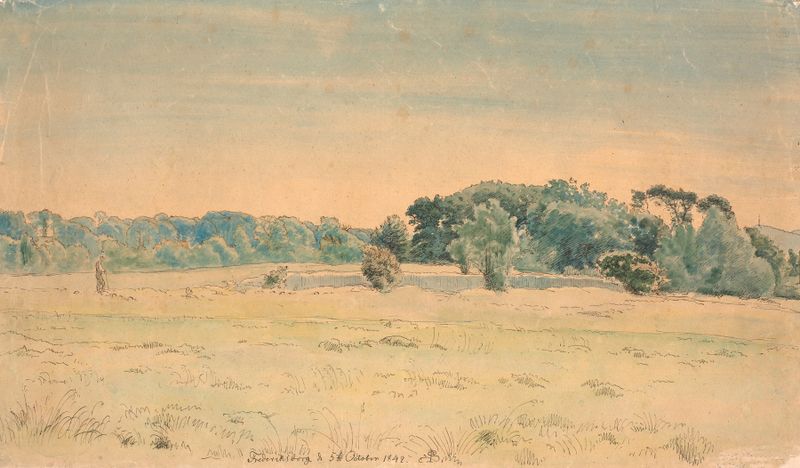
Landskab fra Frederiksborg
P. C. Skovgaard
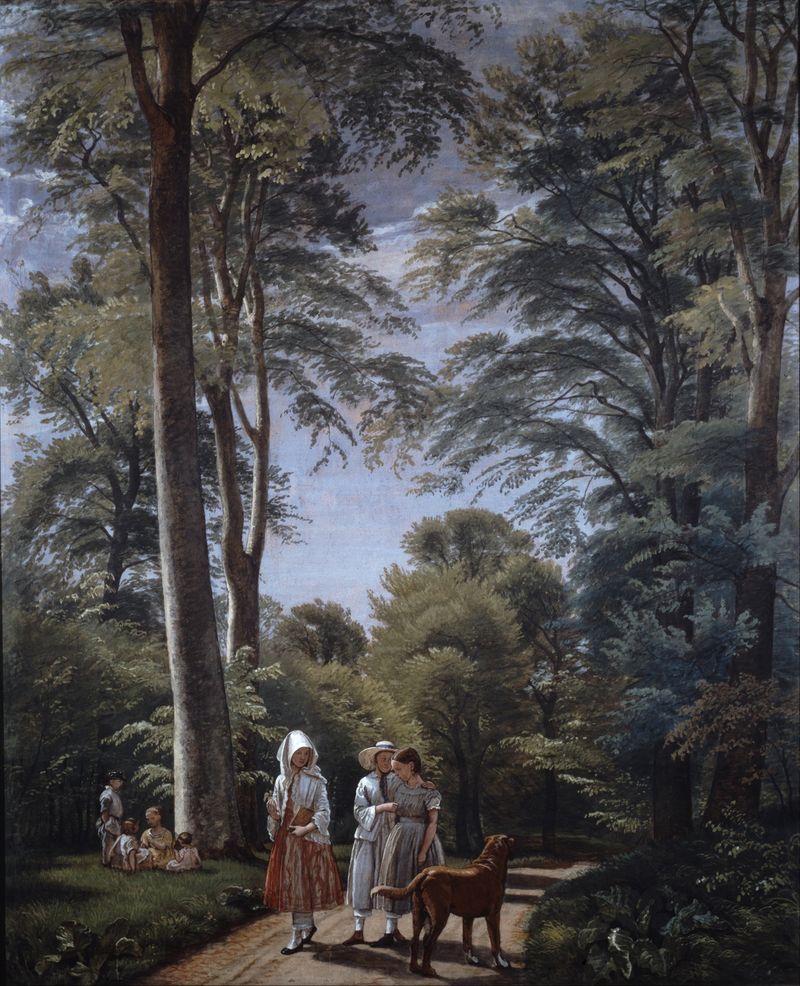
Beech Wood in May
P. C. Skovgaard
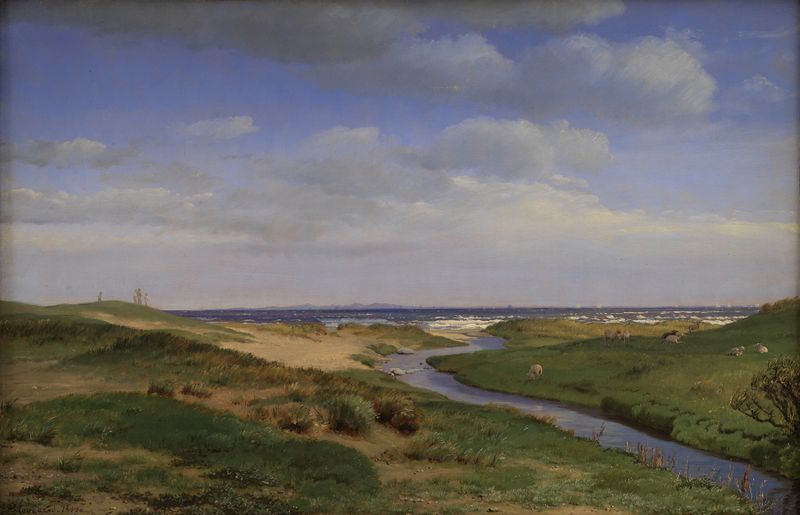
View of the North Coast of Zealand at Dronningmølle
P. C. Skovgaard
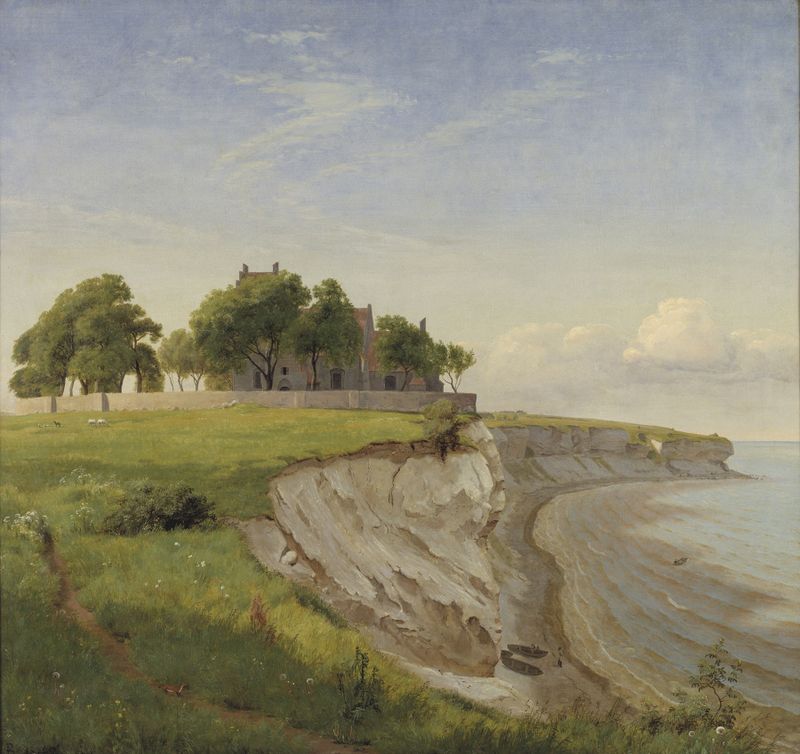
Højerup Church on the Cliffs of Stevns, Zealand
P. C. Skovgaard
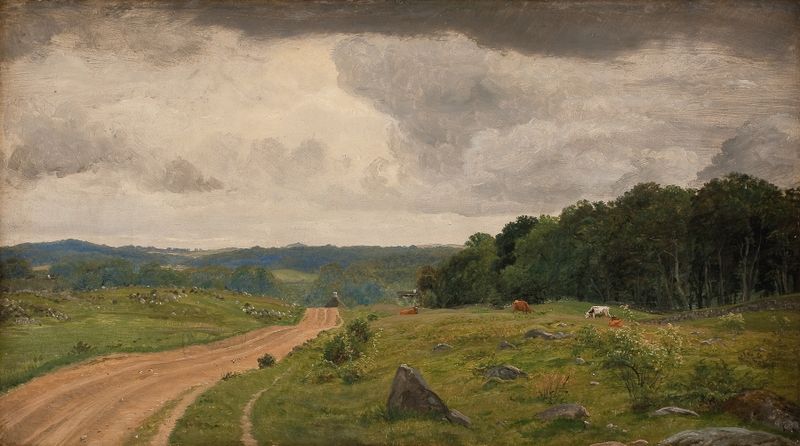
Landscape at Kongens Møller, Sealand. Afternoon Light
P. C. Skovgaard
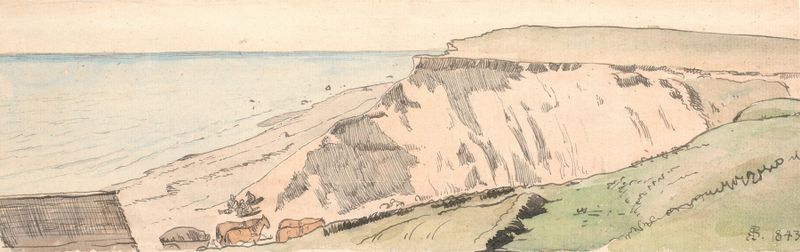
Kløften ved Helenes kilde i Tisvilde
P. C. Skovgaard
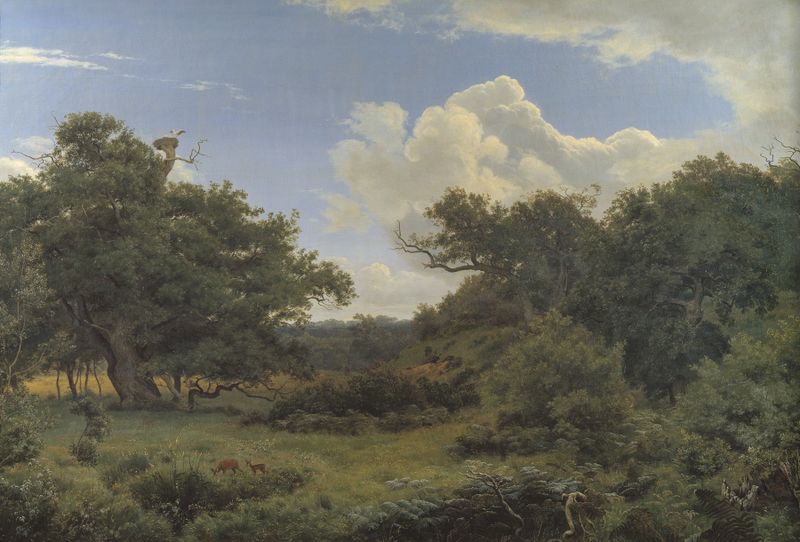
Oak Trees in Nordskoven near Jægerspris, Zealand
P. C. Skovgaard
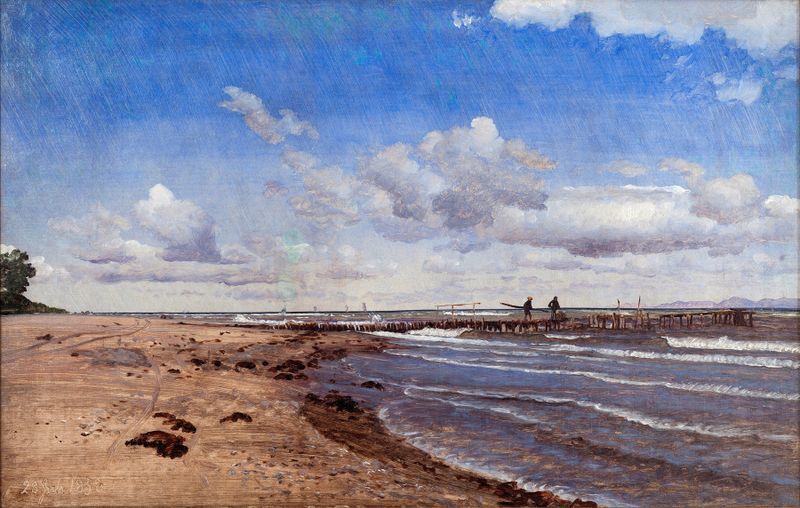
Beach at Hellebæk
P. C. Skovgaard
View of Frederiksværk from Tisvilde Wood, North Zealand
P. C. Skovgaard
Landskab ved Skarritsø med to høje træer, bøge, i forgrunden
P. C. Skovgaard





