Ice-House — History & Facts
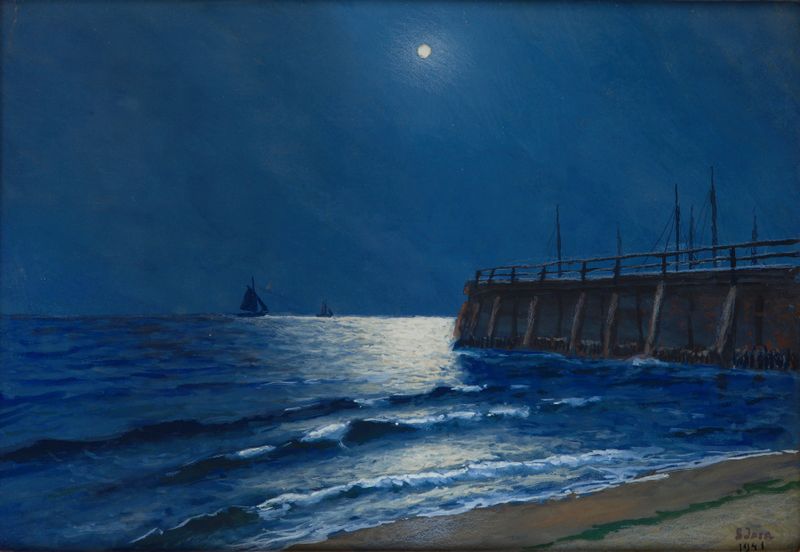
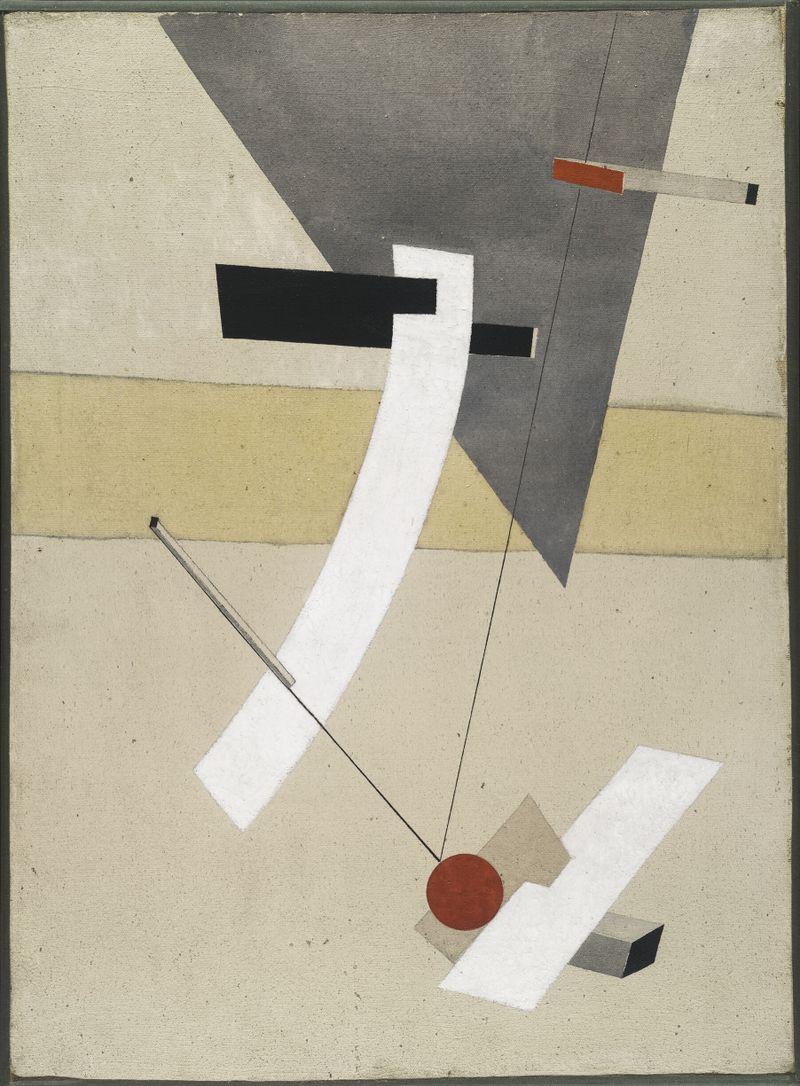
Can beauty exist without sorrow? In Ice-House, Soter August Jaxa-Małachowski prompts us to confront this question, intertwining aesthetics with unsettling undertones of violence. Look to the center, where the stark, crystalline formations rise sharply against the canvas; their jagged edges suggest both fragility and ferocity. The cool palette of icy blues and muted whites draws the eye, creating a chilling atmosphere that resonates with the viewer. Notice how the light captures the textures of the ice, rendering a surface both alluring and treacherous, inviting yet forbidding.
The artist's masterful brushwork conveys motion, as if the ice is alive, shifting in an unseen breeze, hinting at the inherent tension within this serene façade. Within this work lies a profound exploration of contrast; the beauty of the ice juxtaposed against the latent violence of its creation. Each facet reflects light, yet also obscures the turmoil beneath its surface, suggesting a world where calmness coexists with danger. The delicate interplay of shapes hints at the fragility of existence and the capacity for destruction, evoking a sense of unease that lingers long after the viewer's gaze has shifted. Jaxa-Małachowski painted Ice-House in 1918, during a tumultuous period marked by the aftermath of World War I.
Living in Poland, he was influenced by the shifting tides of society and the art world that grappled with the scars of conflict. This painting not only reflects his response to the surrounding violence but also embodies the tension between beauty and despair, a theme that resonates deeply in the fractured landscape of post-war Europe.