Im stillen Grund — History & Facts
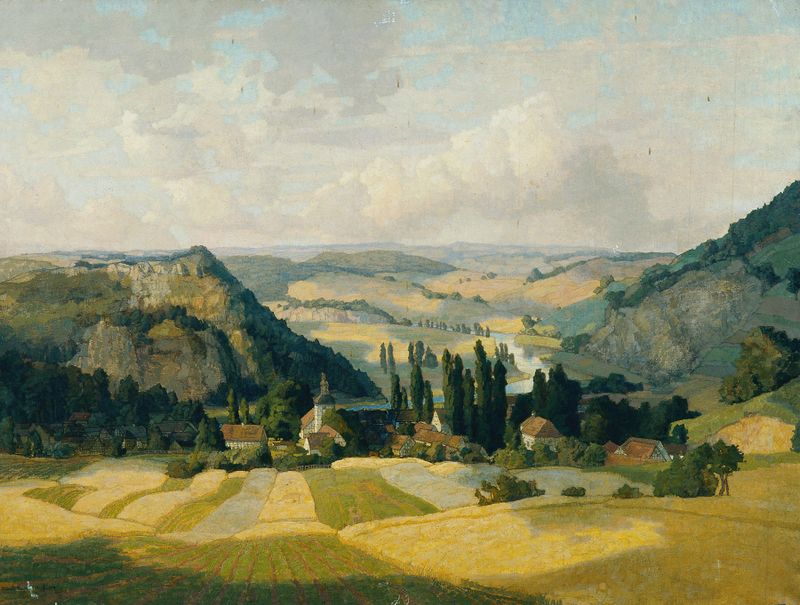
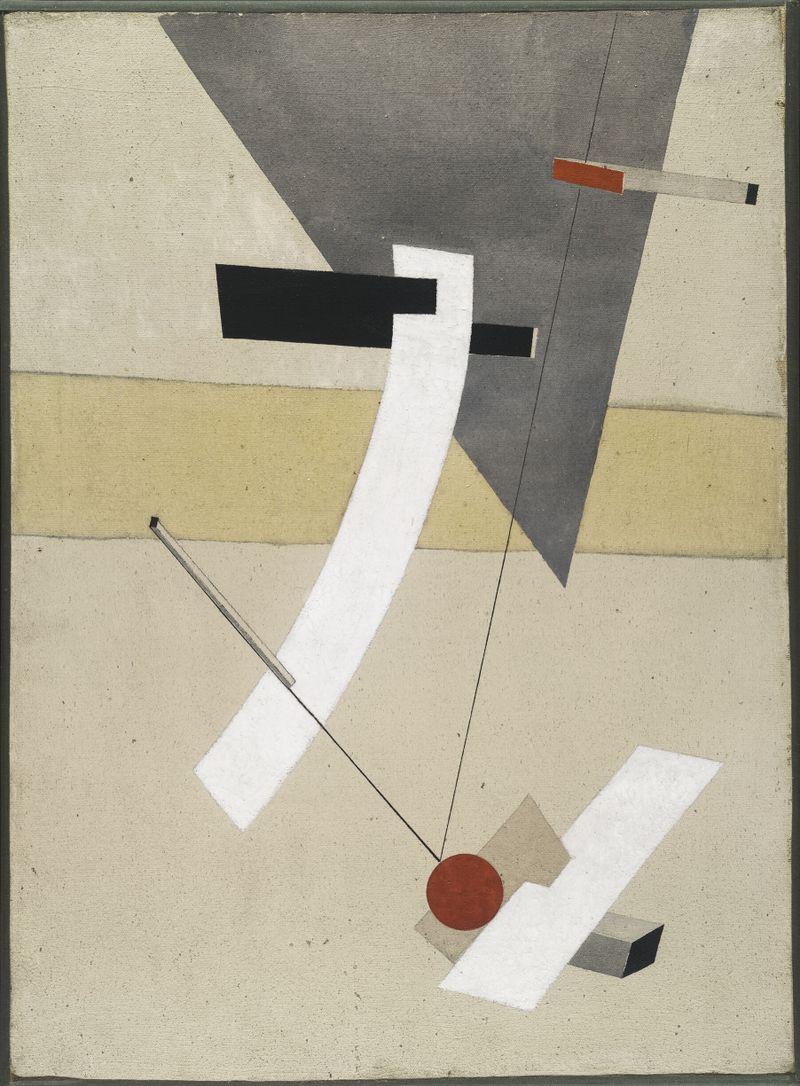
In that stillness, we confront the haunting presence of decay, a reminder of our fragile existence. Each brushstroke captures time's slow erosion, revealing the beauty intertwined with transience. Look to the center of the canvas, where gentle hues of muted greens and browns converge. The artist’s careful layering creates a textured surface that seems to breathe, inviting viewers to touch the very essence of nature's quiet degradation.
Light spills softly across the scene, illuminating the interplay between shadow and form, guiding your gaze toward delicate patterns of growth fighting against the decay. Hidden within this portrayal lies a profound meditation on life and death. The juxtaposition of vibrant life against the backdrop of deterioration evokes a sense of melancholy, illustrating how beauty often resides in imperfection. Subtle details, such as the fragile petals and rusted leaves, symbolize resilience, urging us to acknowledge that even in decay, there is a poignant narrative waiting to be embraced. Richard Kaiser painted this work in 1913 during a turbulent period marked by political strife and existential introspection in Europe.
At this time, artists were beginning to explore themes of decay and renewal in nature, reflecting broader societal concerns. This piece exemplifies Kaiser’s fascination with the ephemeral, encapsulating a moment where nature's cycle becomes a mirror for the human condition.