
Immensée et le Rigi Lac de Zoug — History & Facts
In a world where colors fade with the passing seasons, the vibrant hues of the Swiss landscape remain a testament to nature’s eternal beauty. Look to the left at the bold strokes that define the undulating hills, an emerald tapestry woven against a backdrop of cerulean skies. The interplay of light and shadow enhances the depth, guiding your gaze toward the distant Rigi, its graceful form kissed by the sun. The artist's deft use of color creates a harmonious atmosphere, making the viewer feel both the calm and the vibrant pulse of life in the landscape. Yet, beneath the surface lies a poignant duality.
The serene lake reflects a tranquil existence, yet the vivid colors hint at an underlying turbulence, a reminder of nature’s unpredictable temperament. Each brushstroke seems to capture not just a moment in time, but an emotional resonance—the joy of a sunlit day contrasted with the whispers of a storm that could arise at any moment. This tension invites contemplation, urging viewers to find solace amidst uncertainty. Jean Jacottet created this work during a period in his life characterized by a deep connection to the natural world around him.
Although the exact date remains unknown, it is believed that it was painted during the late 19th century in Switzerland, a time when the Impressionist movement was influencing artists to explore light and color in new ways. In this context, the work reflects both a personal and artistic quest to capture ephemeral beauty in the face of inevitable change.
More Artworks by Jean Jacottet
Browse all →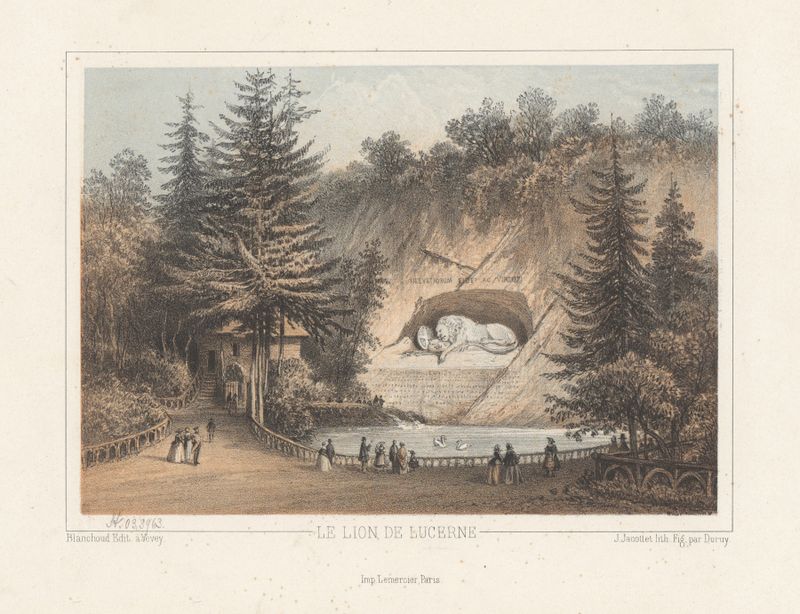
Le lion de Lucerne
Jean Jacottet
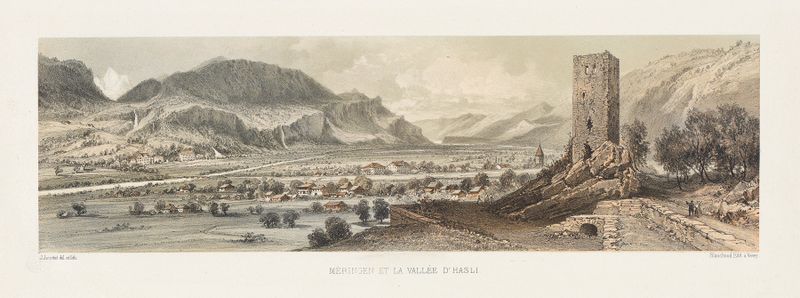
Méringen et la vallée d’Hasli
Jean Jacottet
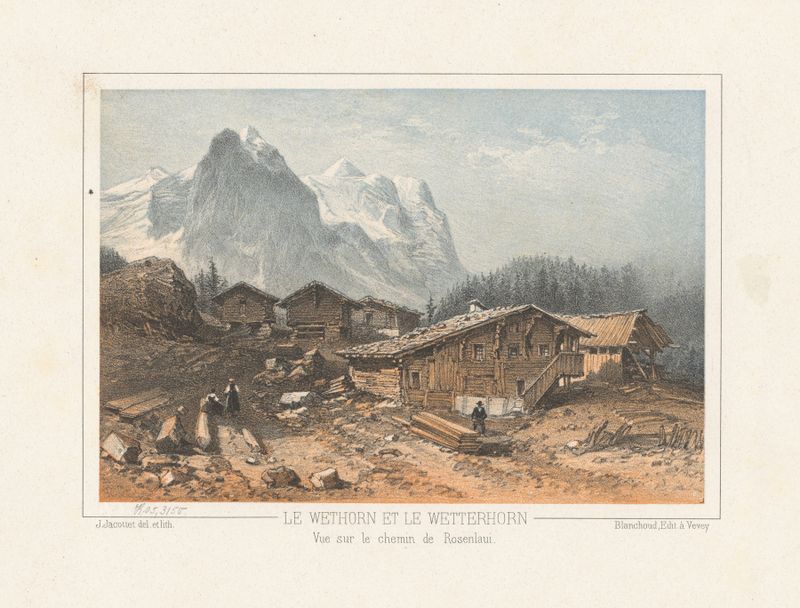
Le Wethorn et le Wetterhorn Vue sur le chemin de Rosenlaui
Jean Jacottet
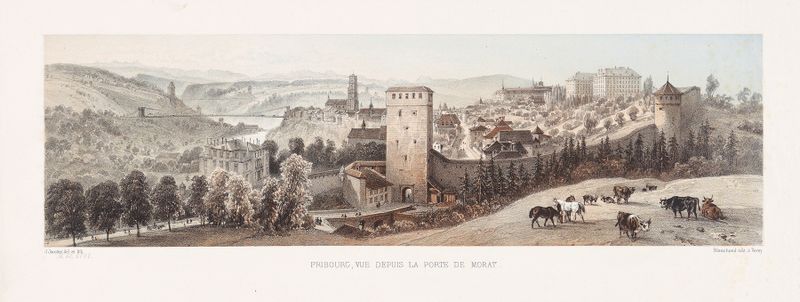
Fribourg, vue depuis la porte de Morat
Jean Jacottet
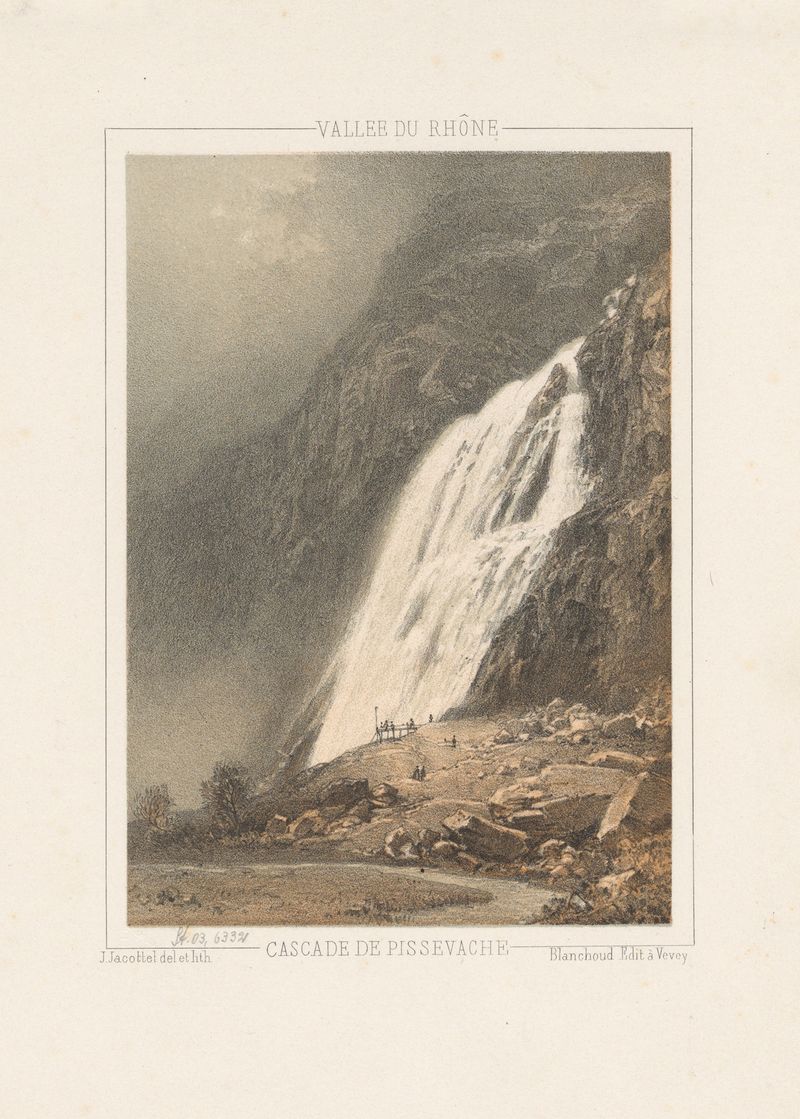
Cascade de Pissevache
Jean Jacottet
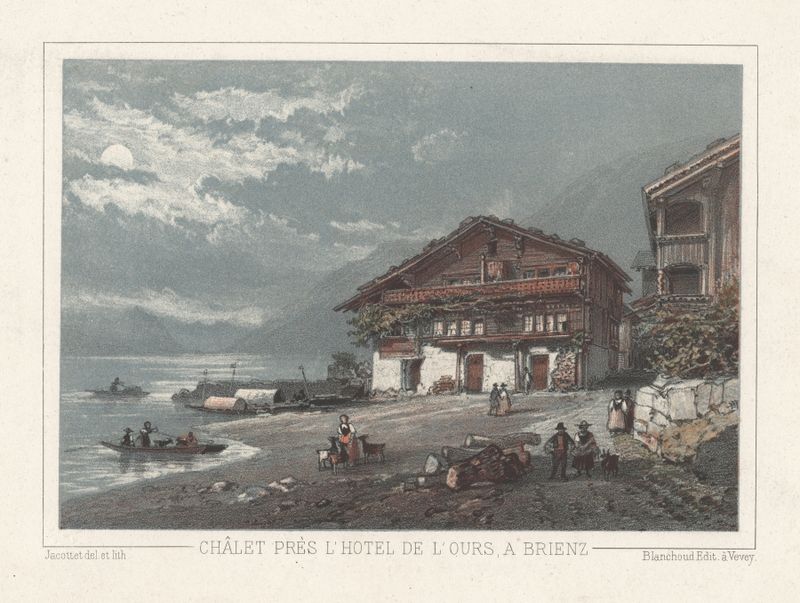
Châlet près l’Hotel de l’Ours, a Brienz
Jean Jacottet
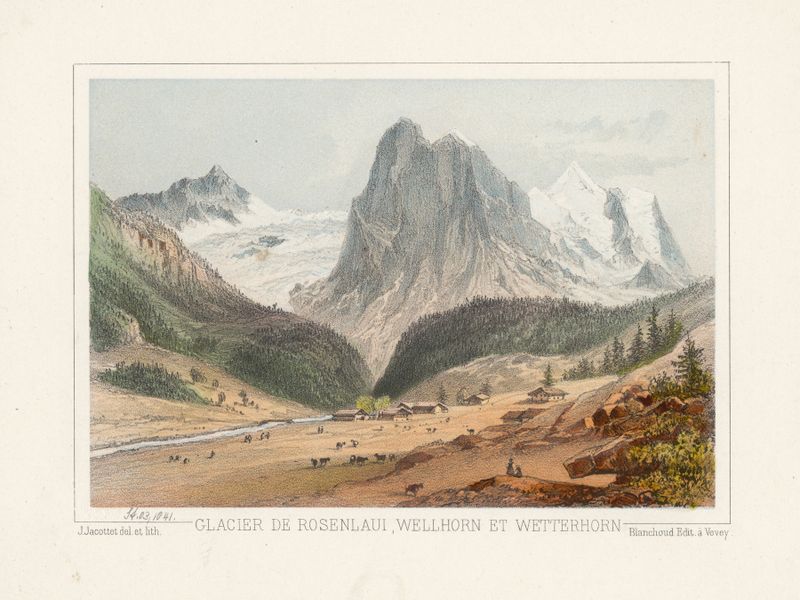
Glacier de Rosenlaui, Wellhorn et Wetterhorn
Jean Jacottet
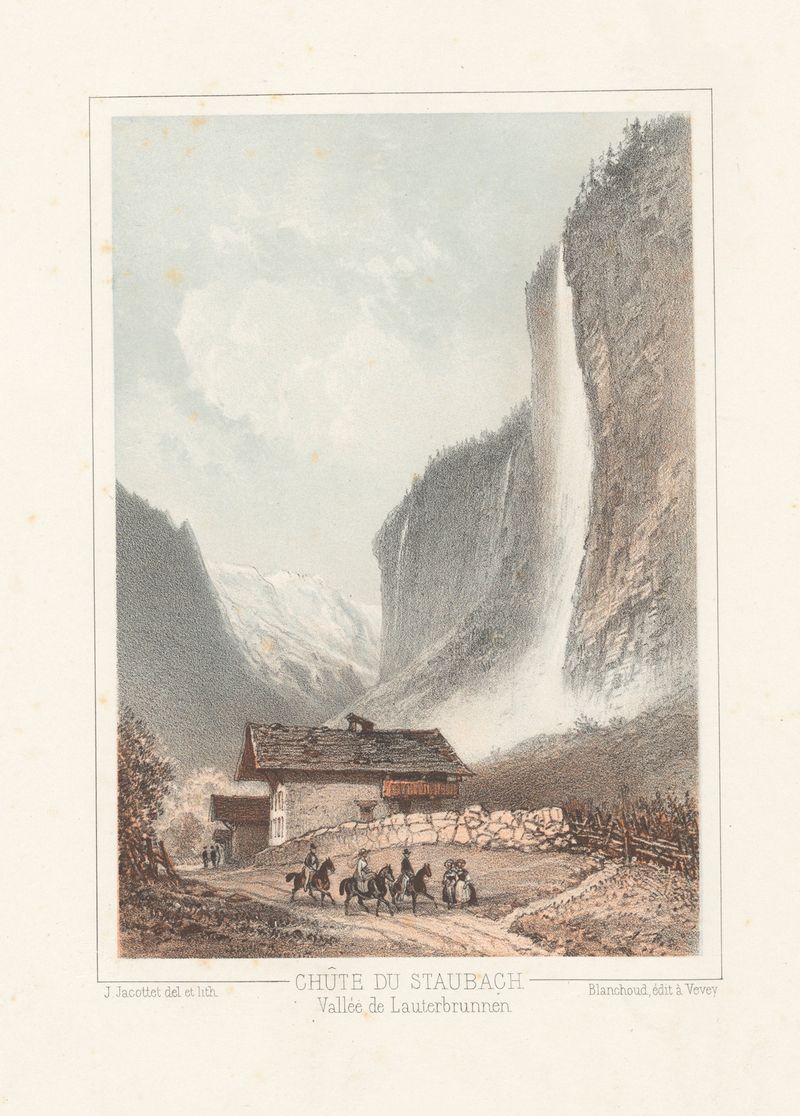
Chûte du Staubach Vallée de Lauterbrunnen
Jean Jacottet
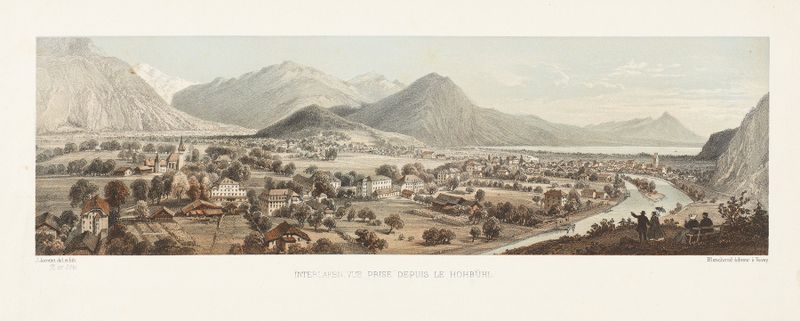
Interlaken, vue prise depuis le Hohbühl
Jean Jacottet
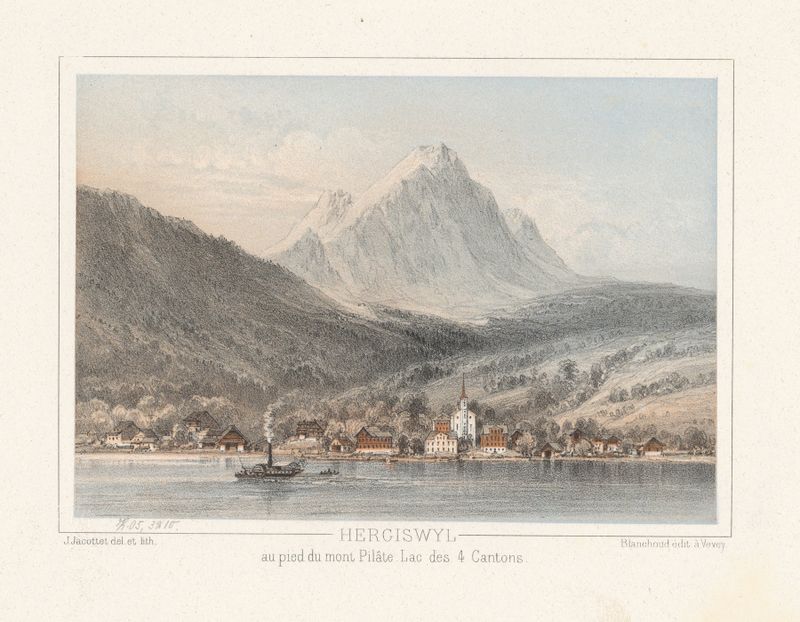
Hergiswyl au pied du mont Pilâte. Lac des 4 Cantons
Jean Jacottet





