In einem Hammam in Tunis (Tunesien) — History & Facts
What secret hides in the quiet of the canvas? In the stillness of In einem Hammam in Tunis, a yearning whispers through the intricate patterns and soft shadows, inviting us to explore the depths of longing and intimacy. Focus on the sumptuous palette of warm earth tones and soft blues that envelop the figures draped in languid postures. Notice how the light filters through the ornate arches, caressing the surfaces with a gentle glow that breathes life into the scene. The interplay of light and shadow creates a soothing rhythm, drawing your eye to the central figure, who appears to be both at ease and lost in thought, embodying a contemplative tranquility. Hidden beneath the surface, the painting reveals contrasts between the bustling world outside and the serene energy within, highlighting the tension between reality and reverie.
The use of intricate tile work and plush textiles suggests a richness of culture and history, while the expressions of the figures evoke a sense of vulnerability and connection. Their shared space hints at a communal experience that transcends mere representation, whispering the shared burdens and joys of existence. Jacovleff painted this work in 1930 while exploring Tunisia, a time when European artists were increasingly captivated by North African culture. The artist's journey was marked by a quest for authenticity, as he sought to convey the essence of the places he visited.
In a rapidly changing world, where tradition clashed with modernity, this piece stands as a testament to his desire to capture the subtle nuances of human emotion amidst a vibrant cultural tapestry.
More Artworks by Alexandre Jacovleff
Browse all →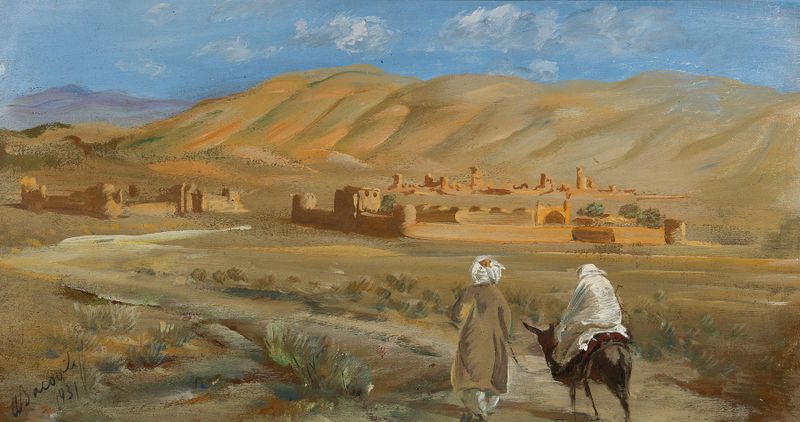
In the desert of Afghanistan
Alexandre Jacovleff
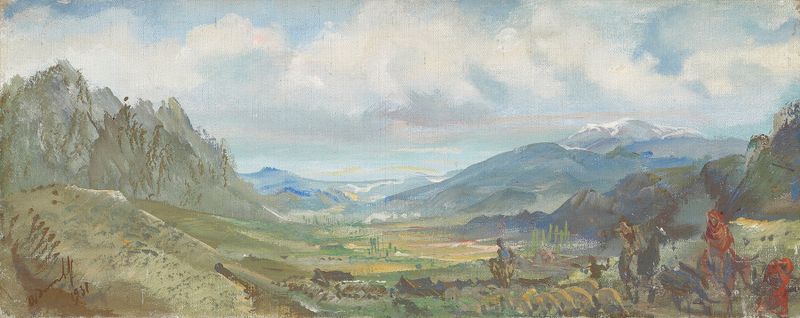
Nomades Kurdes dans les défilés du Zagros
Alexandre Jacovleff
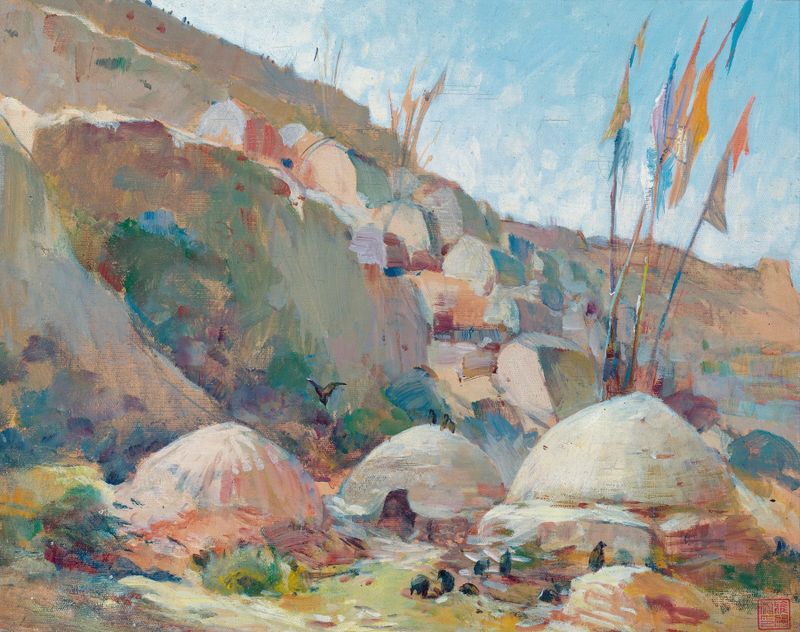
Paysage Chimérique
Alexandre Jacovleff
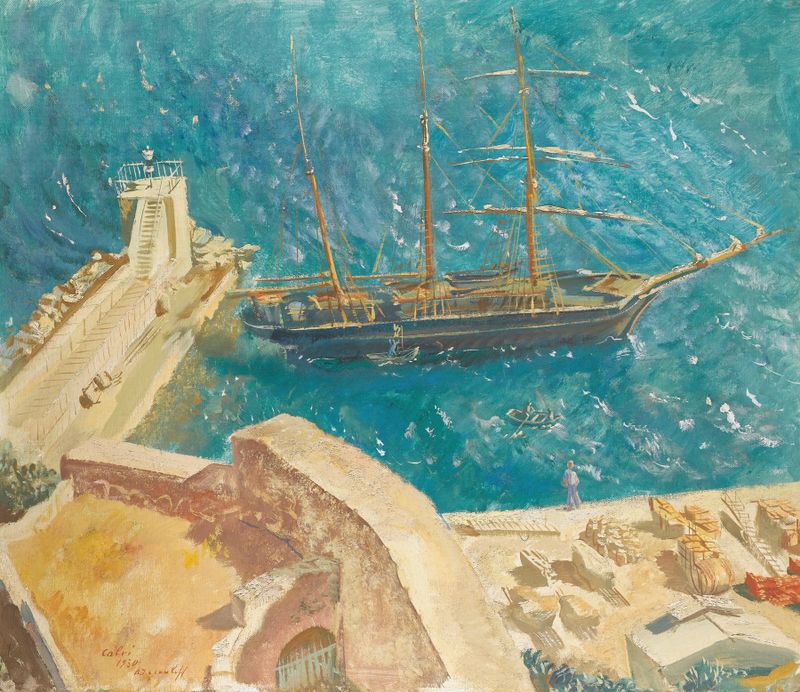
View Of The Port In Calvi
Alexandre Jacovleff
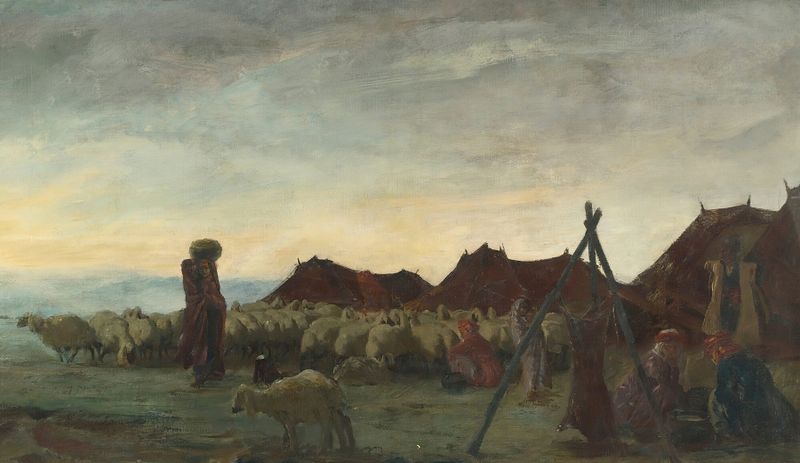
Nomads In The Region Of Meshed
Alexandre Jacovleff
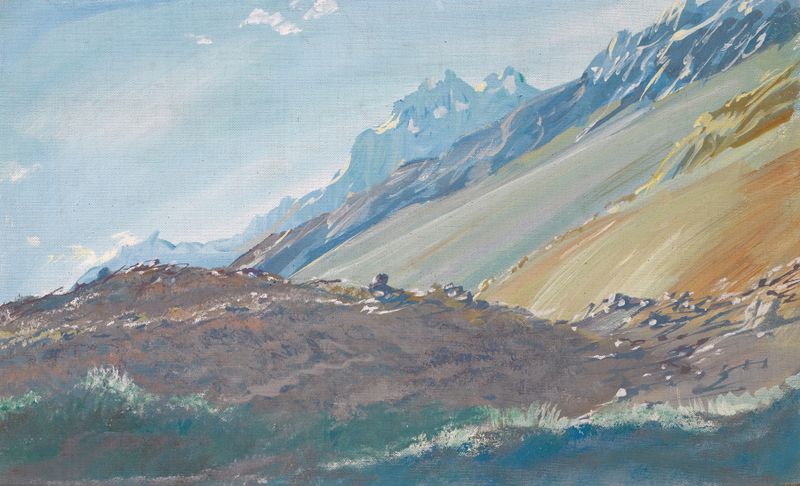
The Foothills Of The Karakoram Mountains
Alexandre Jacovleff
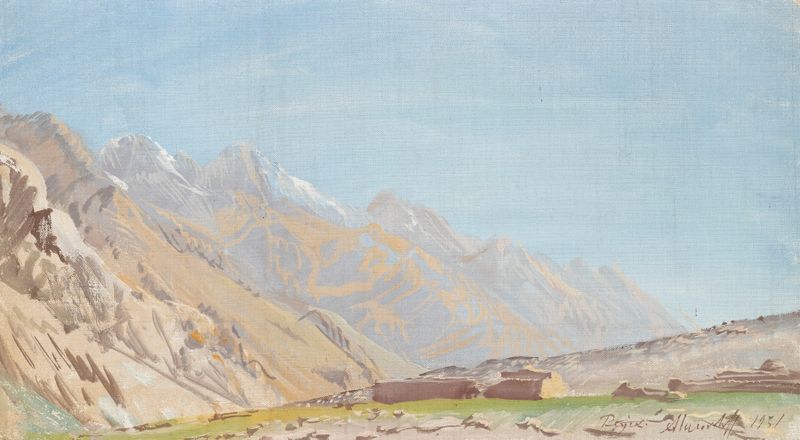
View Of Beyik
Alexandre Jacovleff
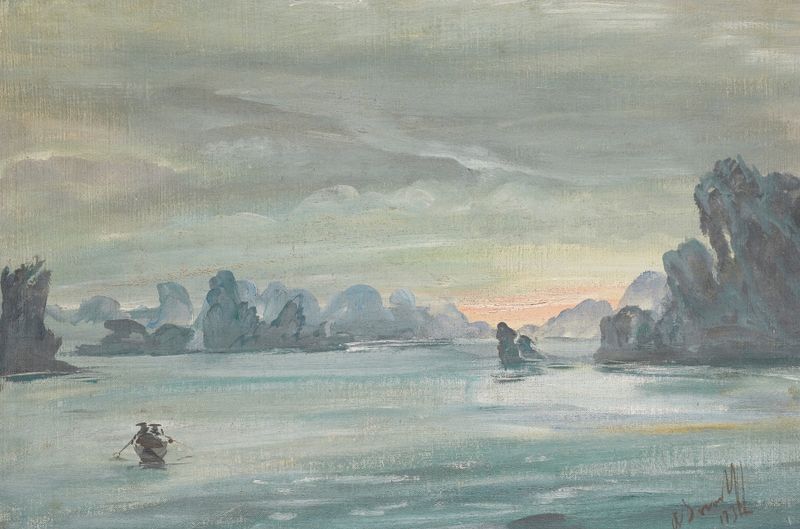
Ha Long Bay, Vietnam
Alexandre Jacovleff
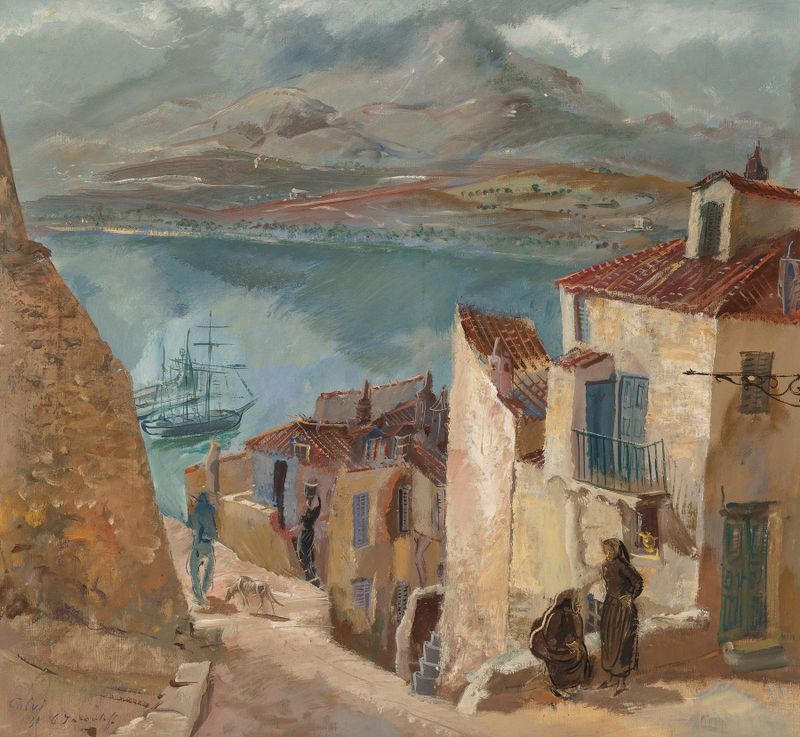
Le port de Calvi
Alexandre Jacovleff
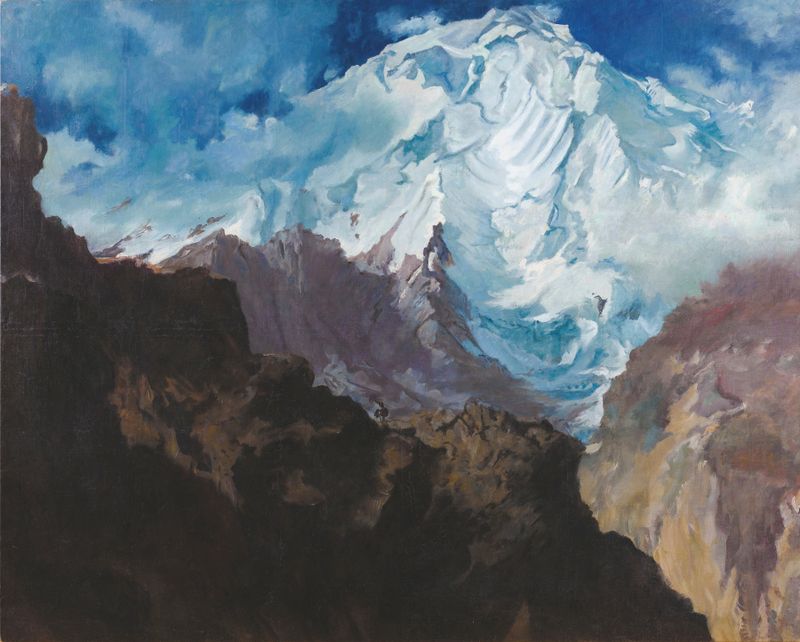
Mount Rakaposhi
Alexandre Jacovleff