In June — History & Facts
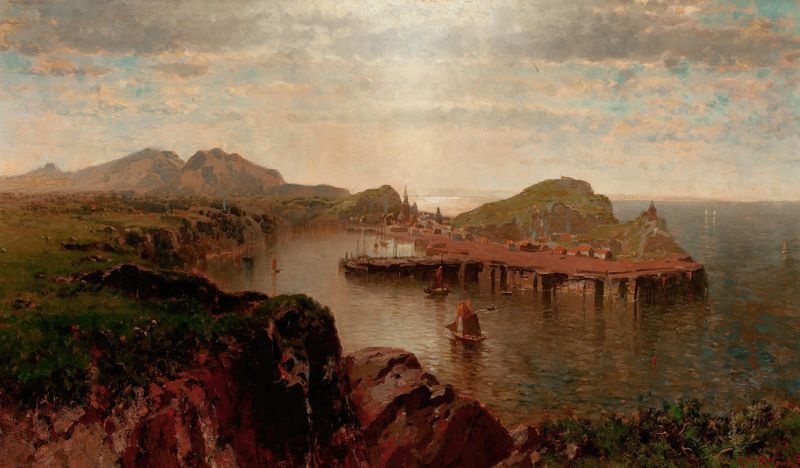
Did the painter know this moment would outlive them? In a world where the ephemeral often overshadows permanence, George Herbert McCord captures a fleeting essence of June, where decay and beauty intertwine. Look to the center of the canvas at the vibrant, lush foliage that spills across the scene. Notice how the dappled light filters through the trees, casting gentle shadows on the ground, inviting your gaze deeper into the rich palette of greens and browns. The brushstrokes are both deliberate and spontaneous, showcasing the artist's masterful command of texture that evokes the tactile sensation of nature.
The balance of color and light creates a serene yet dynamic atmosphere, pulling you into a moment suspended in time. Yet, beneath the idyllic surface lies an undercurrent of decay. The flowers, though vibrant, hint at their inevitable wilting, suggesting the passage of time and the transient nature of beauty. The weathered trunks of the trees whisper tales of resilience, growing even as they bear the marks of age.
This juxtaposition invites contemplation of life’s cycles and the bittersweet acceptance that all things eventually fade, a poignant reminder of mortality amid the landscape's splendor. In 1887, McCord painted this piece during a period of transition in American art, where artists began to embrace plein air techniques, capturing the world directly from nature. Working primarily in the Hudson River School tradition, he sought to reflect the American landscape's beauty and complexity. As industrialization loomed, his work became increasingly significant, serving as both a tribute and a lament for the natural world facing profound change.