In the Café — History & Facts
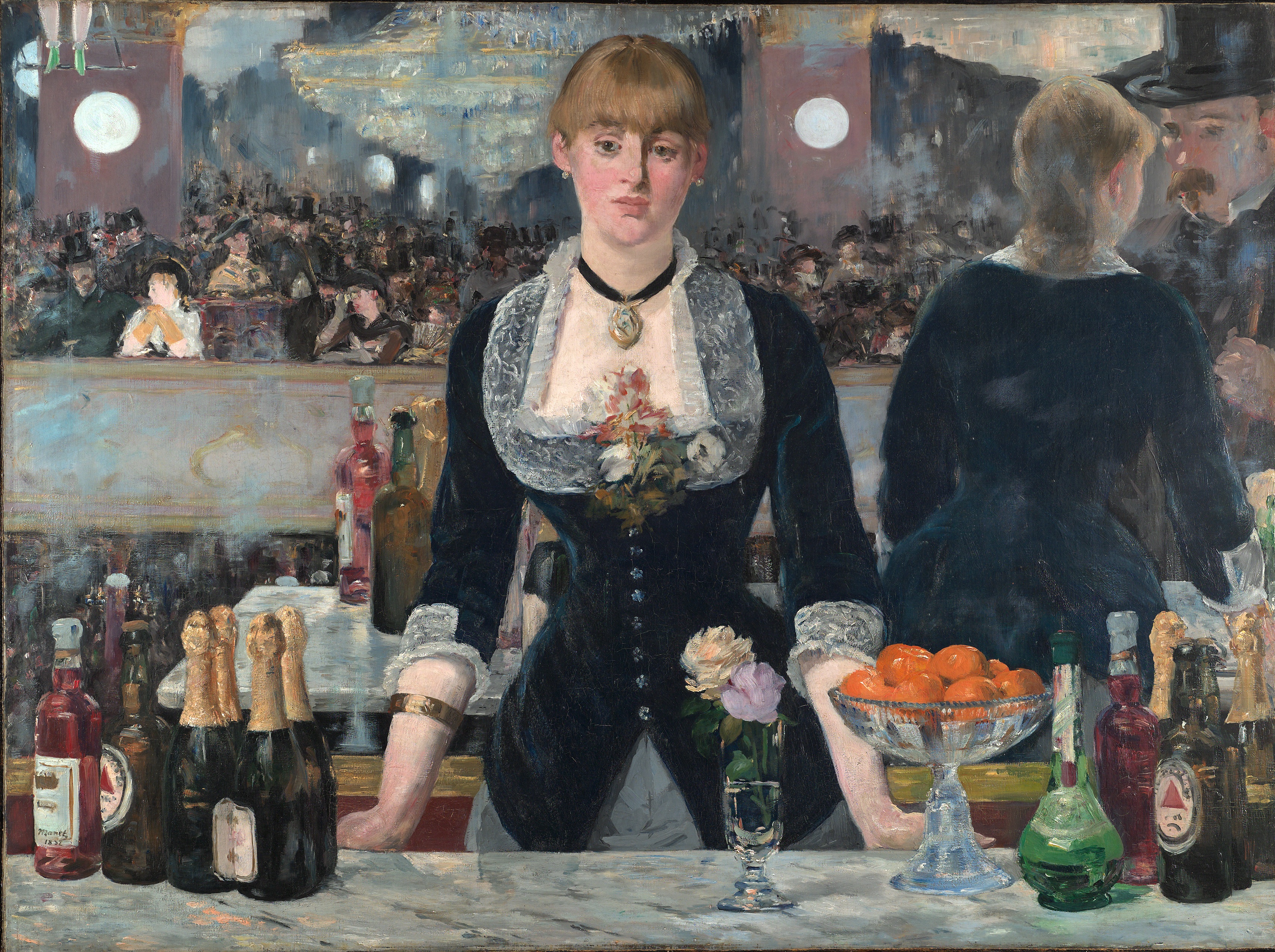
In this quiet moment captured on canvas, we are invited to witness a profound internal dialogue, one that transcends the confines of the café itself. The shimmering reflections dance across the surfaces, beckoning the viewer to delve deeper into the essence of solitude and connection. Look to the left, where a woman sits, absorbed in her thoughts, her figure elegantly framed by the soft hues of her surroundings. Notice how the light filters through the window, casting intricate patterns on the table, illuminating her delicate features while subtly shrouding the café in an aura of intimacy.
The warm palette and gentle brushstrokes create an inviting atmosphere, inviting the viewer to explore the myriad emotions that swirl within this moment. Yet, beneath the surface of calmness, a tension simmers. The contrast between the lively café environment and the woman’s introspective solitude speaks to the human experience of isolation amidst a bustling world. The reflections in the glass hint at fleeting moments of connection—perhaps the ghostly silhouettes of other patrons—implying that while life continues around her, she remains adrift in her own thoughts.
This delicate push and pull between the external and internal worlds beckons contemplation of what it means to truly engage with life. Created between 1882 and 1884, this work emerged during a transformative period for Lungren, reflecting his deep engagement with the Impressionist movement in France. Known for his ability to capture fleeting moments of light and emotion, the artist was influenced by the evolving narrative of modern life. As urban experiences began to redefine social interactions, Lungren's introspection in In the Café reveals both a personal and collective exploration of existence during an era of change.